
Why Visit Palestine? Discover a Land of Faith, Culture, and Warm Hospitality
Introduction
Palestine is a land that captures the imagination of travelers worldwide. Known as the cradle of faith and the setting for countless stories from history and scripture, it is also a place where daily life unfolds with warmth, creativity, and resilience. Visitors often arrive seeking sacred landmarks or heritage tours, but they leave with something deeper — connections with people, meals shared in family homes, and an understanding of a culture that continues to thrive despite challenges.
For those looking for more than just sightseeing, Palestine offers an experience that is immersive and authentic. From the ancient alleys of Jerusalem and Bethlehem to the terraced hills of Battir and the bustling souqs of Nablus, each corner of this land tells a story. To visit Palestine is to experience faith, history, and hospitality all at once.
A Land of Sacred Origins
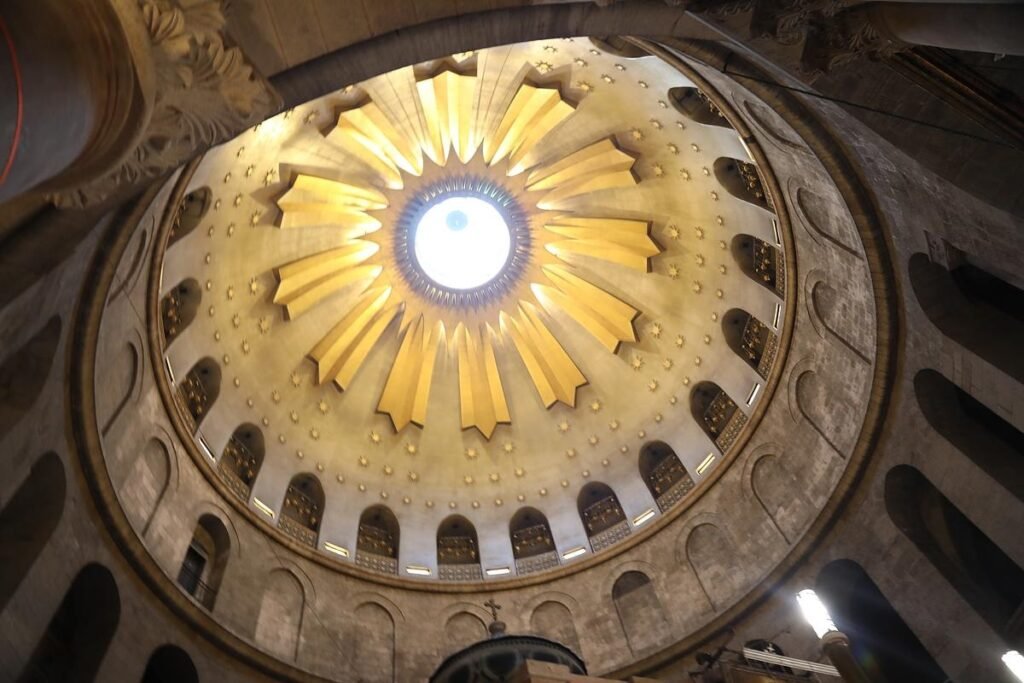
Few places in the world hold the spiritual resonance of Palestine. Bethlehem, birthplace of Jesus, remains a pilgrimage destination for millions, while Jerusalem is home to the Church of the Holy Sepulchre, Al-Aqsa Mosque, and the Western Wall — sacred to three religions. Jericho, often called the world’s oldest city, still bears traces of biblical stories, while Hebron’s Ibrahimi Mosque continues to inspire devotion.
These are not just historic monuments, but living places of prayer. Pilgrims kneel in chapels, call to prayer echoes from minarets, and candles flicker in ancient shrines. To walk through these sites is to feel the weight of centuries and the ongoing faith of communities who keep them alive.
Flavors of the Land
No journey in Palestine is complete without savoring its cuisine. Meals are central to hospitality — tables are filled generously, even for unexpected guests. Dishes like msakhan (chicken with caramelized onions and sumac on bread), maqloubeh (an upside-down rice dish with vegetables and meat), or the world-famous Nablus knafeh reveal the depth of culinary tradition.
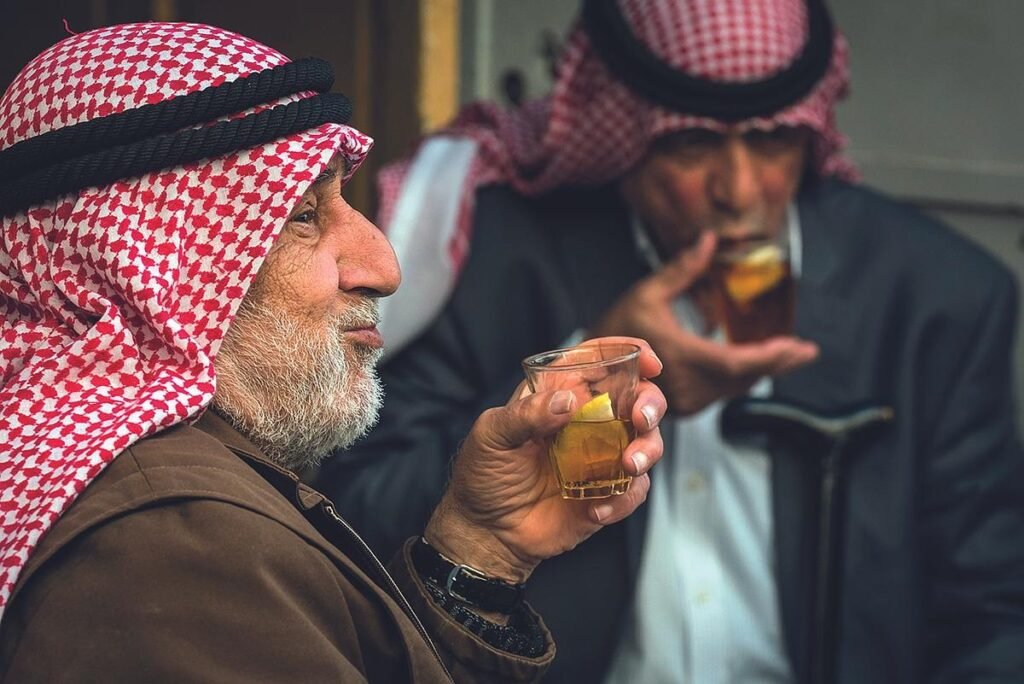
In homes and restaurants alike, visitors experience the care put into preparing food. Bread baked in taboon ovens, za’atar mixed with olive oil, or qahwa (coffee with cardamom) shared after meals are not just flavors, but rituals of connection. Joining a cooking class, wandering a spice market, or sharing tea in a village adds layers of memory to the traveler’s journey.
Landscapes of Beauty and Resilience
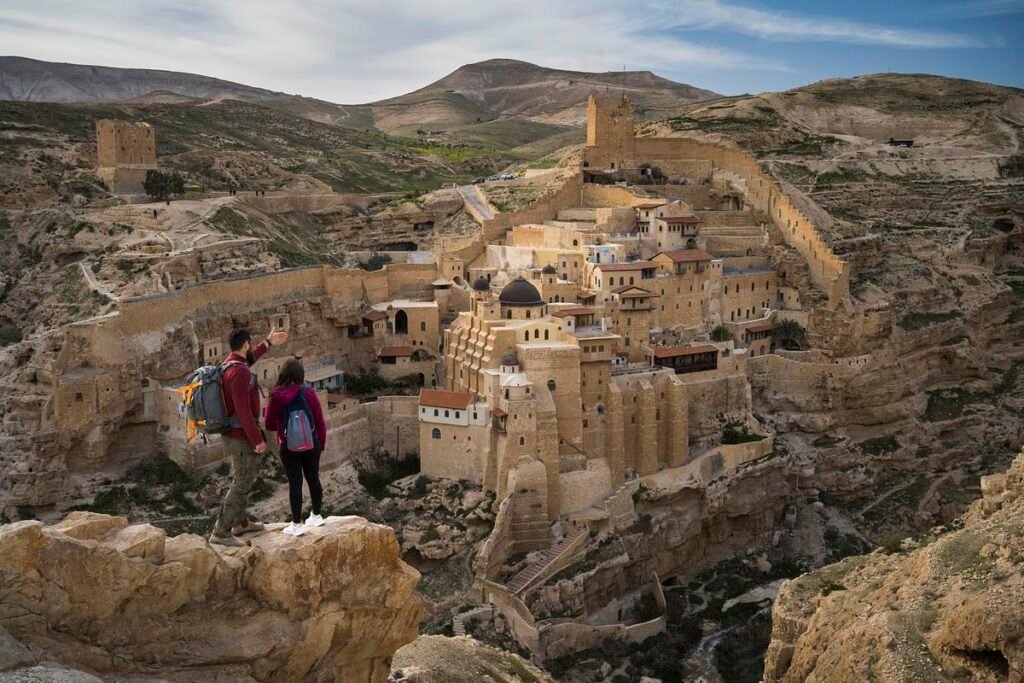
Palestine’s landscapes offer breathtaking variety. In Jericho and the Jordan Valley, palms and deserts coexist, with monasteries clinging to cliffs above dramatic canyons. The terraced hills of Battir, a UNESCO World Heritage Site, showcase centuries of sustainable farming. In the north, Jenin and Nablus are surrounded by fertile valleys and olive groves, while Hebron’s hills are dotted with vineyards and fig trees.
For hikers and nature lovers, trails such as the Palestinian Heritage Trail or Wadi Qelt provide not only scenic beauty but also encounters with shepherds, farmers, and Bedouin communities. The land is not just a backdrop but an active part of Palestinian identity — a source of livelihood, resilience, and pride.

Travel Realities: Safety and Context
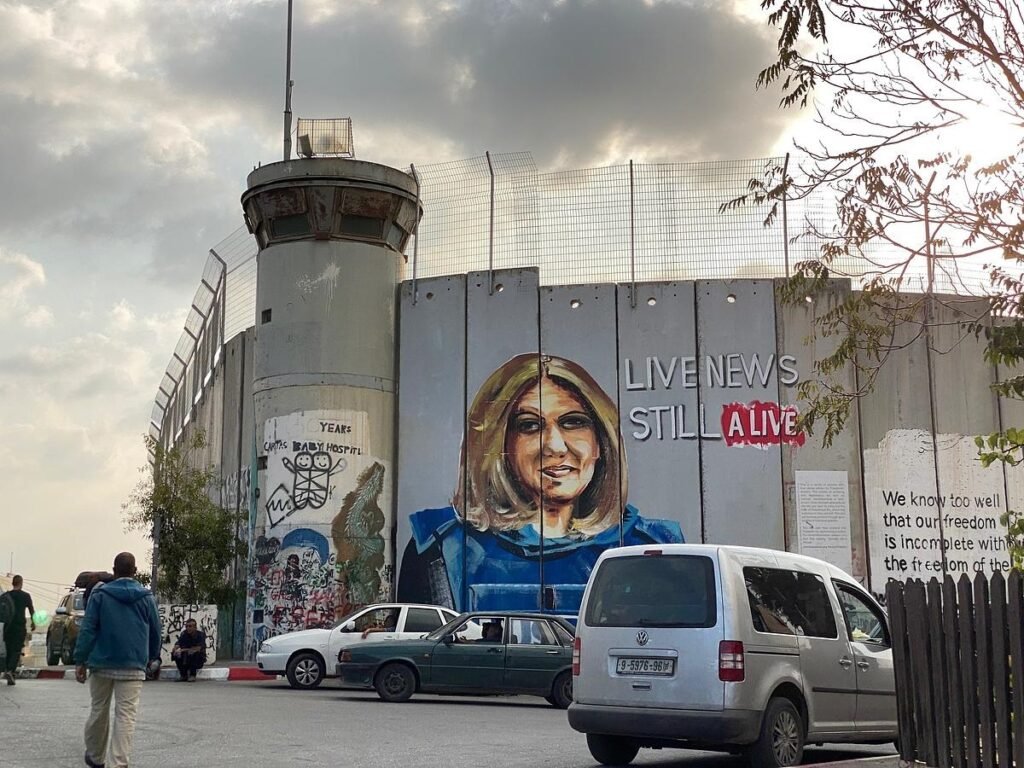
It is impossible to speak honestly about traveling to Palestine without acknowledging the political context. The ongoing occupation, checkpoints, and restricted movement affect daily life here. Travelers may encounter roadblocks, security checks, or delays, particularly when moving between cities.
At the same time, most international visitors report feeling safe during their stay. Palestinians are deeply welcoming and committed to sharing their land and culture with guests. For many travelers, experiencing Palestine firsthand offers a new perspective — one that goes beyond headlines and highlights the resilience, hospitality, and dignity of its people. With the right preparation, respect, and openness, travel to Palestine is both enriching and rewarding.

More Than a Visit — A Connection
Ultimately, visiting Palestine is about more than seeing historic landmarks. It is about connection — sitting in a family courtyard for dinner, listening to stories of the past and hopes for the future, or sharing a laugh with children in a village street. These encounters make Palestine unforgettable, transforming a trip into an experience of solidarity and understanding.
Conclusion
Palestine is a land where faith, culture, cuisine, and community come together. Travelers who come with open hearts leave with lasting memories, whether from walking the streets of Jerusalem, tasting fresh olive oil in a village, or joining in festivals of music and dance.
To visit Palestine is to witness not just history, but the living spirit of its people — a spirit that welcomes you with warmth, resilience, and pride.
