When to Visit
Each season offers something unique — from spring flowers and autumn olive harvests to Christmas celebrations and summer festivals. Learn the best times to explore Palestine.
Overview
Palestine can be visited year-round, but the best time depends on your interests. If you love nature, spring and autumn are ideal for hiking and outdoor experiences. If you are drawn to faith and culture, religious festivals like Christmas, Easter, and Ramadan offer unforgettable celebrations.
At the same time, it helps to understand tourism patterns. High seasons around Christmas and Easter bring large numbers of pilgrims, while summer attracts festivals and diaspora visitors. Low seasons are quieter and may offer better rates for accommodation and tours.
Spring (March–May)
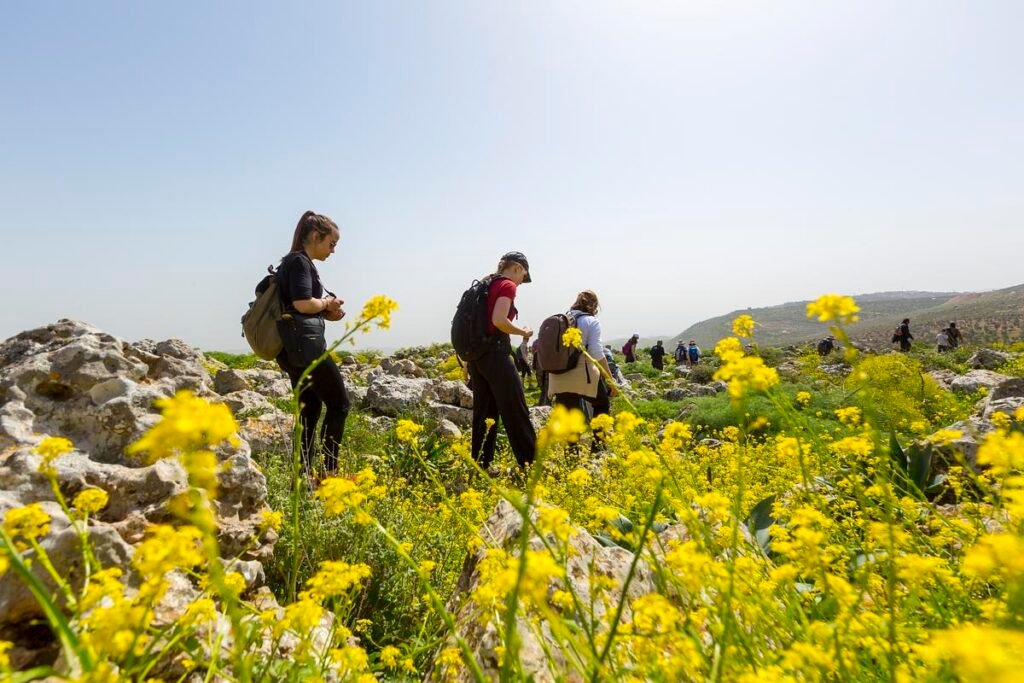
Spring is one of the most beautiful and popular seasons to visit Palestine. The weather is mild, and hills and valleys are covered in green fields and wildflowers. During this time, outdoor activities such as hiking, village walks, and market visits are especially enjoyable. Easter celebrations also draw thousands of pilgrims to Jerusalem and Bethlehem, filling the season with music, parades, and prayer. In addition, cultural festivals and community events create opportunities to connect with local traditions. Spring combines natural beauty with vibrant religious and cultural life.
Summer (June–August)
Summer brings long, hot days, especially in Jericho and the Jordan Valley. However, evenings are cooler in the hill towns of Bethlehem, Ramallah, and Nablus, where much of daily life moves outdoors. This season is lively with weddings, music festivals, and cultural events that often stretch late into the night. Diaspora Palestinians frequently return home in summer, giving towns a festive and family-centered atmosphere. Although it is a lower tourism season, the warm energy of communities makes visits rewarding. Summer is perfect for travelers who enjoy vibrant local life.
Autumn (September–November)
Autumn is a season of pleasant weather, colorful landscapes, and rich traditions. Most importantly, it marks the olive harvest, one of Palestine’s most cherished cultural practices. Visitors are often invited to join families in harvesting olives, pressing oil, and sharing meals around the table. Hiking and walking tours are also ideal in autumn, with cooler temperatures and clear skies. Cultural festivals and village celebrations continue throughout the season, giving travelers unique opportunities for connection. Overall, autumn offers a perfect mix of comfort, tradition, and outdoor activity.
Winter (December–February)
Winter is cool and rainy, though snow is rare and usually short-lived. Nevertheless, it is one of the most memorable times to visit, especially in Bethlehem during Christmas. Pilgrims from around the world gather for midnight mass at the Church of the Nativity, along with parades and concerts across the city. New Year celebrations add to the festive atmosphere, while Ramadan, when it falls in winter, fills evenings with light, food, and community spirit. Although weather can be chilly, the joy of festivals and faith makes winter an inspiring season to visit.
Religious Festivals & Tourism Seasonality
- Christmas (December): The most popular time to visit Bethlehem. Festivities include midnight mass at the Church of the Nativity, parades, and community events.
- Easter (March/April): Pilgrims flock to Jerusalem and Bethlehem for Holy Week, the Via Dolorosa procession, and Easter Sunday celebrations.
- Ramadan (dates vary): A spiritual month for Muslims marked by fasting, prayer, and nightly iftar meals. Evenings in cities like Jerusalem and Nablus are lively with food and markets.
- High Season: Christmas, Easter, and spring. Expect crowds and book accommodations in advance.
- Shoulder Seasons: Autumn and late winter. Pleasant weather and fewer visitors make travel more relaxed.
- Low Season: Summer (except for diaspora travel). Good for budget travelers, though hot in some areas.