Flora, Fauna & Wildlife in Palestine
From desert cliffs to green valleys, Palestine’s landscapes host vibrant wildlife, wildflowers, and birds along one of the world’s great migration routes.
Palestine is a land of remarkable biodiversity, shaped by its unique geography where the Mediterranean climate meets the deserts of Arabia and the Jordan Valley. Despite its small size, the country hosts a wide variety of ecosystems — from fertile coastal plains and terraced hills to arid deserts and wetlands along the Jordan River. This natural diversity has supported life and culture for millennia, giving Palestine its reputation as a crossroads not only of civilizations but also of wildlife.
Palestine is home to over 2,600 species of plants, including herbs like sage, thyme, and mint that are staples in local cuisine, as well as wildflowers that paint the hillsides in spring. Its animal life is equally varied, with mammals such as gazelles, hyraxes, and foxes roaming the hills, and reptiles adapted to desert life. But perhaps most remarkable is its birdlife: Palestine sits on the Great Rift Valley migration corridor, one of the world’s most important flyways, welcoming millions of migratory birds each spring and autumn.
For visitors, discovering Palestine’s flora and fauna is not just about nature — it’s about understanding how people and the land remain deeply interconnected. Olive groves, medicinal herbs, and migratory storks all tell stories of resilience, adaptation, and continuity.
Jericho & the Jordan Valley
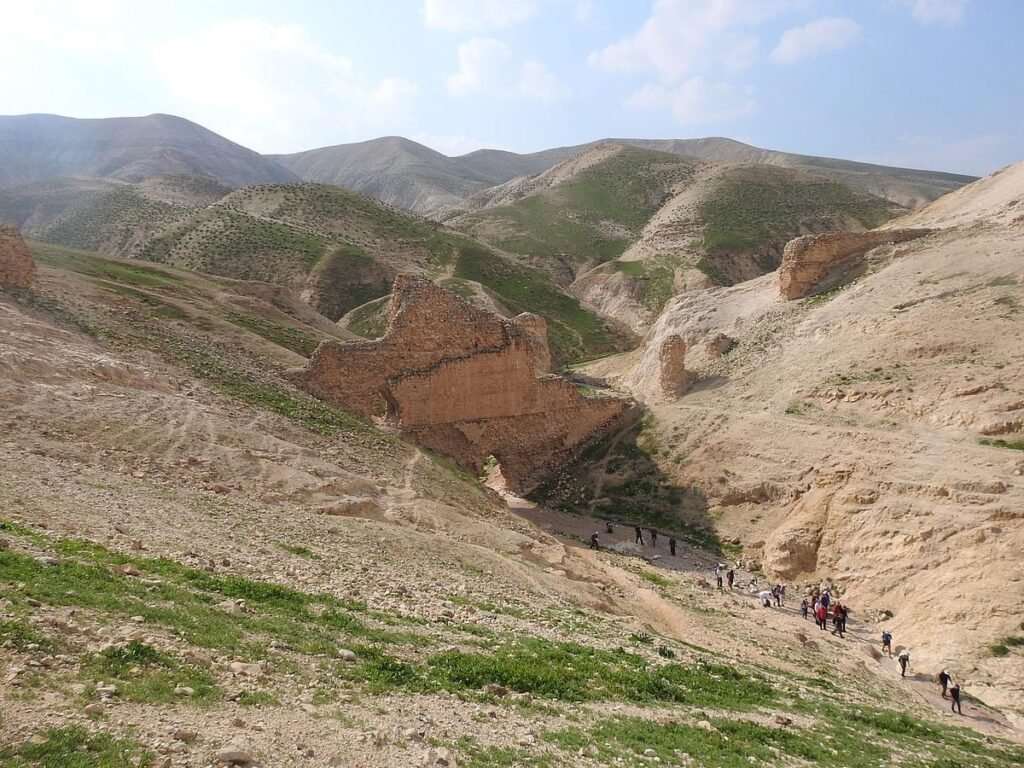
The Jericho region and Jordan Valley are among the most ecologically distinctive areas of Palestine. With its warm climate and oasis springs, Jericho is famous for lush palm groves, citrus orchards, and banana plantations. Wild plants such as desert acacia and tamarisk thrive in drier areas, while date palms dominate the cultivated landscape.
The Jordan Valley is also a critical stop for migratory birds. Storks, pelicans, and raptors soar overhead during seasonal migrations, while smaller species rest in the wetlands and groves. Birdwatchers may also spot bee-eaters, hoopoes, and warblers throughout the year.
Animal life includes desert foxes, rock hyraxes in the nearby cliffs, and reptiles adapted to arid conditions. The ibex, a wild mountain goat, is occasionally seen in the surrounding Judean Desert.
Jerusalem Hills
The rolling hills around Jerusalem are rich in Mediterranean vegetation, with oak, pine, and carob trees forming natural forests alongside centuries-old olive groves. In spring, the hills burst into color with wildflowers such as anemones, cyclamen, and poppies, making it a favorite season for hikers and photographers. Wild herbs like sage, thyme, and za’atar grow abundantly, linking the natural landscape with Palestinian cuisine and daily life.
The fauna of this region includes wild boar, foxes, hyraxes, and a variety of reptiles. Birdlife is equally striking, with kestrels, owls, and hoopoes frequently seen. The Jerusalem hills are also part of the migration corridor, with flocks of storks and raptors passing overhead.
For visitors, the combination of natural beauty, walking trails, and cultural heritage sites makes the Jerusalem hills an ideal place to experience Palestine’s living landscape, where nature and tradition blend seamlessly.
Hebron Highlands
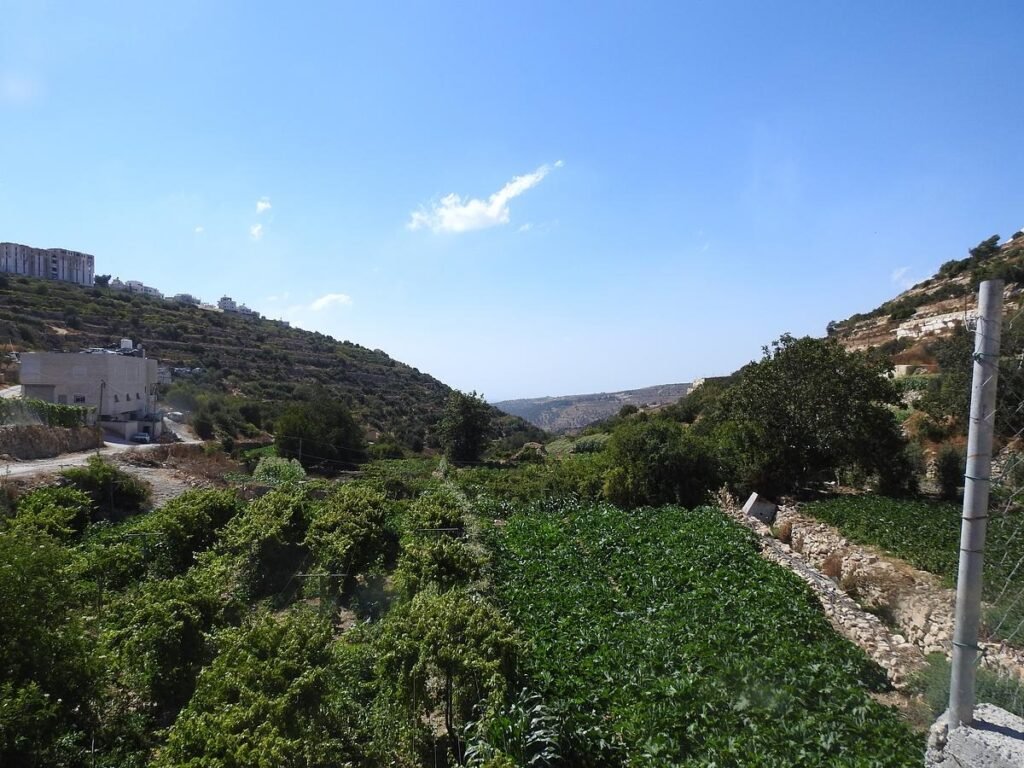
The Hebron highlands are known for their fertile soil and cooler climate, making them ideal for vineyards, olive groves, and orchards. Grapes from this region are famous for producing Palestinian wine, while olives form the backbone of local agriculture. Fields of wheat and barley highlight the area’s role as a historic breadbasket.
Wildlife includes foxes, badgers, hyraxes, and hedgehogs, while the higher slopes host migratory birds that stop during their seasonal journeys. The hills are also home to a variety of butterflies and insects that thrive among the wildflowers.
Travelers can explore not only the agricultural wealth but also the olive harvest traditions and seasonal festivals that highlight the connection between people and the land. The Hebron highlands illustrate how Palestine’s ecology is deeply tied to its cultural and economic life.
Bethlehem & Southern Hills
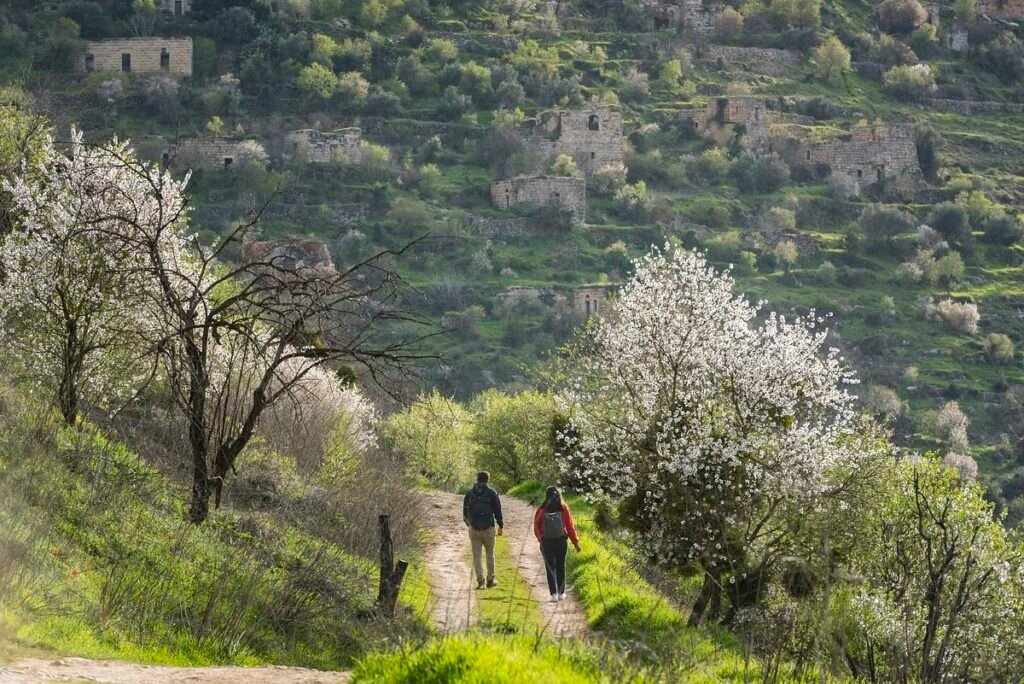
The hills south of Jerusalem and Bethlehem are a striking example of traditional terraced agriculture, where stone-walled fields have been cultivated for thousands of years. The village of Battir, a UNESCO World Heritage Site, is especially famous for its ancient irrigation system and green terraces that showcase a sustainable balance between people and nature.
These landscapes are alive with olive trees, grapevines, almonds, and wild herbs like sage and thyme. In spring, the hillsides are covered with colorful wildflowers — poppies, anemones, and cyclamen. Small mammals such as foxes and hyraxes are common, while migratory birds often rest in the valleys during their seasonal flights.
Visitors can hike along trails that weave through farmland and valleys, experiencing not only natural beauty but also the living agricultural heritage of Palestinian communities who have worked this land for generations.
Northern West Bank (Nablus & Jenin Hills)
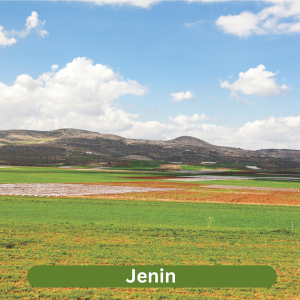
The northern hills of Nablus and Jenin are among the most fertile regions of Palestine, where groves of olives, figs, almonds, and pomegranates thrive. Rolling valleys are planted with wheat and barley, reflecting centuries of farming tradition. In spring, the fields burst with wildflowers, attracting pollinators and creating vibrant landscapes.
Wildlife here includes jackals, foxes, and hedgehogs, as well as a variety of bird species. Seasonal wetlands and streams near Jenin provide stopover points for migratory waterbirds, including herons, storks, and ducks. Smaller birds like warblers and finches are also abundant in orchards and groves.
For travelers, the northern hills offer a combination of rural beauty and agricultural heritage, best experienced through farm visits, nature walks, or cultural festivals that celebrate the harvest seasons.
Gaza Strip (Coastal & Wetland Ecosystems)
Despite its challenges, the Gaza Strip has unique coastal and wetland ecosystems that are vital to biodiversity. Sand dunes host hardy plants like sea daffodils and salt-tolerant shrubs, while inland wetlands attract migratory waterbirds such as herons, egrets, and flamingos during seasonal movements. The coastline is also an important resting place for seabirds along the Eastern Mediterranean flyway.
Agricultural land in Gaza supports groves of citrus, olives, and vegetables, reflecting the resilience of local farmers. These cultivated areas often overlap with natural habitats, creating spaces where wildlife and people coexist.
Visitors will find fewer eco-tourism opportunities here at present, but Gaza’s natural heritage remains an essential part of Palestine’s ecological story — a reminder that even in difficult times, nature persists, and communities remain deeply connected to their land.
Search Sites and Attractions in Palestine
Search by type of attraction and location