
Nature & Landscapes – Bethlehem Governorate
From terraced hills to desert valleys, Bethlehem’s landscapes reveal the beauty of Palestine’s land and heritage.
The Bethlehem Governorate is blessed with landscapes that combine natural beauty, agricultural heritage, and deep cultural meaning. From fertile valleys nourished by ancient springs to desert canyons carved into golden hills, the land tells stories of survival, devotion, and harmony with nature. For centuries, olive groves, vineyards, and terraced fields have sustained local communities, while monasteries and villages grew around these life-giving resources. Today, visitors can walk these same paths, discover hidden valleys, and witness the resilience of a land where nature and culture remain inseparable.

Battir Terraces – A Living UNESCO Landscape
West of Bethlehem lies Battir, a village whose terraced hills and spring-fed irrigation system earned UNESCO World Heritage recognition in 2014. The stone terraces, some dating back to Roman times, form a remarkable agricultural landscape where olive trees, grapevines, and vegetables are still cultivated by local families. Visiting Battir offers more than scenic views — it’s a chance to see a living heritage in action.
The Roman-era channels still deliver water to the fields, and the traditions of cooperative farming are passed down through generations. Walking the trails around Battir reveals both breathtaking panoramas and the intimate connection between people and land. Many visitors pair their visit with a stop at nearby Solomon’s Pools or combine it with the Battir Terraces Trail hike for a deeper immersion into the village’s history and environment.
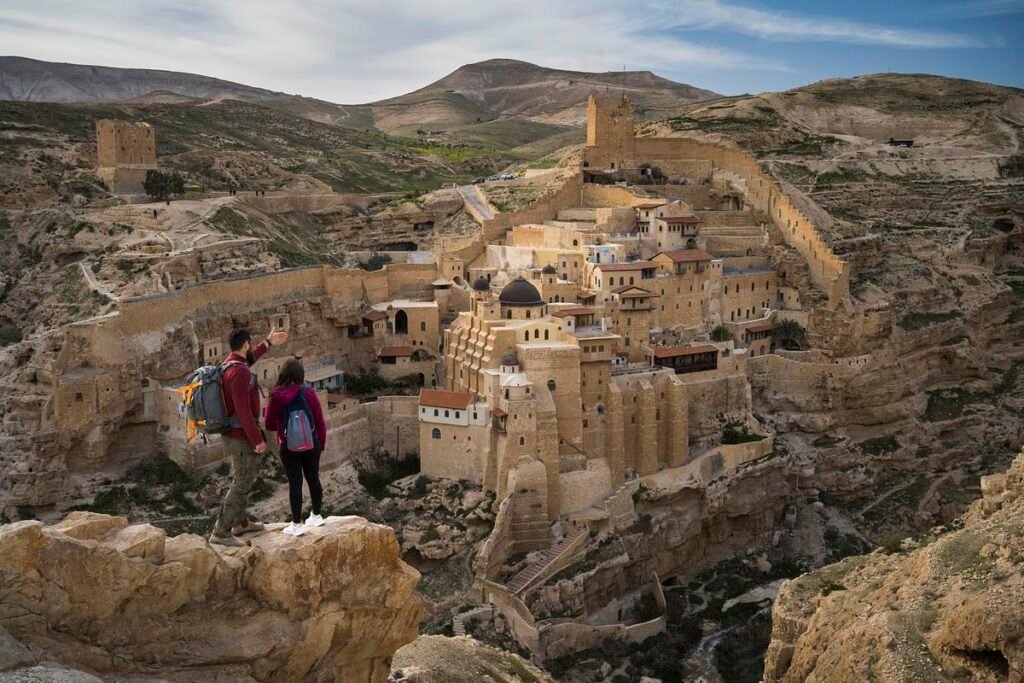
Mar Saba Canyon – Desert Majesty and Monastic Life
East of Bethlehem, the desert unfolds in dramatic cliffs and valleys, home to the legendary Mar Saba Monastery. The canyon surrounding the monastery is one of the most striking landscapes in Palestine — a place where solitude, silence, and rugged beauty converge. The golden hills drop into steep gorges carved by centuries of wind and water, offering vistas that seem almost timeless.
Mar Saba itself, founded in the 5th century, clings to the cliffside as if part of the rock. While entry to the monastery is restricted to men, all visitors can enjoy breathtaking views from the surrounding trails. The area is a popular hiking route, with paths leading from Bethlehem or nearby villages into the desert. Whether seen at sunrise, sunset, or under the midday sun, Mar Saba Canyon embodies the stark and spiritual power of Palestine’s wilderness.
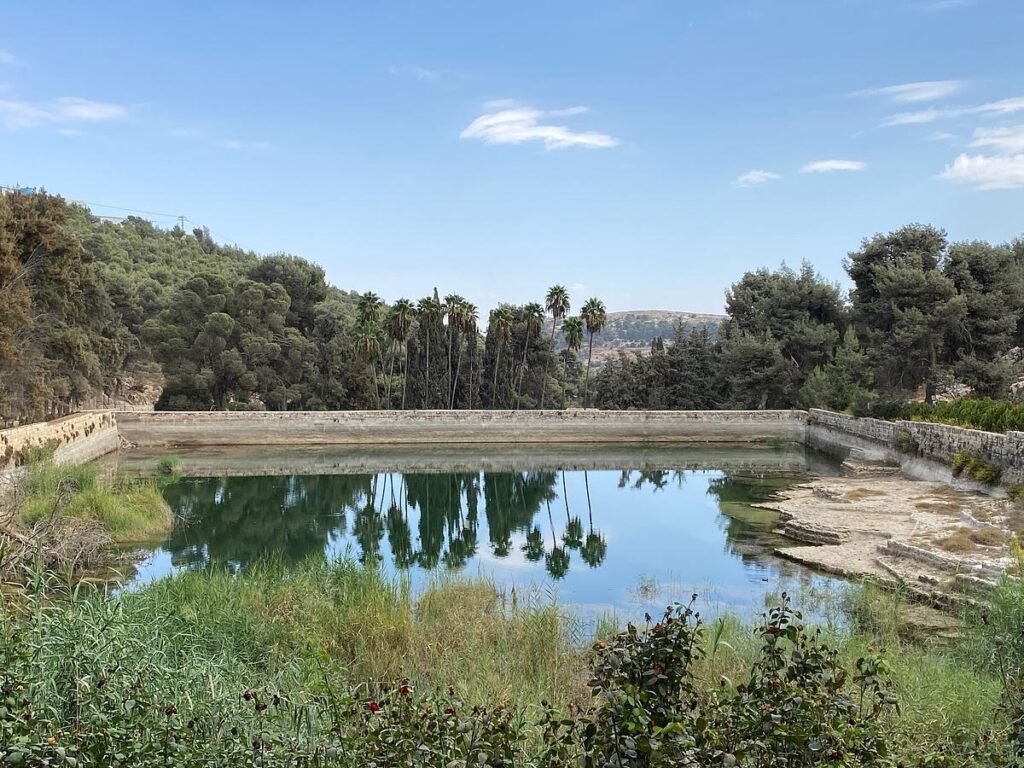
Solomon’s Pools & Pine Forests – Water and Wilderness
Just south of Bethlehem, near the village of Artas, lie the three massive reservoirs known as Solomon’s Pools. Built during Roman and Ottoman times, these stone structures once supplied water to Jerusalem through a sophisticated aqueduct system. Surrounded by pine forests and rolling hills, the site blends ancient engineering with natural beauty.Visitors can walk the paths around the pools, enjoy the fresh air of the woodlands, and imagine the vital role this water system played for centuries.
The pools are also linked to local legends about King Solomon, adding a layer of myth to their historic importance. Today, the area serves as both a peaceful retreat and a window into how communities have long lived in harmony with their environment. Many travelers combine the site with visits to Artas Valley or the Battir terraces, making it part of a wider journey through Bethlehem’s landscapes.

Artas Valley – The Garden of Bethlehem
Known as the “enclosed garden” of Bethlehem, Artas Valley is one of the most fertile and picturesque landscapes in the region. Fed by natural springs, its orchards, vineyards, and vegetable plots have supported village life for centuries. The valley is also home to the Convent of Hortus Conclusus, whose name recalls biblical references to gardens as places of purity and devotion.
Visitors to Artas can enjoy peaceful walks among orchards, explore the convent’s gardens, or take part in the annual Artas Lettuce Festival, which celebrates both harvest and community. The valley’s combination of lush greenery and deep-rooted traditions makes it a favorite stop for travelers seeking to experience Palestinian rural life. Artas is also a natural base for exploring nearby attractions like Solomon’s Pools and the Battir terraces, making it a gateway into Bethlehem’s agricultural heritage.
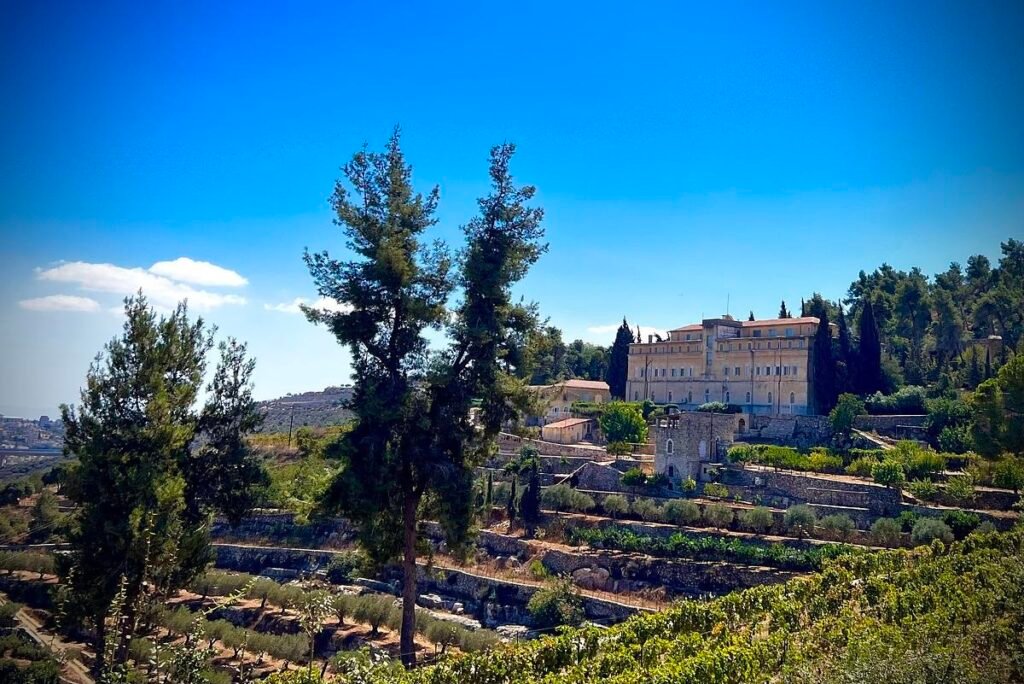
Olive Groves & Vineyards of Beit Jala – Land of Olives and Wine
Beit Jala’s rolling hills are covered with ancient olive trees and family-owned vineyards that have shaped the town’s identity for generations. Olive oil production remains central to local life, with annual harvests bringing families together in a tradition that connects past and present. Alongside olives, Beit Jala is also known for its winemaking, with monasteries and small producers crafting wines that reflect the region’s unique character.
Visitors can walk through the groves, join in the olive harvest during autumn, or taste locally produced wines that carry the flavor of the Bethlehem hills. These landscapes are not only beautiful but also living symbols of resilience, sustaining communities and traditions over centuries. For travelers, Beit Jala’s olive groves and vineyards offer a chance to experience the agricultural heartbeat of Palestine while enjoying the hospitality of its people.

Shepherds’ Fields – Pastoral Landscapes of Beit Sahour
East of Bethlehem, the rolling hills of Beit Sahour are traditionally identified as the fields where angels announced the birth of Jesus to shepherds. Today, the open landscapes remain dotted with olive trees, caves, and small chapels that commemorate this sacred story. The fields are both a spiritual site and a pastoral setting that reflect the rhythms of rural Palestinian life.
Visitors can walk the gentle hills, explore archaeological remains, and visit churches maintained by different Christian communities. Local guides often share both biblical traditions and stories of modern life in Beit Sahour, weaving together faith and culture. Whether viewed as a place of pilgrimage or a pastoral landscape, the Shepherds’ Fields offer peace, reflection, and a direct connection to the land that has shaped both history and daily life in Palestine.
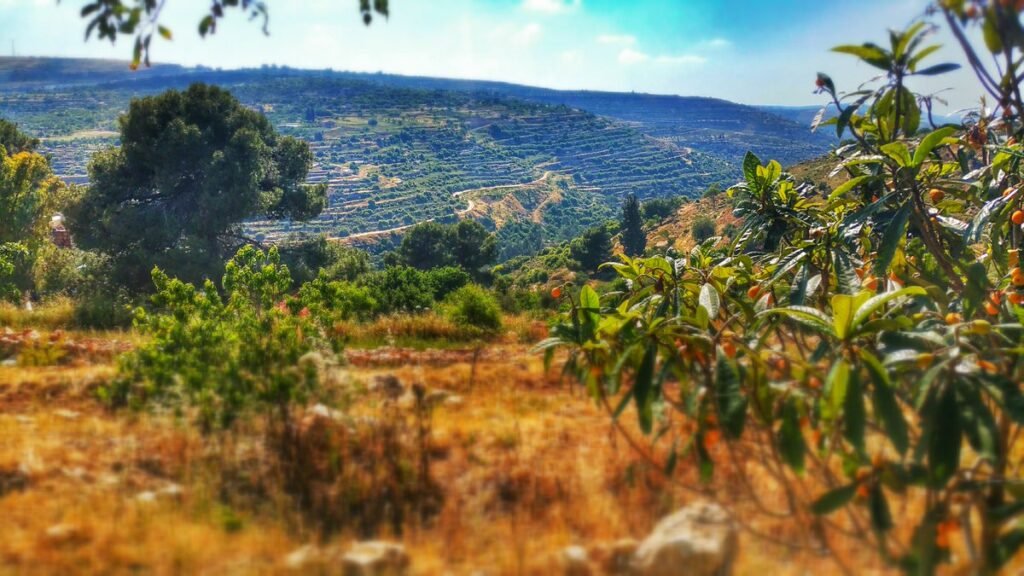
Al-Makhrour Valley – A Hidden Green Corridor
Stretching between Beit Jala and Battir, Al-Makhrour Valley is a lush green corridor that combines natural beauty with centuries of agricultural tradition. Its terraced hillsides, olive groves, and fruit orchards are sustained by an ancient irrigation system similar to Battir’s, making it part of the same UNESCO World Heritage designation.
Visitors can hike through the valley on trails that connect Beit Jala and Battir, encountering farmers tending their land and shepherds guiding their flocks. The area is also rich in biodiversity, with native plants and birdlife thriving in the peaceful landscape. For travelers seeking both tranquility and cultural depth, Al-Makhrour offers a chance to experience Palestine’s living heritage in one of its most beautiful valleys.
Bethlehem Hiking Trails – Paths Through History and Nature
Bethlehem’s landscapes are best experienced on foot, with trails that connect villages, valleys, and sacred sites. Walks through Battir’s UNESCO terraces, Al-Makhrour Valley, or the path toward Mar Saba Monastery reveal both natural beauty and centuries of living heritage. Local guides enrich the journey with stories of farming, faith, and community life tied to the land.
These hikes are suitable for different levels of walkers, from gentle village strolls to more challenging desert treks. For many visitors, hiking in Bethlehem offers not only fresh air and scenic views but also a direct way to connect with the stories and traditions of Palestine.
