Introduction
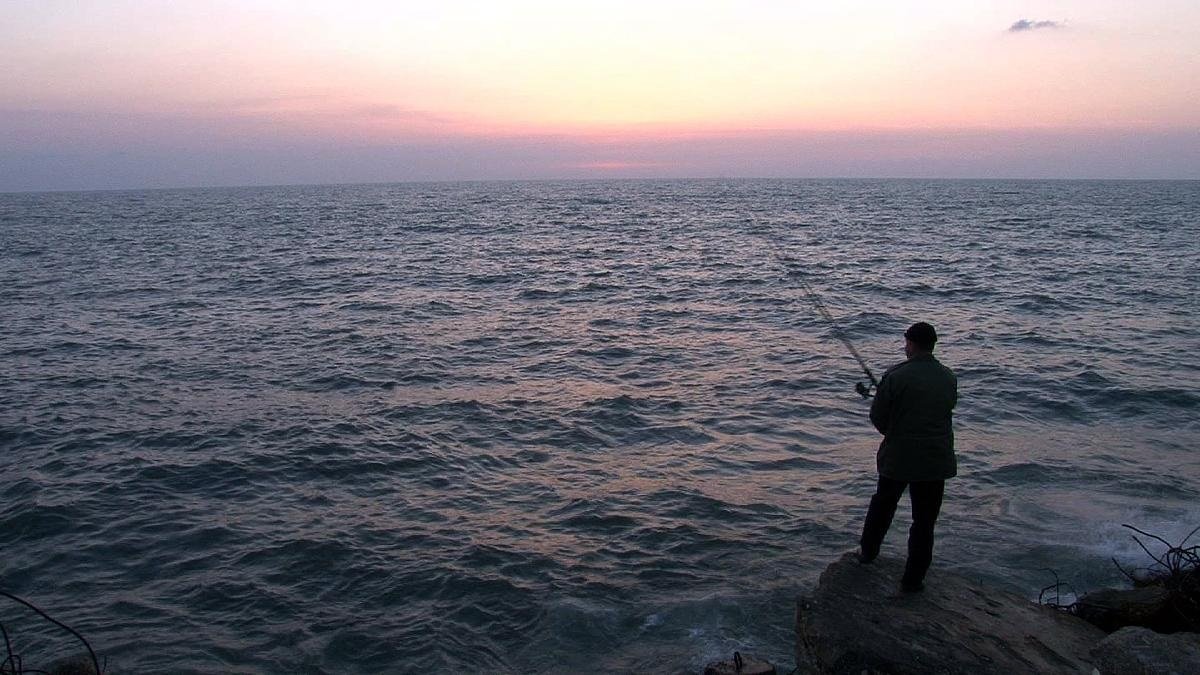
Gaza lies along the Mediterranean coast and has been a crossroads of civilizations for millennia. From the ancient Philistines and Canaanites to the Romans, Byzantines, Mamluks, and Ottomans, Gaza has always been part of the cultural and historical heart of Palestine. Its strategic port once connected the region to Egypt, Syria, and the wider Mediterranean, while its fertile lands and coastline supported thriving communities.
For centuries, Gaza was known not only for its heritage but also for its warmth and hospitality. Its streets were alive with spice markets, artisans, fishermen, and storytellers. The city’s landmarks — mosques, churches, and palaces — stood as witnesses to its layered past. Gaza was also a place of poetry, music, and education, producing generations of artists and intellectuals who enriched Palestinian identity.
Gaza Today
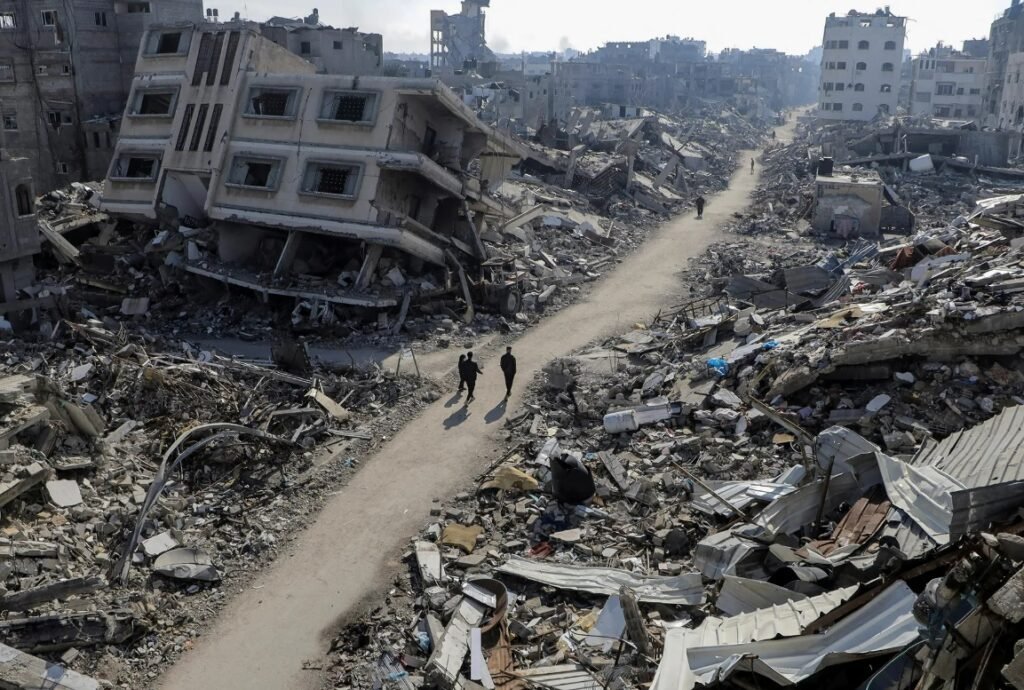
Today, Gaza has been devastated by war, with much of its historic fabric, neighborhoods, and infrastructure reduced to rubble. Landmarks that once told the story of centuries — from the Great Omari Mosque to Qasr al-Basha and the lively old markets — have suffered severe damage or destruction. Families who once welcomed visitors to their homes and beaches now struggle daily with loss, displacement, and uncertainty. Yet Gaza’s people remain a powerful symbol of endurance. Artists continue to paint, poets continue to write, and teachers continue to inspire, even in the harshest conditions. Gaza’s cultural identity is carried forward in music, literature, cuisine, and memory, both inside the Strip and in its global diaspora.
Though inaccessible today, Gaza is not erased. Its name carries dignity and unbroken faith in a better tomorrow. One day, Gaza will be rebuilt — its streets alive again with the voices of children, its markets filled with the colors of daily life, and its heritage restored as part of the wider Palestinian story. Until then, Gaza stands as a reminder of resilience, hope, and the unshakable strength of its people.

Looking Ahead
The future of Gaza must be one of rebuilding, dignity, and hope. Though its historic sites and neighborhoods have been scarred by war, the spirit of the city and its people endures. One day, its streets, markets, and cultural landmarks may rise again, welcoming visitors to discover not only its long history but also the strength and creativity of those who call it home. The laughter of children, the call of merchants in the souq, and the songs of festivals will return to echo through its coastal air.
The heritage of Gaza belongs not only to Palestine, but to all humanity, for it represents the story of survival against adversity, the blending of civilizations, and the universal longing for peace. Preserving Gaza’s memory today is the first step toward ensuring its renewal tomorrow. When rebuilding begins, it will not only restore stones and buildings but also revive traditions, crafts, and cultural life that connect past generations to the future. Gaza’s resilience offers a vision of hope: that from destruction can come renewal, and that one day this city will again shine as a beacon of heritage and human dignity on the Mediterranean coast.
A Message to the People of Gaza
To the people of Gaza: your strength, creativity, and endurance are an inspiration to all. Though your city has endured immense loss, your spirit continues to shine through poetry, art, and memory.
Gaza remains an inseparable part of Palestine’s story, and one day its beauty and heritage will again be celebrated by the world. Until then, we honor your resilience and stand in solidarity with your hope for freedom, peace, and a future rebuilt.
Highlights of Gaza (Historic & Cultural Legacy)
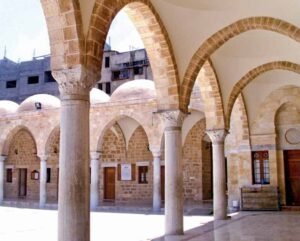
- Great Omari Mosque – One of the oldest and most significant mosques in Palestine, originally a Byzantine church before being transformed in the 7th century.
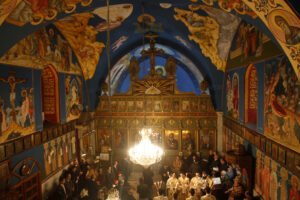
- Saint Porphyrius Church – A Byzantine-era church named after the 5th-century bishop of Gaza, and one of the oldest active churches in the world.
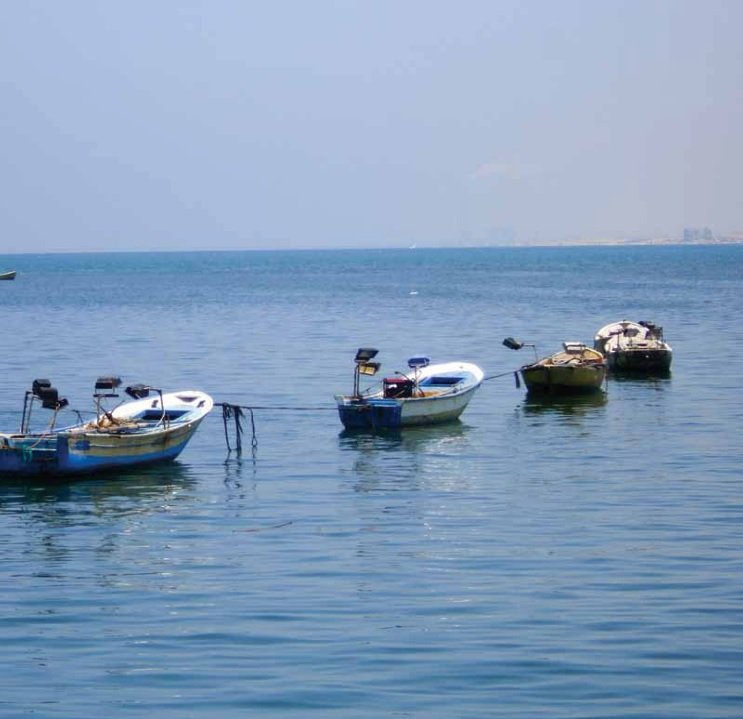
- Gaza Port – Once a vital hub of Mediterranean trade, connecting Gaza to Egypt, Syria, and beyond.
- Al-Sayed Hashem Mosque – A historic mosque believed to house the tomb of Hashem ibn Abd Manaf, the great-grandfather of the Prophet Muhammad.
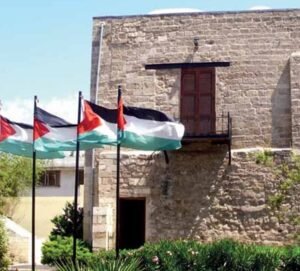
- Qasr al-Basha (Napoleon’s Palace) – A 13th-century Mamluk palace later used by Napoleon during his 1799 campaign. The palace stood as a symbol of Gaza’s layered history and once housed a museum of local heritage.
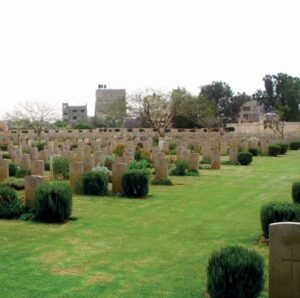
- Commonwealth War Cemetery – A well-kept memorial site for soldiers of World War I, reflecting Gaza’s role in the global history of the early 20th century.
- Gaza’s Old Markets – Traditional souqs alive with spice merchants, textiles, and artisans, reflecting Gaza’s role as a commercial crossroad.
- Al-Mathaf Museum – A modern private museum and cultural center that showcased Gaza’s archaeological treasures and heritage.
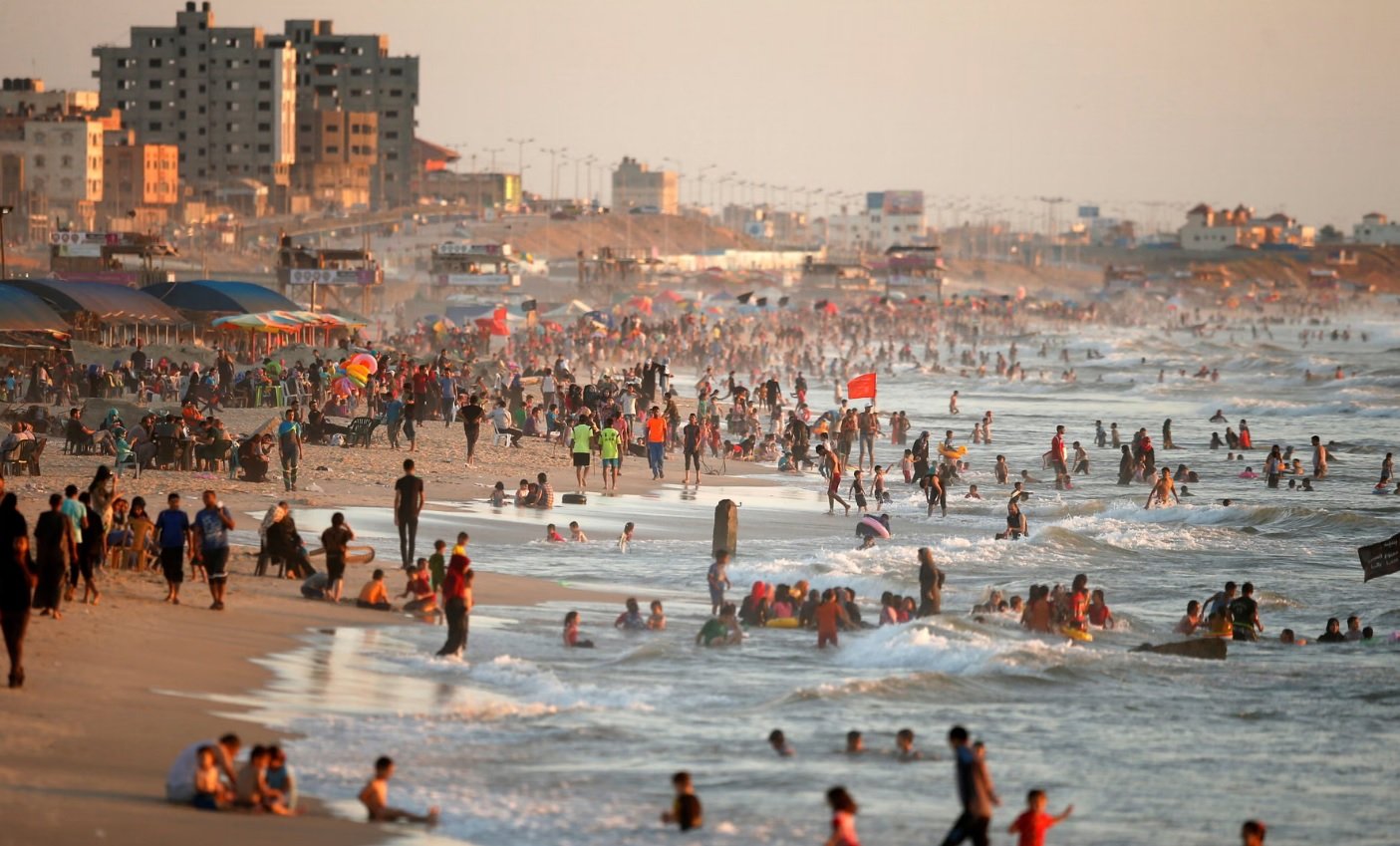
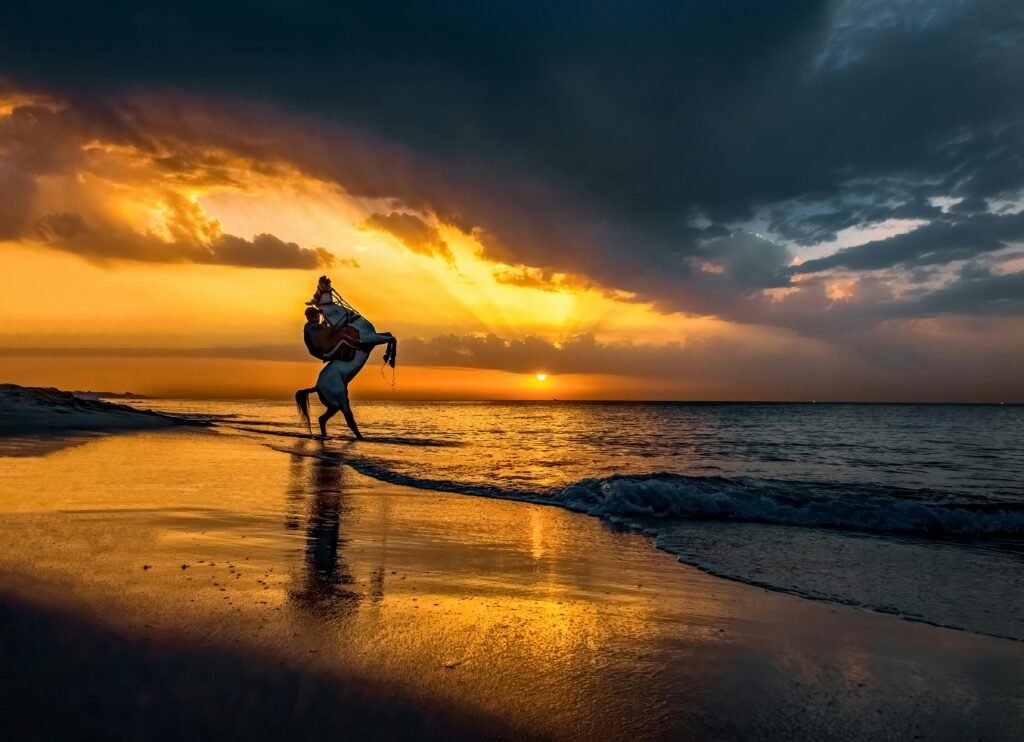
- Beaches of Gaza – Long stretches of Mediterranean coastline that once drew local families and visitors alike, famous for their beauty and seafood culture.