Garden Tomb – A Protestant Pilgrimage Site

Peaceful Protestant site near Damascus Gate, linked to the crucifixion and resurrection of Jesus

Overview

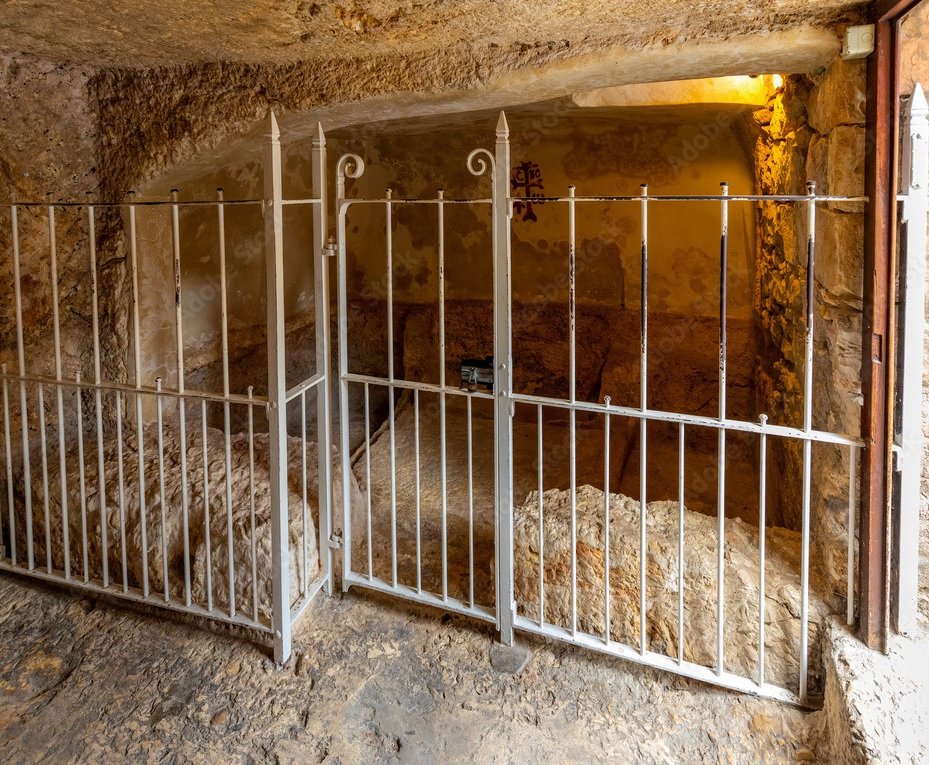
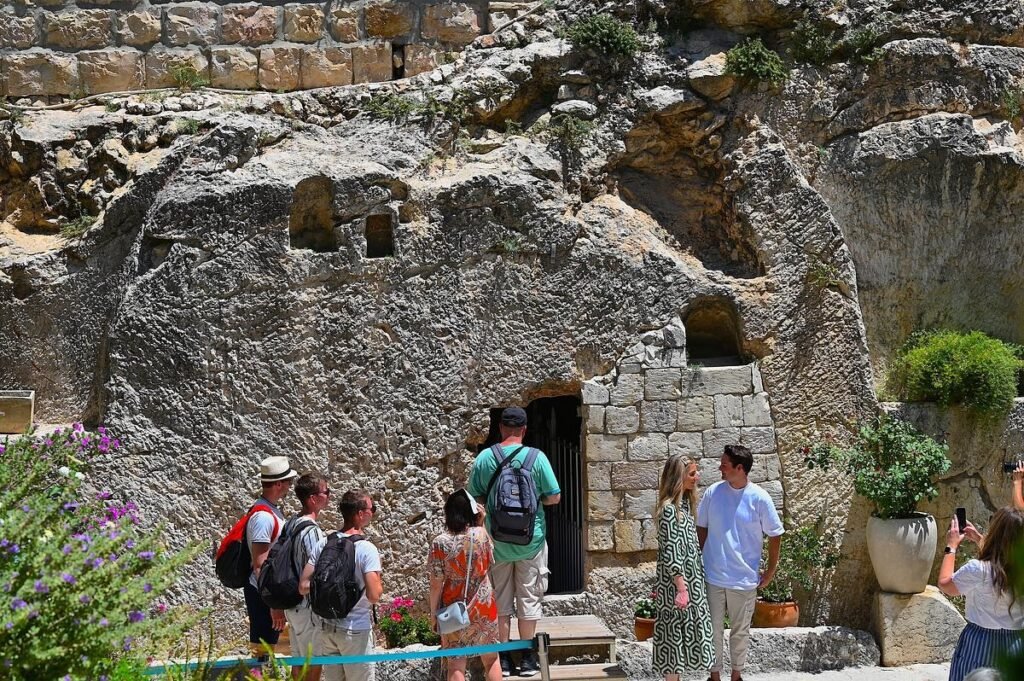
The Garden Tomb, located just outside Damascus Gate, is an alternative site identified in the 19th century as the possible location of Jesus’ crucifixion, burial, and resurrection. Discovered in 1867 by British archaeologists, the tomb is carved into rock and situated within a peaceful garden setting, offering a tranquil space for prayer and reflection.

While most scholars affirm the Church of the Holy Sepulchre as the authentic site, the Garden Tomb has become especially meaningful for Protestant and Evangelical pilgrims seeking a place to remember the Resurrection in a contemplative environment.

Spiritual & Cultural Significance

For many visitors, the Garden Tomb represents not only the story of Christ’s passion and resurrection but also the simplicity and hope of the Gospel message. Its serene garden atmosphere allows space for worship, Bible study, and quiet meditation. The tomb itself, though not archaeologically confirmed as the biblical burial site, provides a powerful symbolic experience for pilgrims who long to encounter the Easter story in a personal and reflective way.

The site is maintained by the Garden Tomb Association, a charitable trust based in the UK, ensuring its role as a place of welcome for international visitors.

Highlights & Experiences

See the rock-hewn tomb, with a visible channel for a rolling stone.

Visit Gordon’s Calvary, a nearby rocky escarpment once proposed as Golgotha.

Enjoy the quiet gardens, designed for prayer, reflection, and small group worship.

Participate in communion services or guided tours offered by the Garden Tomb staff.

Visitor Information

  • Location: Near Damascus Gate, East Jerusalem
  • Opening Hours: Mon–Sat, 8:30–12:00 & 14:00–17:30; closed Sundays
  • Contact: +972-2-628-3264 | info@gardentomb.com
  • Entry: Free (donations welcome)
  • Note: As a Protestant-administered site, the Garden Tomb offers a distinct experience from traditional Catholic and Orthodox holy sites.