Palestinian Embroidery (Tatreez) – Stitching Identity and Heritage
Explore Tatreez, the art of Palestinian embroidery, where every stitch carries history, identity, and the resilience of a people.
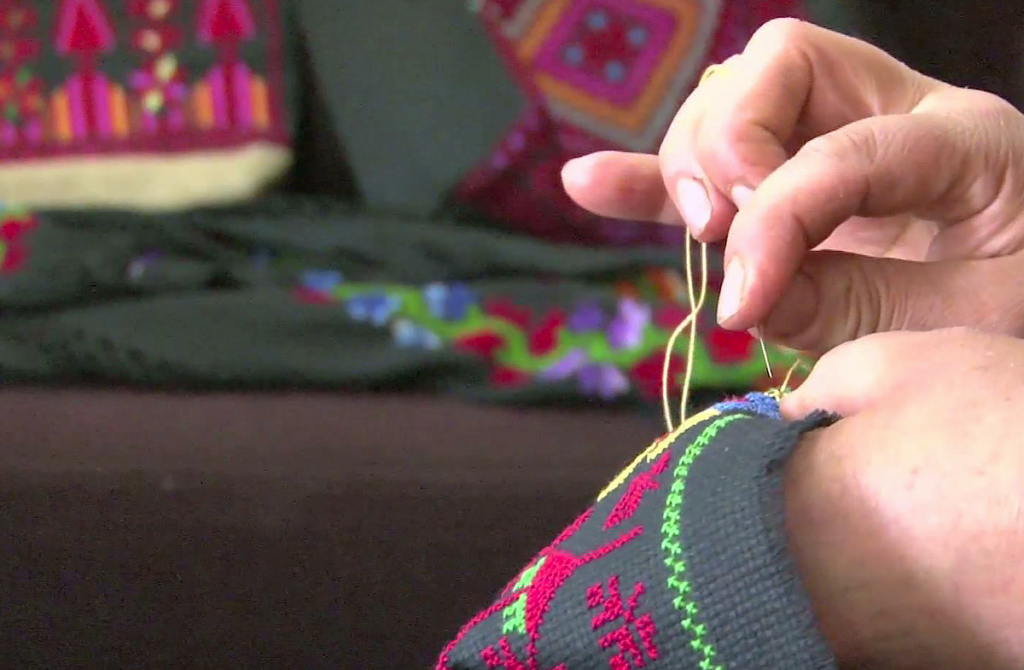
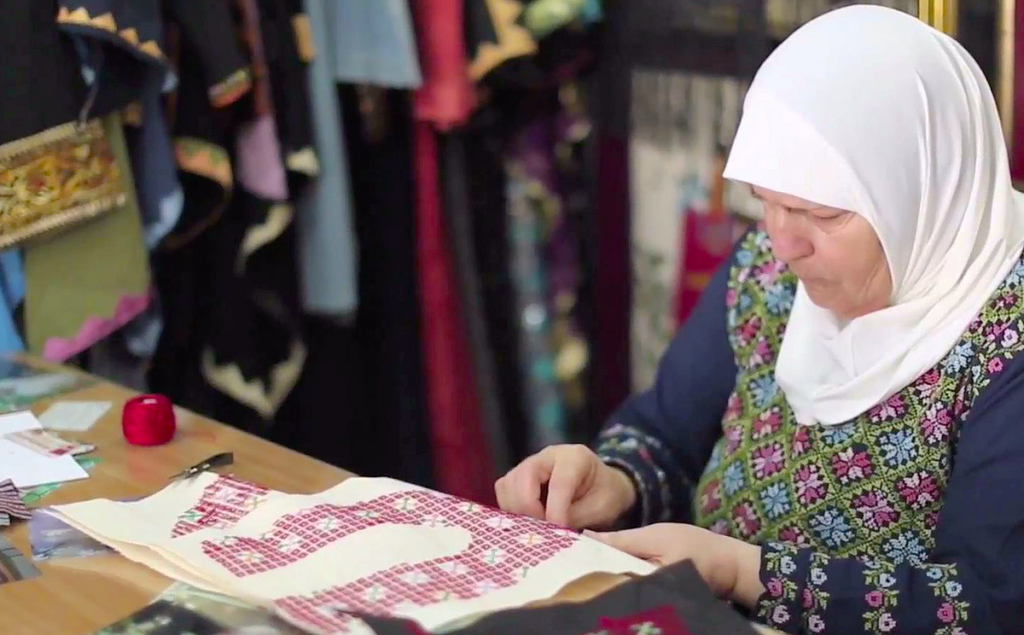
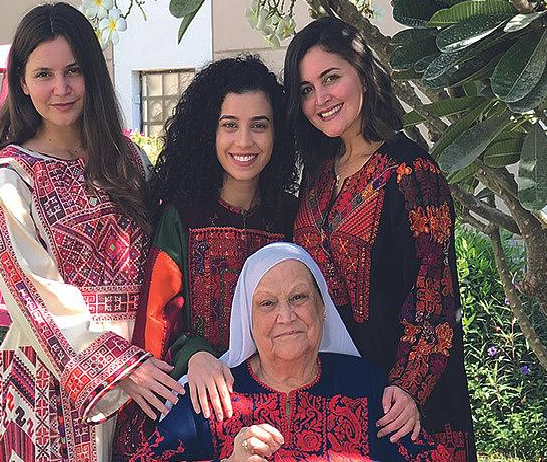
Tatreez, the traditional art of Palestinian embroidery, is more than decoration — it is a language of symbols, colors, and patterns that has carried the stories of Palestinian women for centuries. Each stitch reflects identity, belonging, and resilience. Traditionally adorning dresses (thobes), Tatreez has evolved into modern fashion and accessories while retaining its cultural significance.
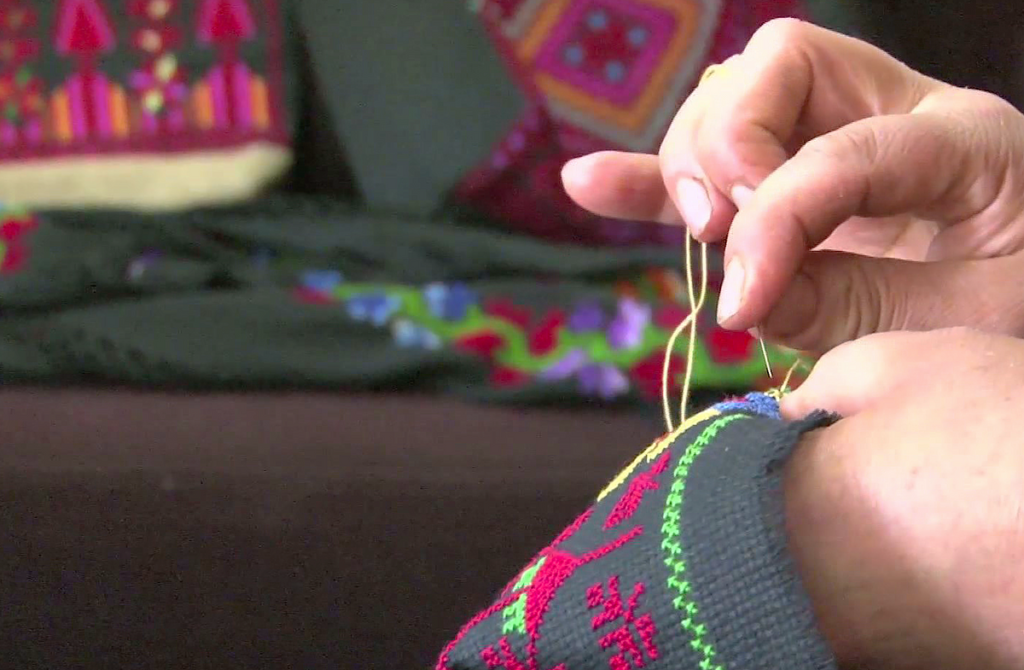
Artisans embroider by hand, using vibrant threads to create motifs that vary by region — from Bethlehem’s star patterns to Ramallah’s geometric shapes. Today, cooperatives and women’s groups keep the tradition alive, welcoming visitors to learn about its meanings and to support local livelihoods.
Highlights & Experiences
Visit Women’s Cooperatives: Meet artisans preserving the tradition and supporting their families.
Learn Regional Patterns: Bethlehem, Ramallah, and Gaza each have distinct embroidery motifs.
Shop Authentic Work: Dresses, scarves, bags, and wall hangings featuring traditional Tatreez.
Try It Yourself: Some workshops offer short embroidery lessons for visitors.
Discover the Symbolism: Olive trees, birds, and stars each carry cultural meaning in Palestinian embroidery.
Cultural and Spiritual Significance
Tatreez is both an art form and a cultural archive. For generations, Palestinian women have stitched their personal and community histories into cloth. Embroidery reflects not only beauty but also resilience, serving as a quiet form of cultural preservation during times of hardship.
More Arts and Crafts