Nearby Towns and Villages – Ramallah
“Ramallah’s nearby towns and villages reveal ancient history, deep traditions, and vibrant community life in the hills of Palestine.”
East Jerusalem is more than its holy sites within the Old City walls — it is also shaped by the surrounding Palestinian towns, villages, and neighborhoods. From the slopes of the Mount of Olives to the northern and southern hills, these communities reflect centuries of resilience and heritage. Each place has its own identity: Silwan’s deep archaeological roots, Sheikh Jarrah’s cultural life, Bethany’s Gospel associations, and Shuafat’s unique refugee story. Exploring them offers insight into the living fabric of Jerusalem, where tradition, struggle, and hospitality coexist side by side.
Al Bireh
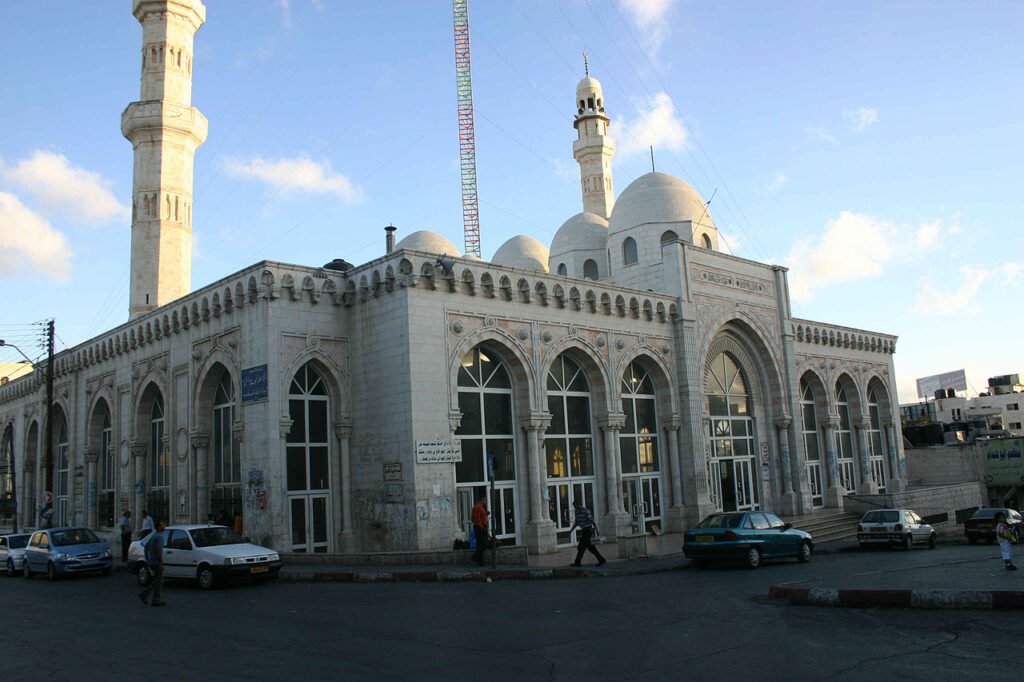
Al-Bireh lies just east of Ramallah, forming a twin city with it. With deep historical roots stretching back to antiquity, the town has long served as a hub on trade and pilgrimage routes. Its bustling central square and historic mosque reflect both continuity and change over the centuries.
Today, Al-Bireh is a thriving urban center, alive with shops, offices, and cultural life. While modern development defines much of its character, the city still carries reminders of its layered history, standing as both a partner and a counterpart to Ramallah.
Birzeit
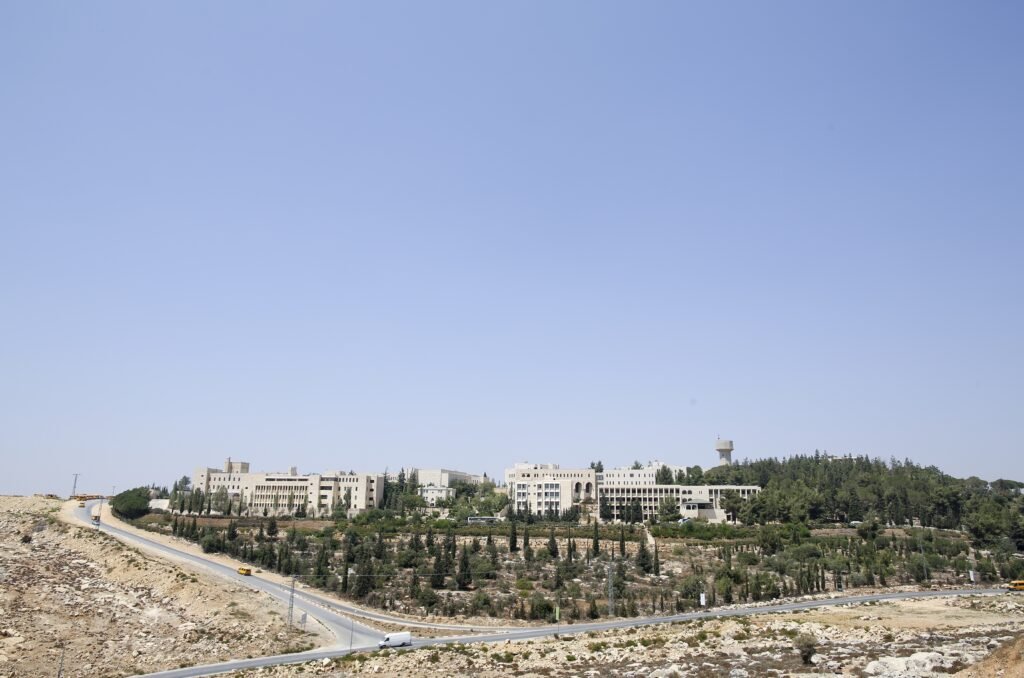
Located a short drive north of Ramallah, Birzeit is best known as home to Birzeit University, a leading center of education in Palestine. The town itself has roots reaching back to the Byzantine period, with archaeological remains scattered across its hills.
Alongside its academic reputation, Birzeit maintains traditional stone houses, olive groves, and a close-knit community. The annual Birzeit Heritage Week festival celebrates local crafts, music, and food, keeping cultural traditions vibrant for both residents and visitors.
Aboud
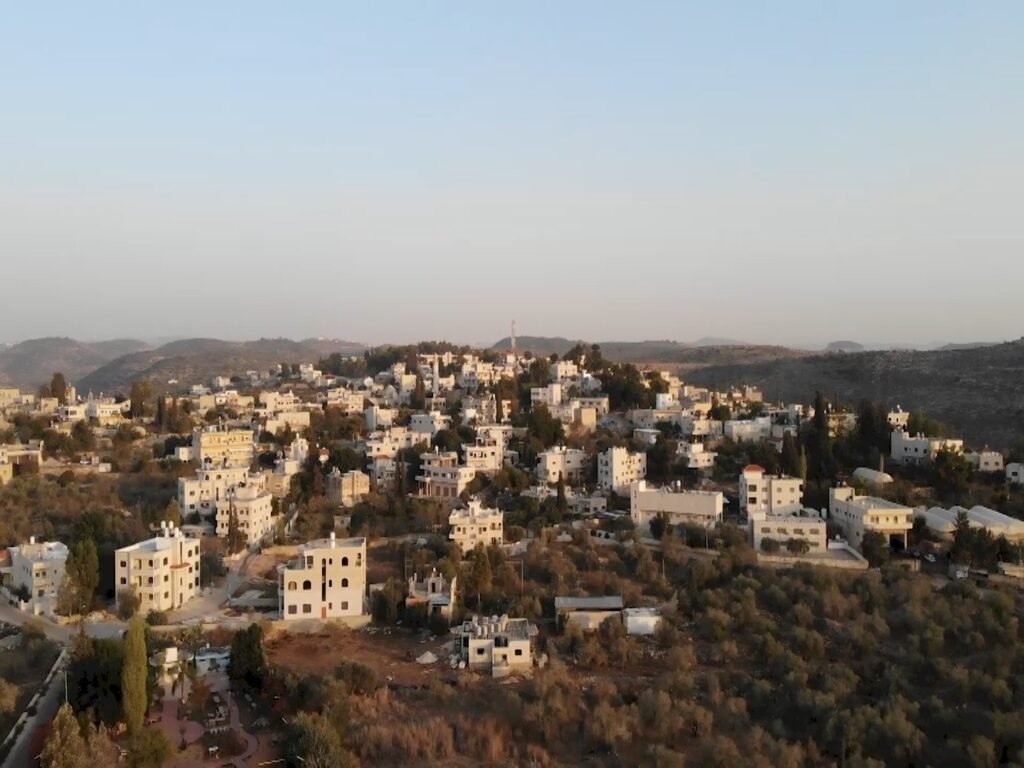
Nestled among olive groves northwest of Ramallah, Aboud has long been known as the “Village of Flowers.” Its history stretches back to Roman times, with ruins of Byzantine churches and monasteries still visible today.
The village is home to both Christian and Muslim families, with an enduring tradition of coexistence. Its historic churches, including St. Mary’s Church, draw pilgrims and reflect Aboud’s place in Palestine’s spiritual landscape.
Ein Qiniya is a small village west of Ramallah, set among rolling hills and natural springs. The village name itself refers to its abundant water sources, which have sustained life here since ancient times.
Despite its modest size, Ein Qiniya offers a quiet glimpse into rural Palestinian life. Its landscape of olive trees, stone terraces, and natural springs make it a peaceful stop for those seeking nature and tradition.
Once a prosperous Roman-era town, Jifna lies just north of Ramallah and is still remembered by its ancient name, Gophna. Traces of that heritage remain in its archaeological sites and old stone houses.
Today, Jifna is known for its vineyards, fruit orchards, and annual festivals. It has a strong Christian presence and is popular with visitors from Ramallah who come to enjoy its restaurants and village charm, blending history with a welcoming modern community.
East of Ramallah lies Deir Dibwan, a village surrounded by fertile hills long used for farming. Archaeological remains point to continuous settlement over centuries, with the village linked to ancient routes toward Jericho.
Many of its families maintain close ties with the diaspora, particularly in the United States. Despite waves of emigration, Deir Dibwan has retained its traditions, stone homes, and agricultural life, balancing modern influences with heritage.
Taybeh, northeast of Ramallah, is unique as the only all-Christian village in Palestine. Its history reaches back to biblical times, associated with Ephraim, where Jesus withdrew with his disciples before Passover (John 11:54).
The village is proud of its heritage, hosting an annual Oktoberfest around the Taybeh Brewery, while also preserving historic churches and stone homes. Taybeh embodies both continuity of faith and creativity in adapting to modern life.
Perched on the eastern slopes of Ramallah district, Kufr Malik commands wide views toward the Jordan Valley. Historically, its lands were used for grazing and farming, sustaining generations of families.
The village has preserved traditional stone houses and olive terraces, while also facing the pressures of land loss and settlement expansion. Life here is closely tied to the land, making agriculture both an economic and cultural foundation.
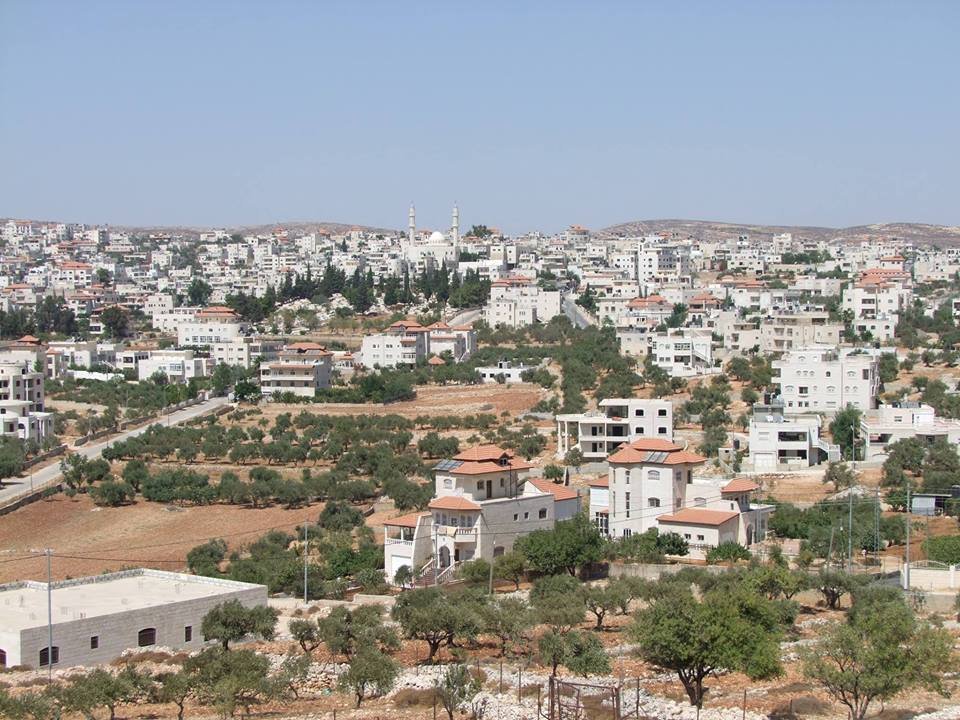
Turmus Ayya lies along the main road north of Ramallah, with a history reaching back to Roman times. Its name is believed to be linked to the lupine plant, once widely cultivated in the area.
The village is notable for its strong diaspora connections, especially to the United States, which is reflected in the modern homes built by returning families. Yet traditional life remains visible in its fields, mosques, and community spirit.
North of Ramallah, Sinjil preserves traces of Crusader history, with its name possibly linked to a Crusader knight from St. Gilles in France. Remnants of medieval churches and buildings hint at that layered past.
Today, Sinjil remains a farming village surrounded by olive groves and hills. Its residents maintain traditions of hospitality and community life, offering visitors a blend of history and living culture in the central highlands of Palestine.
Search Sites and Attractions in Palestine
Search by type of attraction and location