Mount Gerizim – The Sacred Mountain of the Samaritan Community

A panoramic biblical landscape overlooking ancient Shechem and modern Nablus

Overview

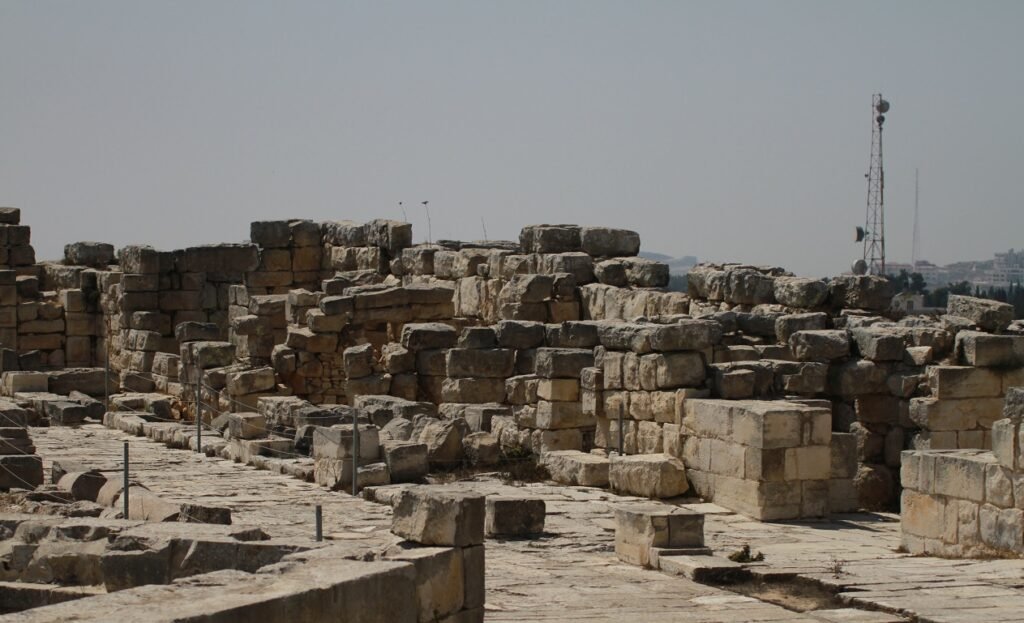
Mount Gerizim rises above Nablus as one of the region’s most historically and spiritually significant mountains. Revered for millennia by the Samaritan community as the holiest place on earth, the mountain has been a center of worship, ritual sacrifice, and religious identity since antiquity. Archaeological remains on the summit reveal layers of Samaritan, Hellenistic, Byzantine, and Islamic occupation, including the impressive foundations of a large temple complex and fortifications.

With sweeping views of Nablus, Tell Balata (ancient Shechem), and the surrounding valleys, Mount Gerizim offers visitors a unique vantage point from which to understand the ancient geography of the Bible. The site is accompanied by a modern museum that documents Samaritan traditions, artifacts, and religious history, making it one of the most enlightening destinations in the area for pilgrims, scholars, and cultural travelers.

Spiritual & Cultural Significance

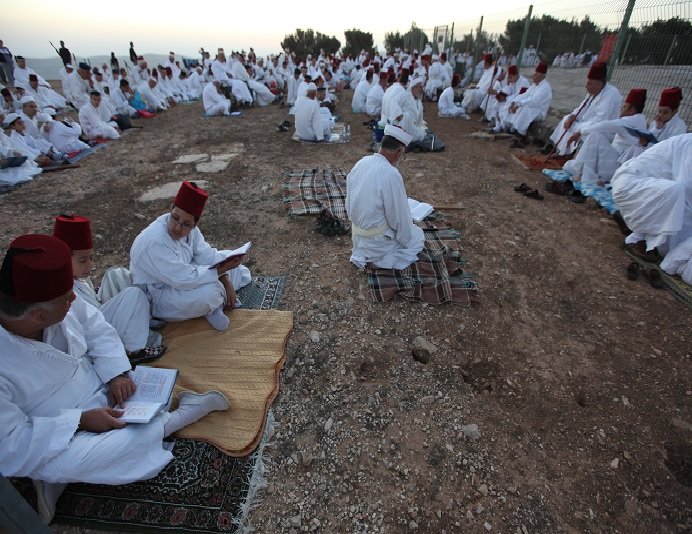
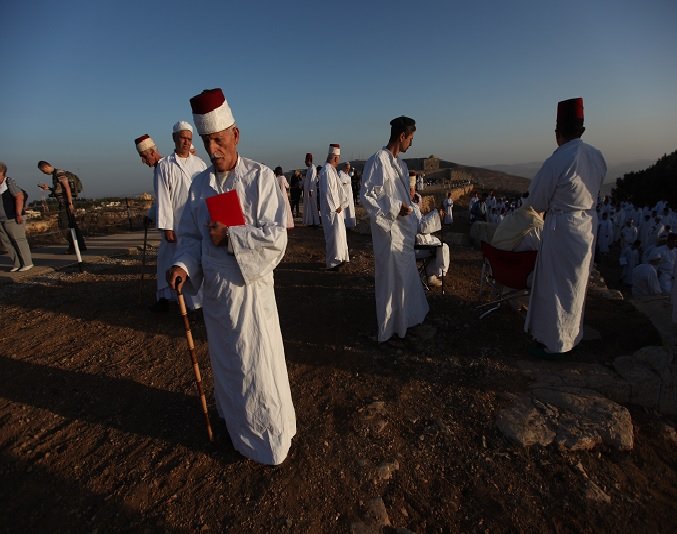
Biblically and historically, Mount Gerizim is intertwined with major moments of covenant and worship. According to scripture, it was on this mountain that blessings were pronounced upon the tribes of Israel, underscoring its status as a sacred place of proclamation and divine favor. For the Samaritans—who trace their lineage to ancient Israel—it remains the spiritual heart of their faith, the location of their temple, and the center of annual rituals including Passover. Archaeological discoveries on the summit highlight its importance as a fortified, ritual, and administrative hub throughout the ancient Near East.

Highlights & Experiences

Explore the archaeological remains of the Samaritan temple complex and fortified summit.
Visit the Samaritan Museum to learn about the community’s unique traditions and heritage.
Enjoy panoramic views of Nablus, Mount Ebal, Tell Balata, and the surrounding valleys.
Observe cultural and religious ceremonies during major Samaritan festivals (when accessible).
Discover ancient ritual spaces, Byzantine-era structures, and significant landmarks.

Visitor Information

  • Location: South of Nablus; accessible by road to the summit.
  • Recommended Visit Duration: 1–1.5 hours.
  • Best Time to Visit: Morning or late afternoon for clear views and cooler weather.
  • Accessibility: The museum is accessible; archaeological areas have uneven terrain.
  • Tip: Combine your visit with Tell Balata and the Samaritan quarter for a full historical context.