Sebastia – An Ancient City of Empires and Sacred Traditions

A hillside village rich with Roman ruins, biblical heritage, and timeless Palestinian charm

Overview

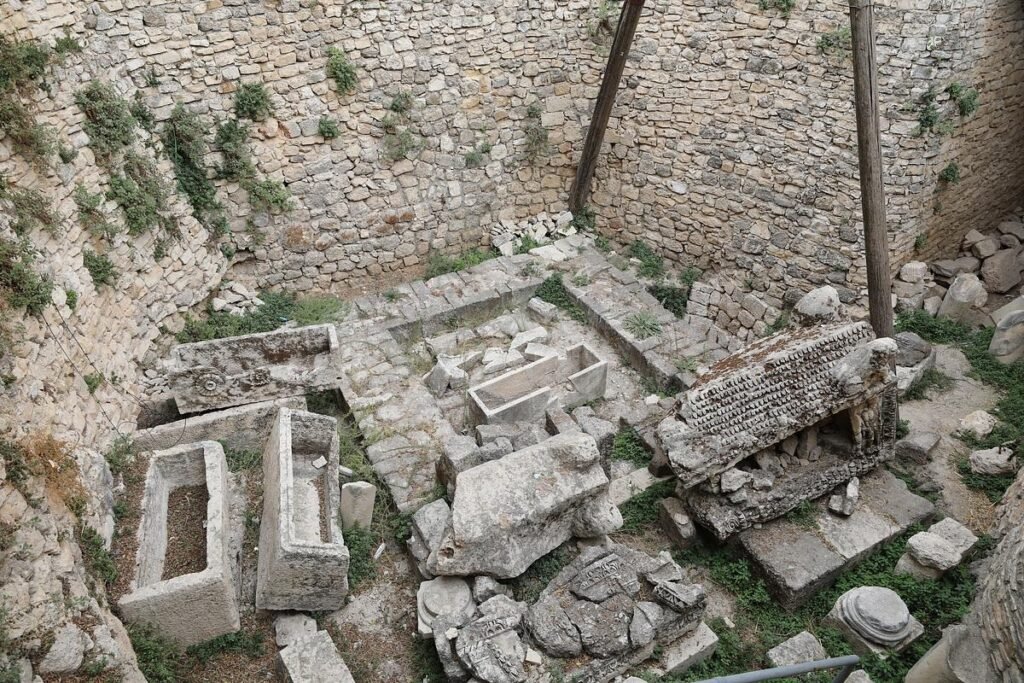
Sebastia, located northwest of Nablus, is one of the most historically layered and visually captivating destinations in the northern West Bank. The village sits atop the ruins of ancient Samaria, a city that rose to prominence during the Iron Age and later flourished under Hellenistic, Roman, Byzantine, Crusader, and Ottoman rule. Visitors can explore an impressive archaeological park featuring a Roman colonnaded street, a massive forum, a Hellenistic tower, an ancient theater, and extensive hillside ruins framed by olive groves and panoramic valley views.

Beyond its archaeological treasures, Sebastia’s modern village offers a warm and authentic Palestinian experience. Stone alleyways, traditional homes, and family-run guesthouses blend seamlessly with centuries of history, making the site both a cultural and scenic highlight. Sebastia is a place where past and present meet, offering visitors a peaceful setting to explore ancient landscapes and living heritage.

Cultural and Historic Significance

Sebastia holds deep significance across religious and historical traditions. Biblically, it is associated with the stories of the kings of Israel and, according to Christian tradition, is linked to the site of John the Baptist’s imprisonment and burial. Historically, the city served as the capital of the northern Kingdom of Israel before evolving into a major Greco-Roman metropolis known as Samaria-Sebaste. Its monumental architecture, temples, and urban planning reveal the grandeur of ancient empires and the cultural exchanges that shaped the region. A visit to Sebastia connects travelers with pivotal chapters of sacred scripture, imperial history, and Palestinian rural life.

Highlights & Experiences

Walk along the impressive Roman colonnaded street and explore the vast forum.
Visit the Roman theater, hillside acropolis, and remains of ancient temples.
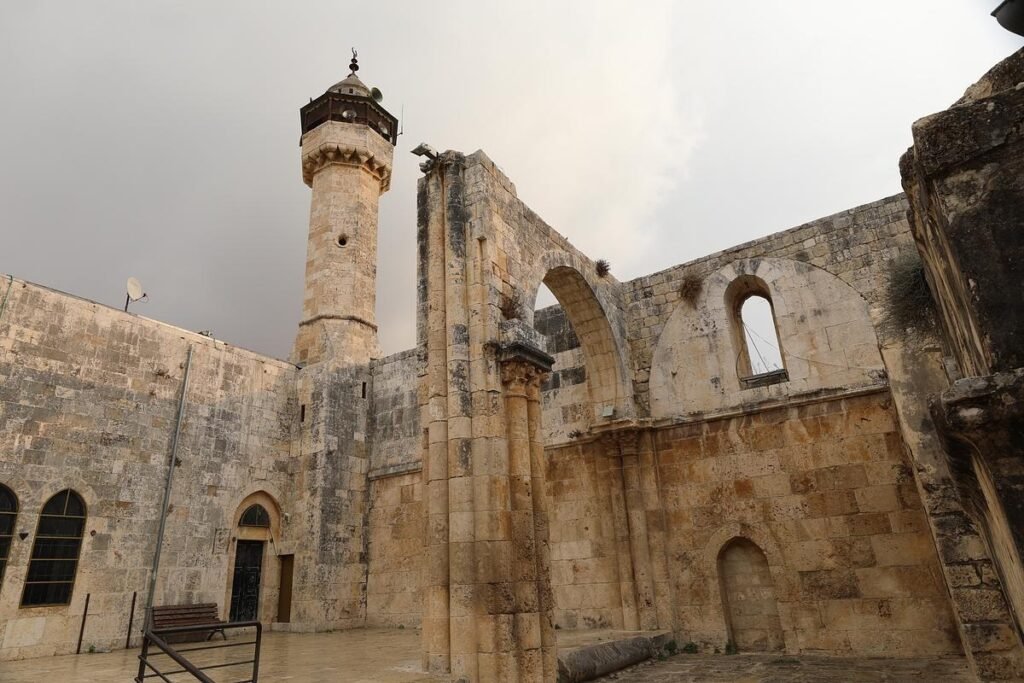
Explore the Crusader-era Church of St. John the Baptist, built above a traditional tomb.
Enjoy panoramic views of olive groves, rolling hills, and historic landscapes.
Wander the traditional village with its stone houses, market stalls, and local artisans.
Stay in or dine at small guesthouses offering authentic Palestinian hospitality.

Visitor Information

  • Location: Approximately 12 km northwest of Nablus.
  • Recommended Visit Duration: 1.5–2 hours; longer if including village dining or hiking.
  • Best Time to Visit: Morning or late afternoon for cooler temperatures and optimal views.
  • Accessibility: Archaeological areas include uneven paths and hillsides.
  • Tip: Combine Sebastia with a visit to the Old City of Nablus or Tell Balata for a comprehensive historical day trip.