Mosques of Nablus -Where Faith, History, and Living Tradition Come Together

Overview

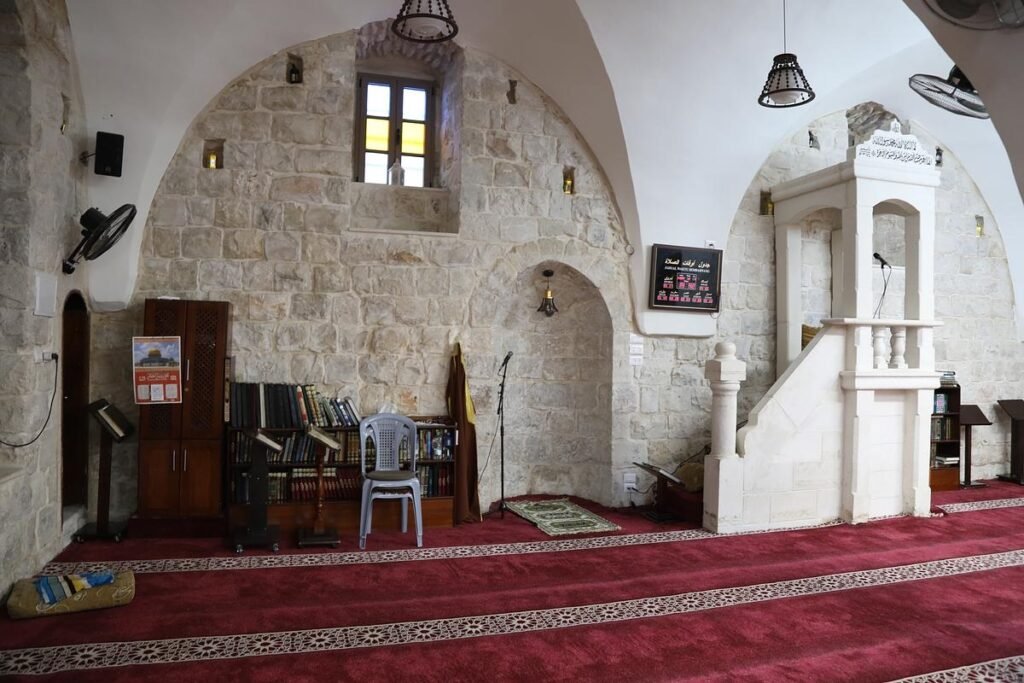
Nablus is home to some of the oldest and most distinctive mosques in Palestine, each reflecting layers of Islamic history, community life, and architectural beauty. Within the Old City’s narrow lanes and across its surrounding hills, these mosques have served worshippers for centuries, preserving traditions of prayer, scholarship, and local identity. Their stone minarets, carved facades, shaded courtyards, and historic prayer halls form an essential part of Nablus’s cultural landscape.
Visitors can explore early Islamic foundations, Mamluk and Ottoman-era craftsmanship, and vibrant neighborhood mosques that still anchor the rhythm of daily life. Together, they offer a meaningful window into the spiritual heritage and enduring devotion of this ancient city.

Great Mosque of Nablus (al-Jami’ al-Kabir)

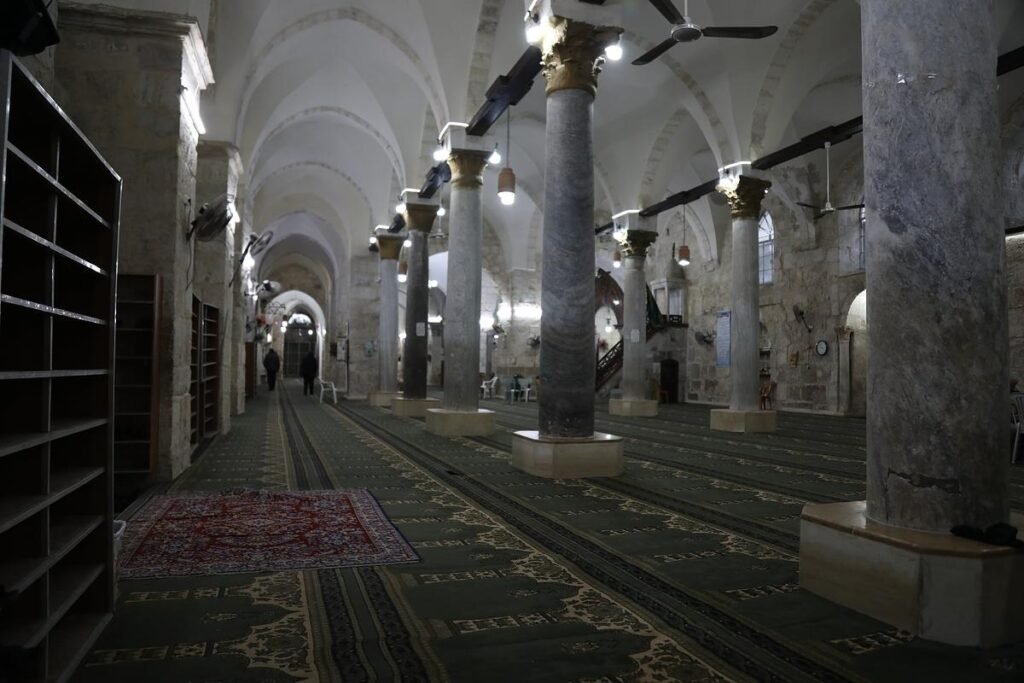
The Great Mosque of Nablus is the city’s most significant and historic place of worship, built over foundations that date back to the Roman era. Originally a Byzantine church, later transformed during the early Islamic period, it reflects centuries of architectural adaptation and devotion. Its stone arches, broad courtyard, elegant columns, and prominent minaret make it a focal point of the Old City.
The mosque remains a vibrant center of daily prayer and community life, offering visitors a glimpse into Nablus’s deep spiritual heritage.

Al-Nasr Mosque

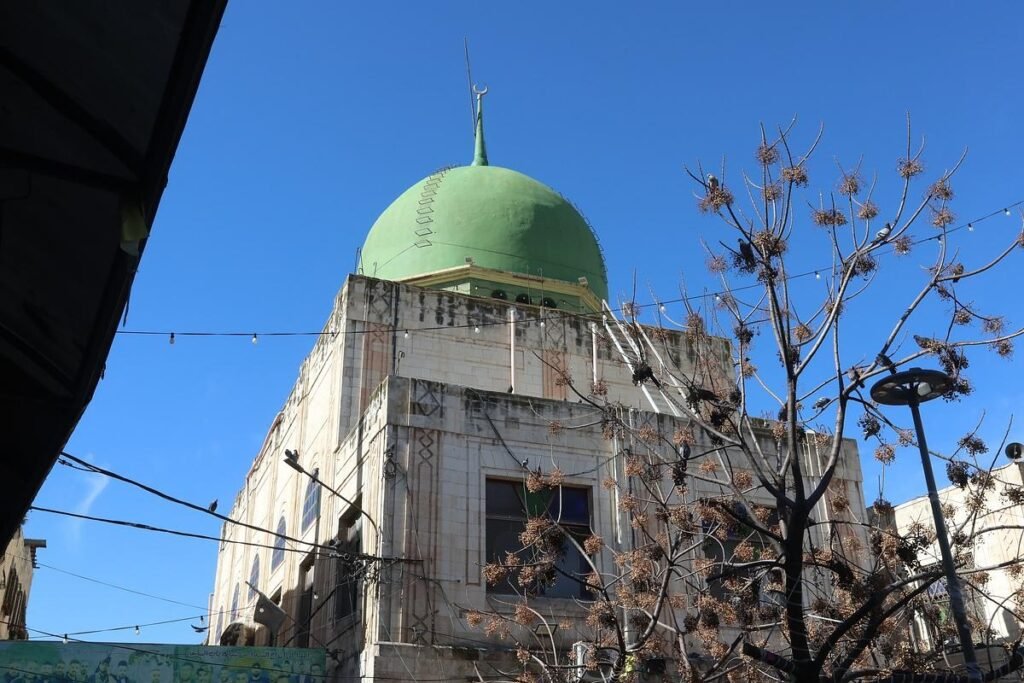
Located at the heart of the Old City’s central square, Al-Nasr Mosque is one of Nablus’s most recognizable religious landmarks. Built during the Mamluk period and restored under the Ottomans, its domed prayer hall and distinctive architecture reflect the city’s rich Islamic identity.
The mosque has long served as a gathering place for worship, learning, and public life. Its setting in the bustling square makes it an essential stop for visitors exploring the cultural rhythm of Nablus.

Rafidia Mosque

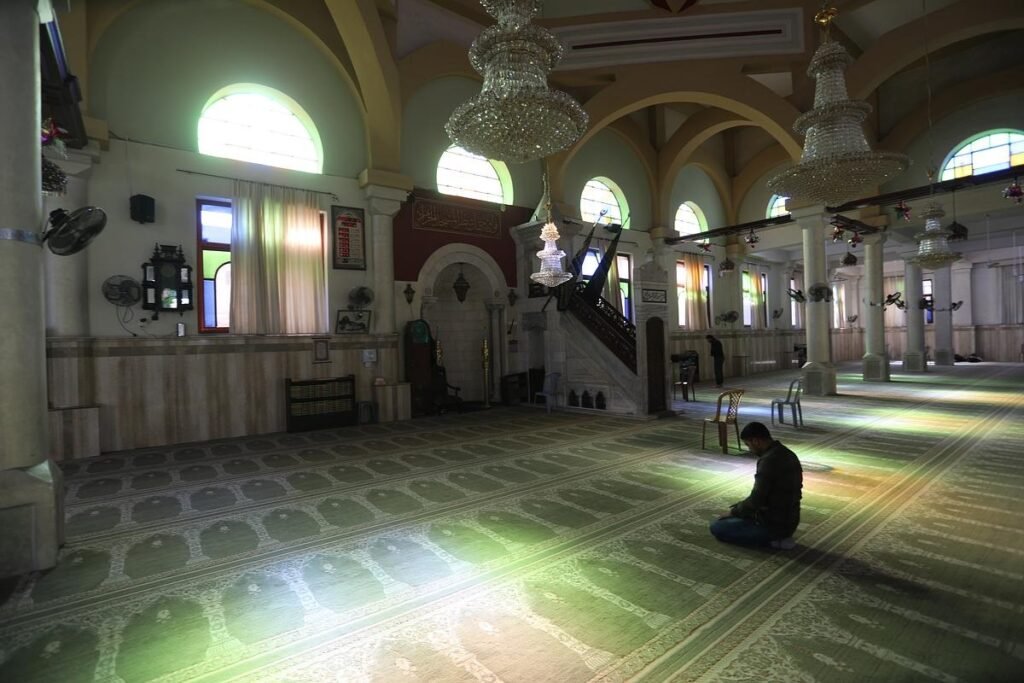
Rafidia Mosque stands in the modern district west of the Old City and serves as an important center for the surrounding community. Known for its tall minaret, spacious interior, and contemporary design, it reflects the living continuity of Islamic practice in Nablus today.

While less historic than the Old City mosques, Rafidia Mosque offers a window into the city’s expanding neighborhoods and the everyday expressions of faith that shape local life.