Cultural and Historic Significance
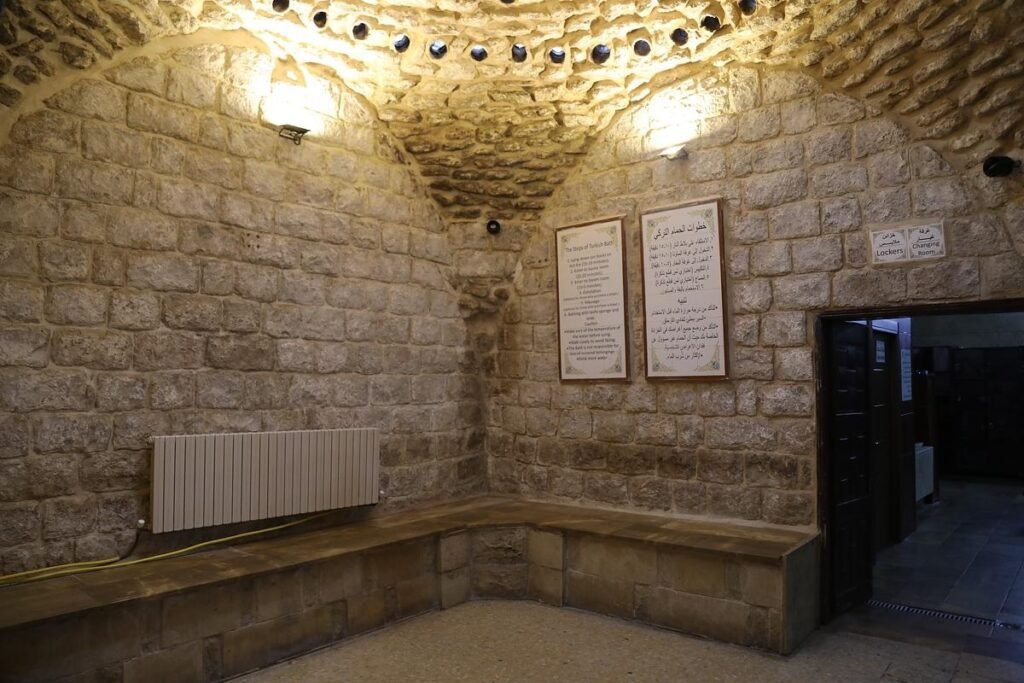
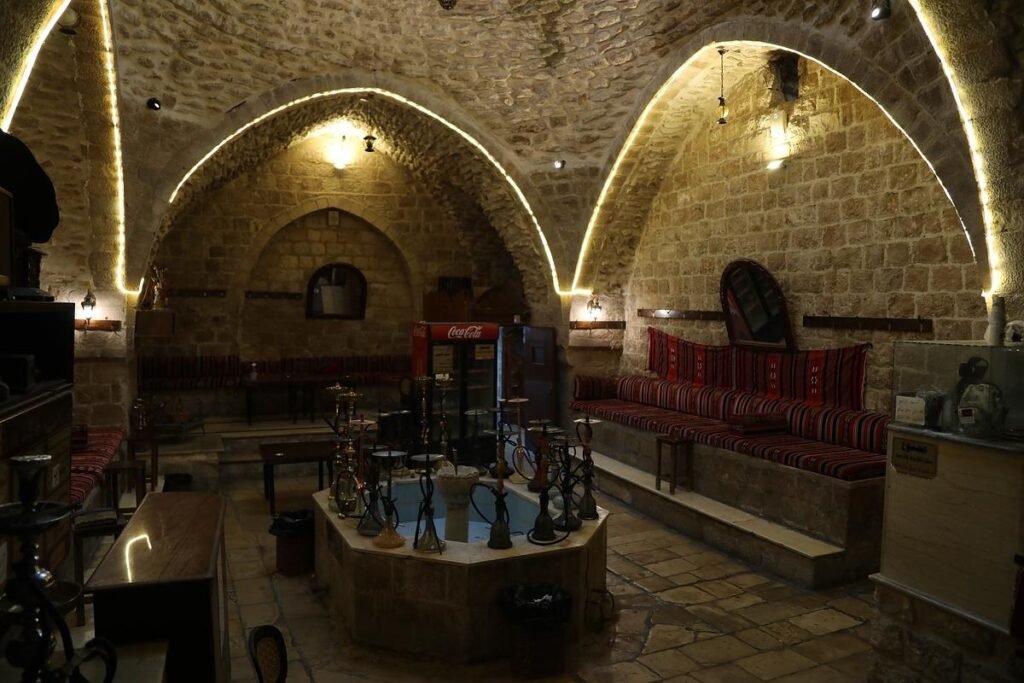
Hammams have long been central to the social and cultural fabric of Middle Eastern life. Beyond cleansing, they symbolized hospitality, community bonding, and important transitions such as weddings or holidays. In Nablus, the hammams reflect Ottoman architectural heritage, the city’s historic urban identity, and the continuation of communal practices that have survived political, economic, and social change. Their enduring presence speaks to the resilience of Palestinian culture and the value placed on ritual, wellbeing, and togetherness.