Western Wall – The Wailing Wall (Al-Buraq Wall)

The holiest Jewish prayer site, where pilgrims and visitors come to reflect and connect

Overview

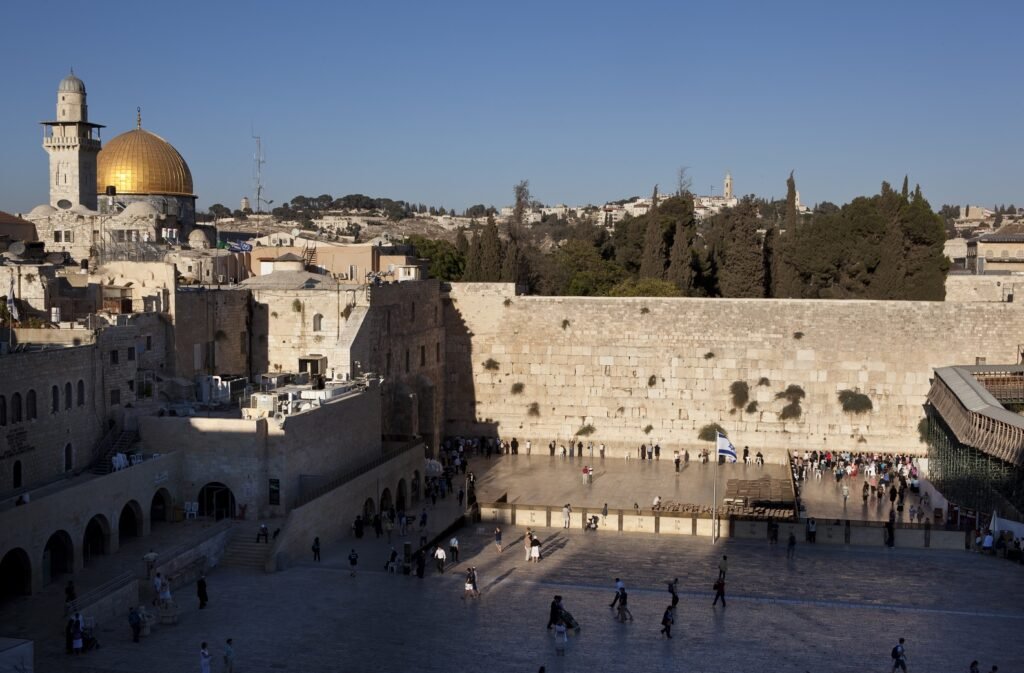
The Western Wall, known in Hebrew as the Kotel and in Arabic as Al-Buraq Wall, is one of the most sacred places in Judaism. It is the last remaining retaining wall of the Second Temple complex, destroyed by the Romans in 70 CE, and has stood for over 2,000 years as a symbol of resilience and devotion. Located at the western edge of the Haram al-Sharif (Noble Sanctuary), the Wall draws millions of Jewish and non-Jewish visitors alike, who come to pray, reflect, and connect with history.

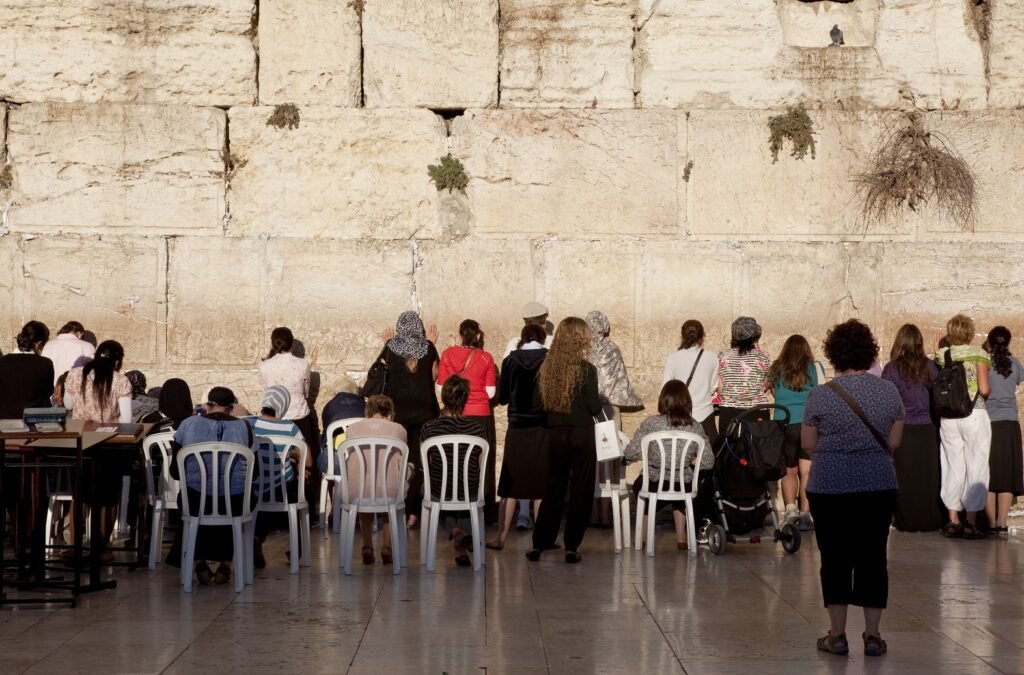
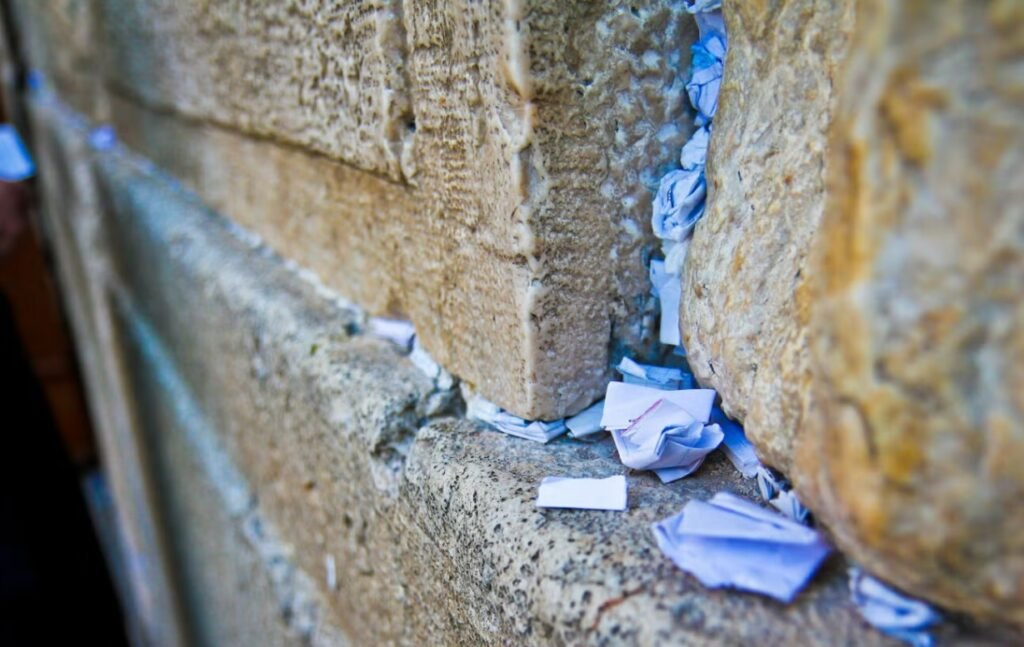
The Wall is divided into sections for men and women, with large open plazas where worshippers gather throughout the day. Many place handwritten prayers in the crevices between the ancient stones, a tradition that has come to symbolize faith and hope.

Spiritual & Cultural Significance

For Jews worldwide, the Western Wall represents the closest accessible point to the Holy of Holies, the innermost sanctuary of the ancient Temple where God’s presence was believed to dwell. It is a site of prayer, mourning, and celebration — from bar mitzvahs and weddings to solemn fasts and festivals.

The Wall also holds significance in Palestinian and Islamic tradition, as it is adjacent to Al-Haram al-Sharif. In Islamic heritage, it is associated with the Night Journey of the Prophet Muhammad, who is said to have tethered his steed Al-Buraq here before ascending to heaven.

Today, the Western Wall stands not only as a religious site but also as a cultural and political symbol. It is a place where faith intersects with identity, heritage, and the complex history of Jerusalem.

Highlights & Experiences

Approach the ancient stones and place a written prayer in the wall’s crevices.

Join worshippers in daily prayers, or observe Shabbat and festival celebrations.

Visit the Western Wall Tunnels, which reveal underground sections dating back to the Second Temple period.

Experience bar mitzvah ceremonies, often held on Mondays and Thursdays, offering a glimpse into Jewish tradition.

Visitor Information

  • Location: Western edge of the Haram al-Sharif, Old City, Jerusalem
  • Hours: Open year-round, 24/7
  • Admission: Free; modest dress required.
  • Suggested Tour Integration: Combine with a visit to the Jewish Quarter, Western Wall Tunnels, and nearby Christian and Muslim sites for a fuller sense of Jerusalem’s shared heritage.