Via Dolorosa – The Way of the Cross

Walk the path where Jesus carried the cross, through Jerusalem’s Old City streets filled with history, devotion, and living tradition.

Overview

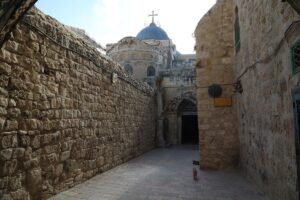
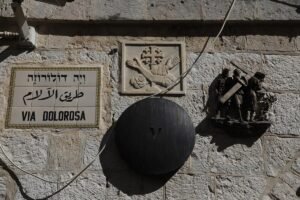
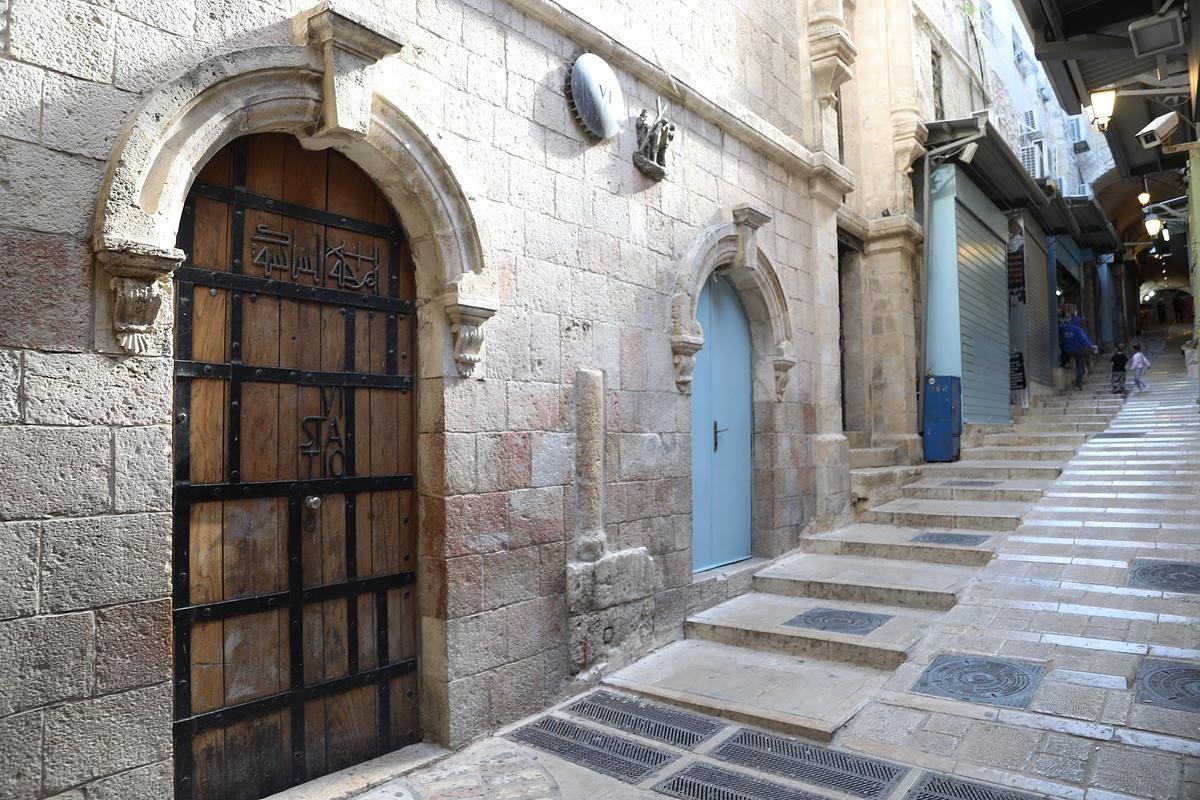
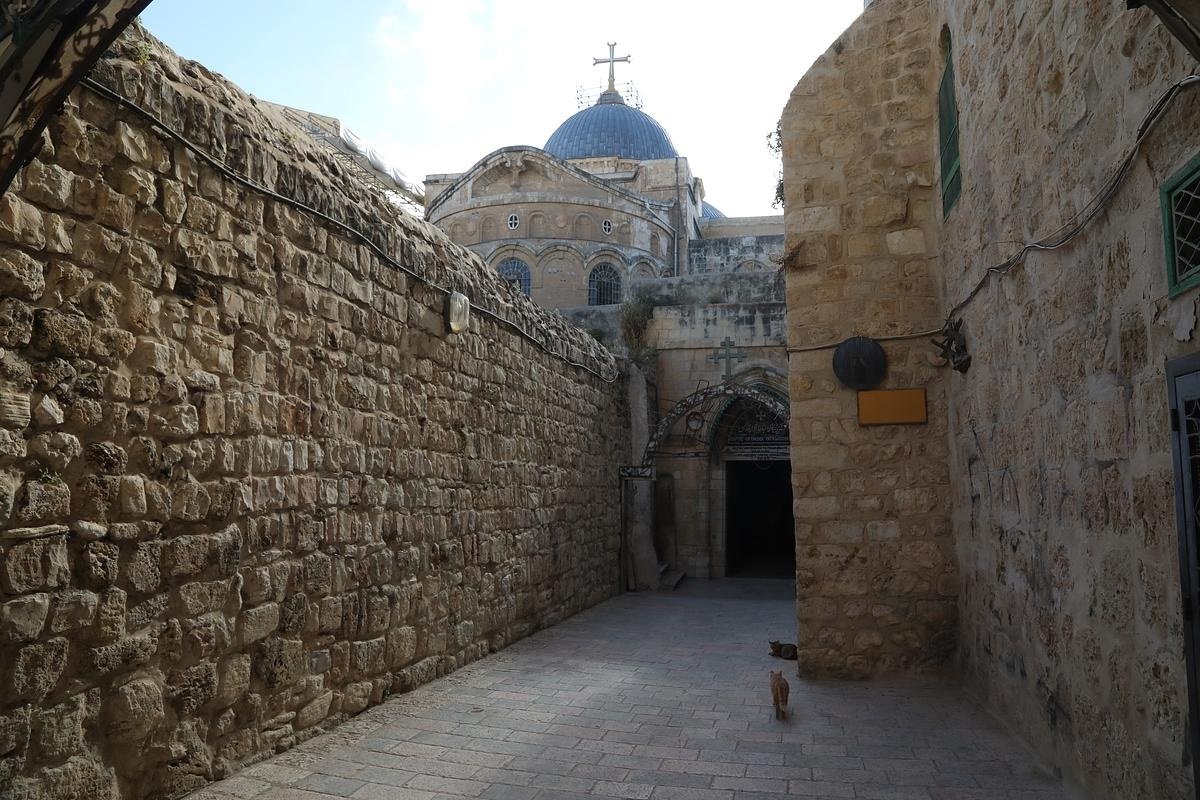
The Via Dolorosa, or “Way of Sorrow,” is one of the most moving pilgrim routes in the world. Winding through the narrow lanes of Jerusalem’s Old City, it follows the traditional path Jesus is believed to have walked on the way to His crucifixion. The route begins near the Lion’s Gate in the Muslim Quarter and concludes at the Church of the Holy Sepulchre in the Christian Quarter, covering a distance of around 600 meters.

Along the way, pilgrims encounter 14 Stations of the Cross, each marking events described in the Passion narratives or preserved through tradition. Some stations are located at chapels, others along street corners, and together they form a living journey of faith. The Via Dolorosa is not only a religious path but also an immersive experience of Jerusalem’s Old City, where history, devotion, and daily life intersect.

Spiritual & Cultural Significance

For centuries, Christians from across the globe have come to Jerusalem to walk the Via Dolorosa in prayer and reflection. The path embodies the universal Christian call to remember Jesus’ suffering, sacrifice, and ultimate triumph over death.

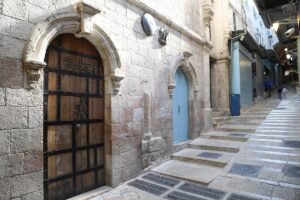
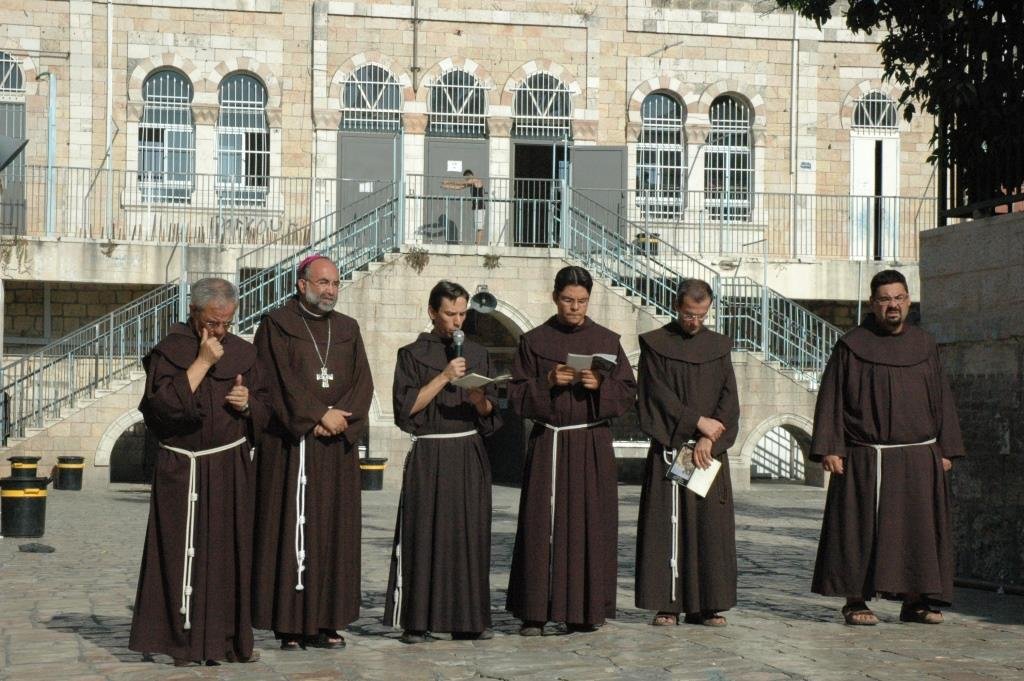
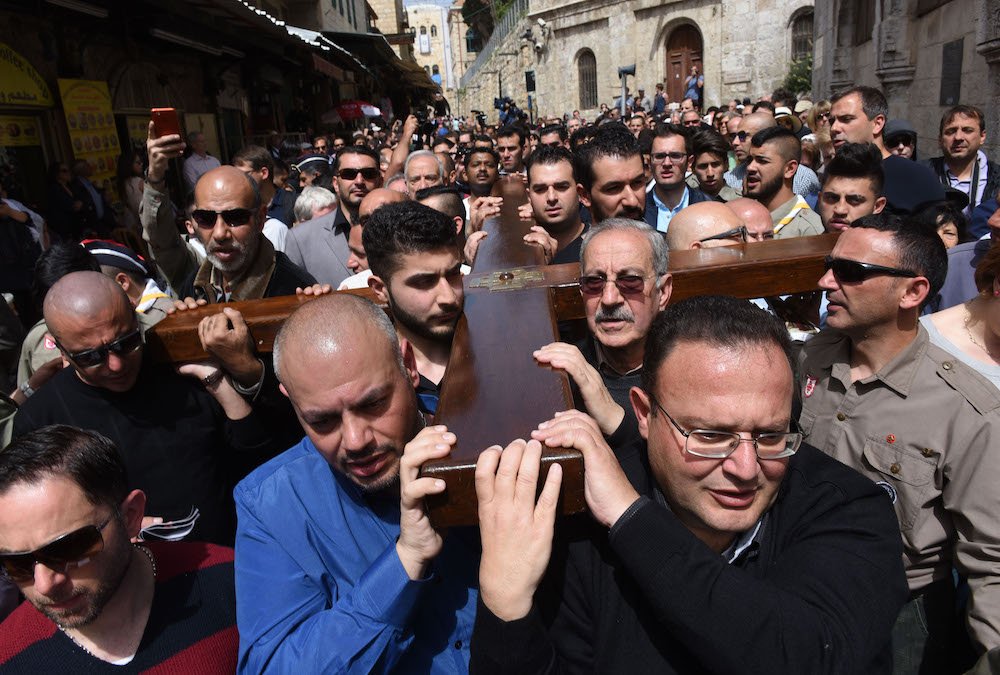
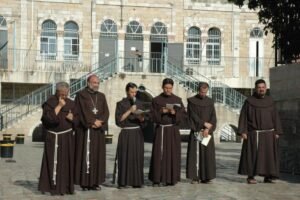
Every Friday, Franciscan friars lead a public procession along the route, drawing pilgrims and local worshippers into a shared ritual that has taken place for generations. At the same time, the Via Dolorosa is part of the living city — market stalls, children playing, and the rhythm of daily life carry on alongside prayerful groups retracing the Passion. This blend of sacred and ordinary life makes the Via Dolorosa a powerful symbol of how faith endures in the heart of Jerusalem.

Highlights & Experiences

Walk the 14 Stations of the Cross: Pause at each site, from Jesus’ condemnation to His crucifixion and burial.

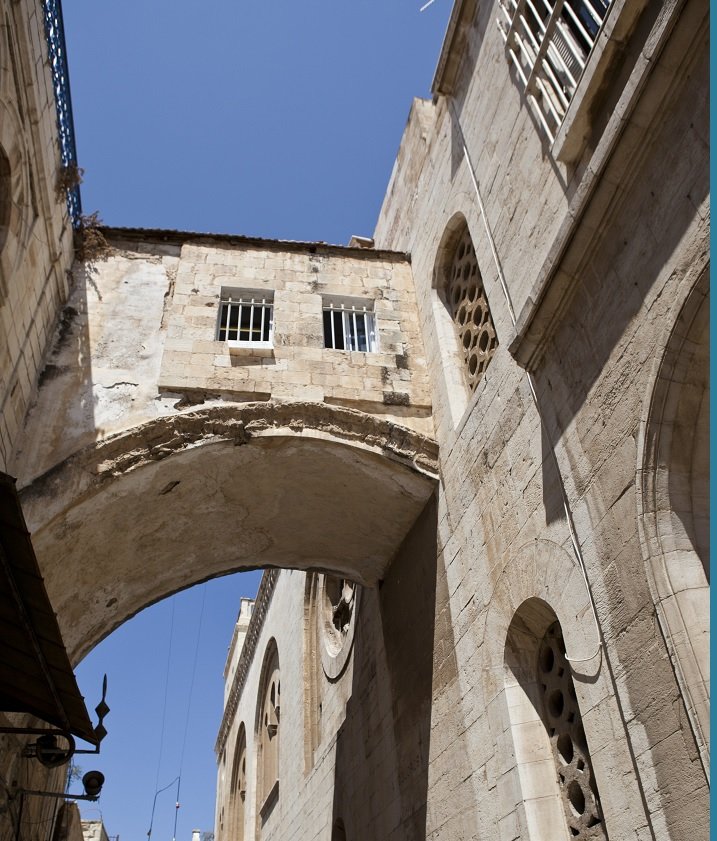
Visit the Ecce Homo Arch: A striking Roman-era arch near the second station.

Enter small chapels and churches along the route, such as the Church of the Flagellation and Church of the Condemnation.

Join the Friday Franciscan procession, a unique opportunity to experience the Via Dolorosa in community.

The 14 Stations of the Via Dolorosa

Station I – Jesus is condemned to death
At the site of the Antonia Fortress, Pontius Pilate sentences Jesus to crucifixion.

Station II – Jesus takes up His cross
A Franciscan monastery marks the place where Jesus received the cross.

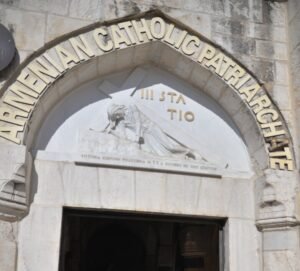
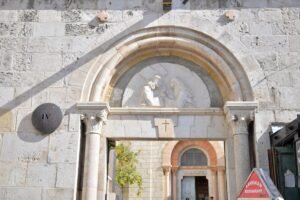
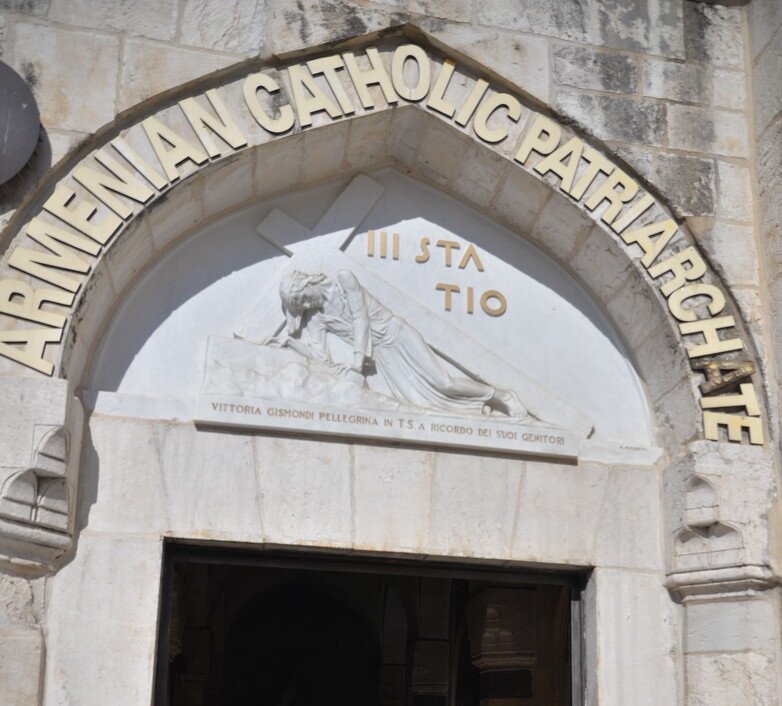
Station III – Jesus falls the first time
A small chapel recalls Jesus’ first fall under the weight of the cross.

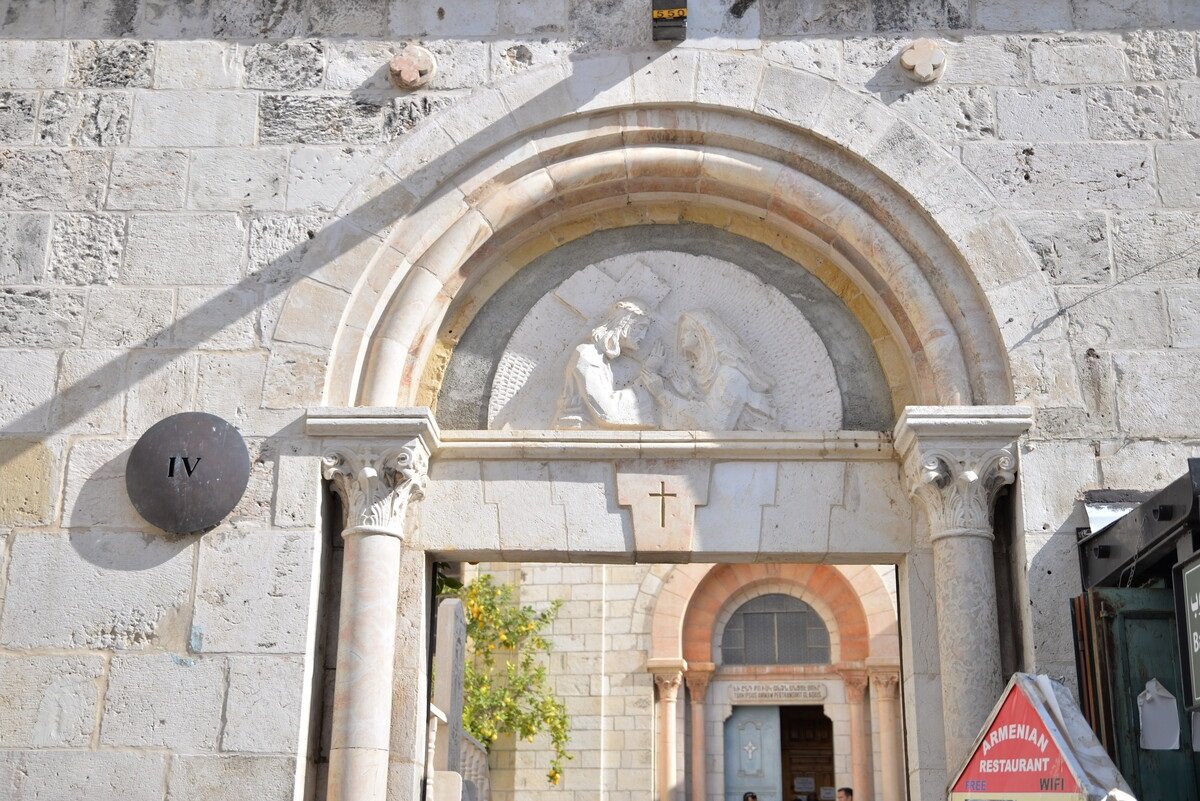
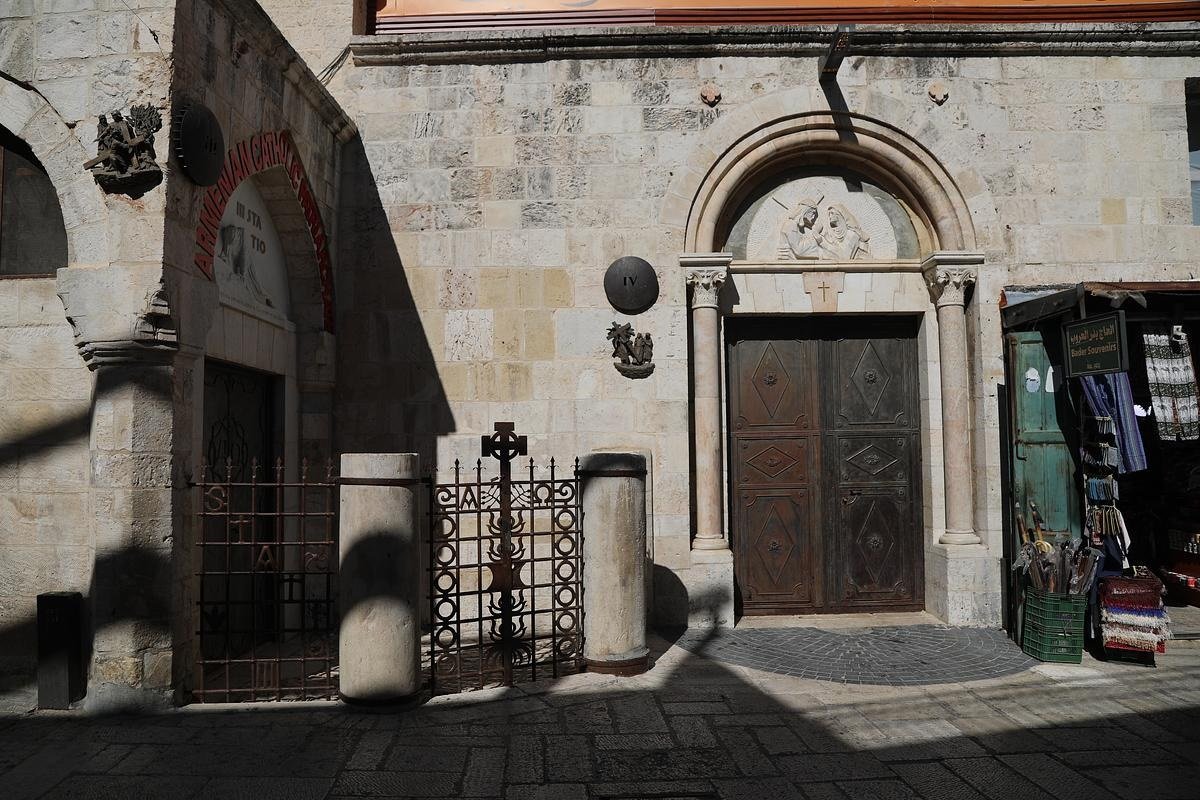
Station IV – Jesus meets His Mother
Tradition holds this as the spot where Mary and Jesus exchanged a sorrowful glance.

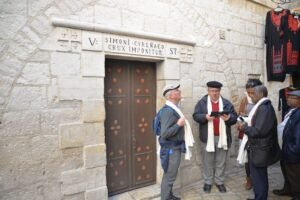
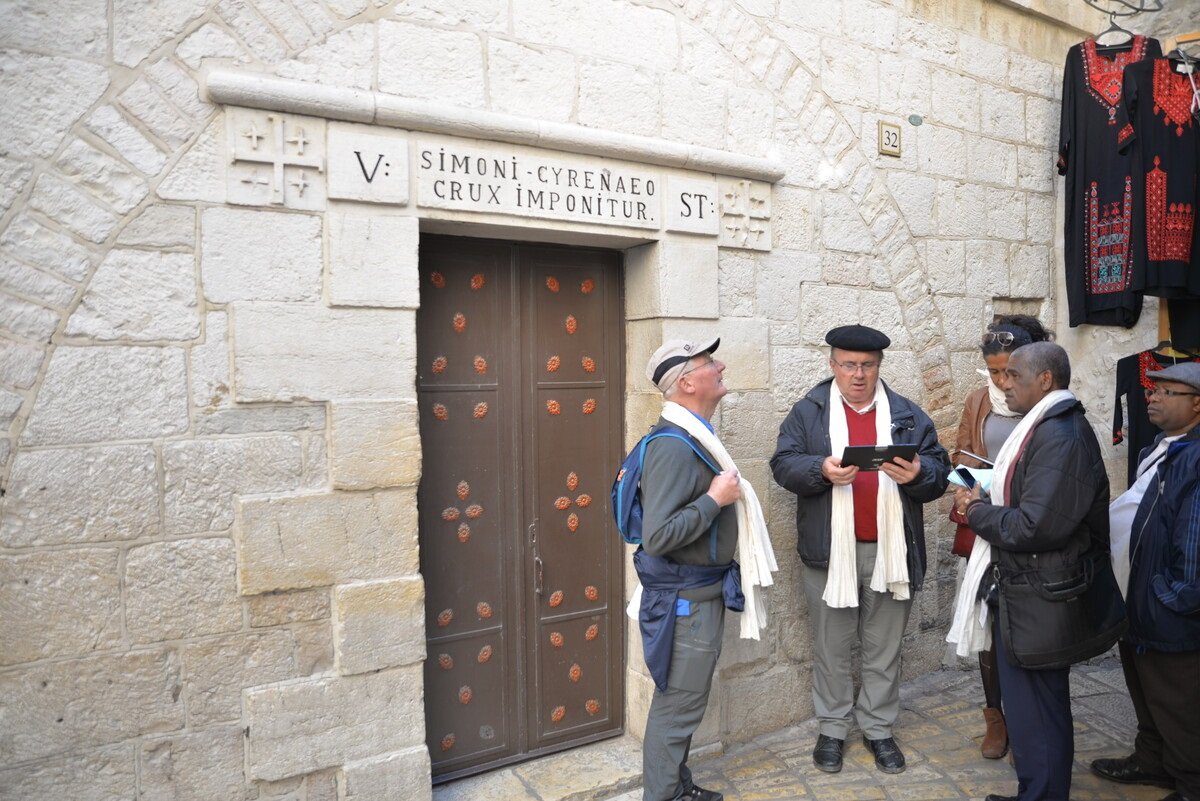
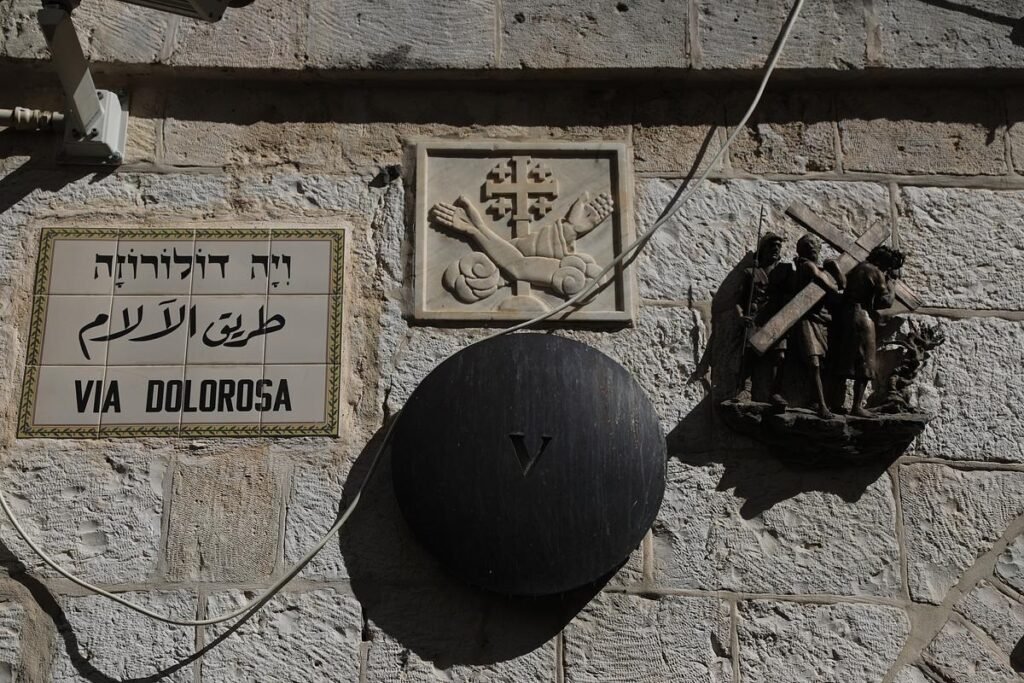
Station V – Simon of Cyrene helps Jesus
Here, Simon is compelled by Roman soldiers to carry the cross.

Station VI – Veronica wipes the face of Jesus
According to tradition, Veronica offered her veil, which retained His image.

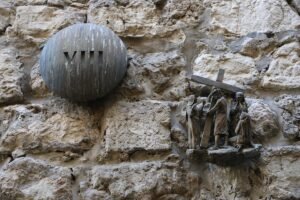
Station VII – Jesus falls the second time
This marks another stumble along the crowded, narrow streets.

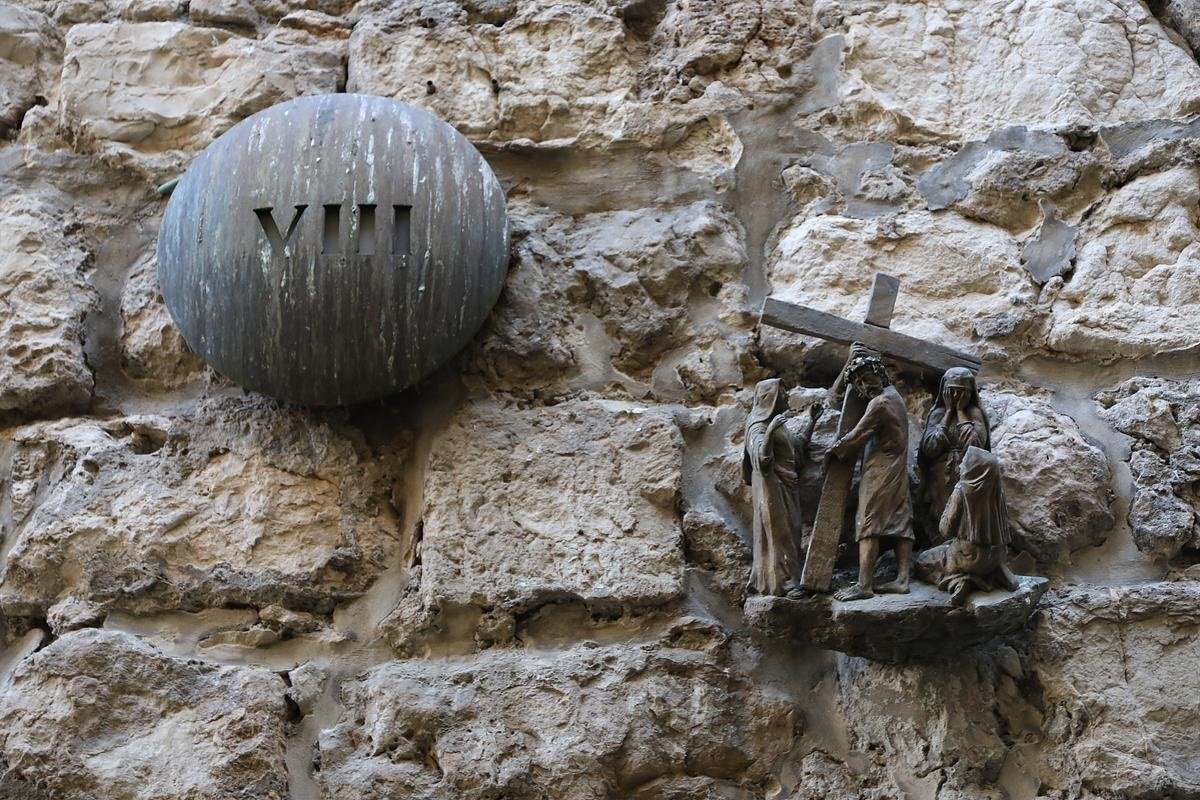
Station VIII – Jesus speaks to the women of Jerusalem
A Latin cross set in the wall recalls His words of compassion to the mourning women.

Station IX – Jesus falls the third time
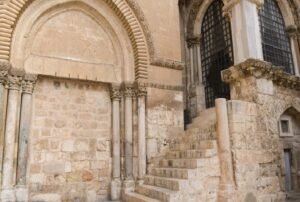
Located at the entrance to the Church of the Holy Sepulchre, symbolizing His final fall.

Station X – Jesus is stripped of His garments
Inside the church, this station recalls His humiliation before crucifixion.

Station XI – Jesus is nailed to the cross
A Franciscan chapel marks the place of the crucifixion.

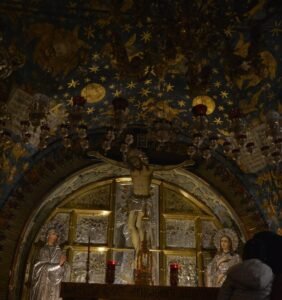
Station XII – Jesus dies on the cross
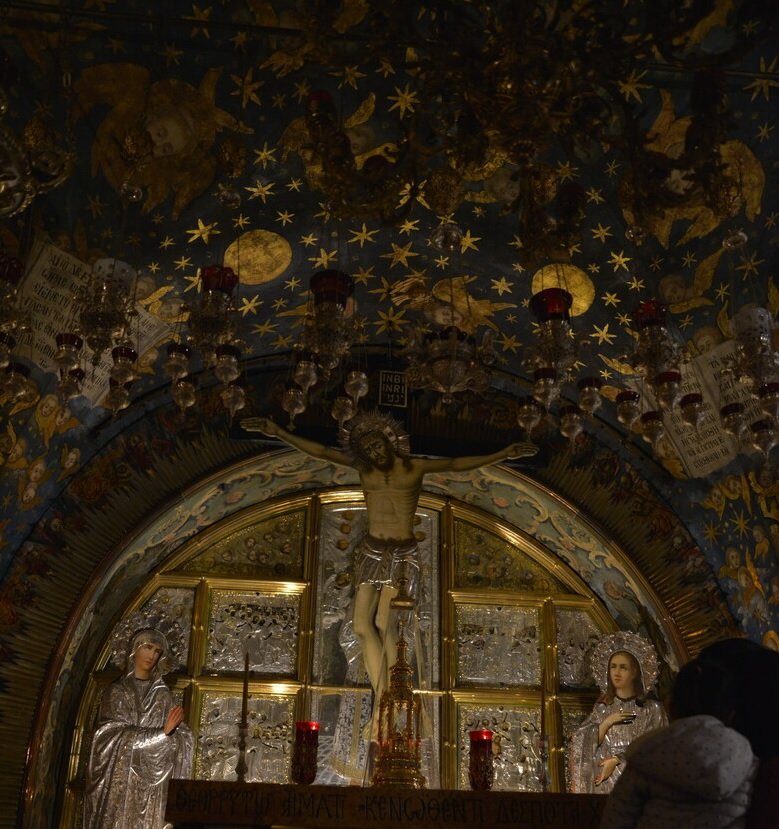
The Greek Orthodox altar of Golgotha recalls the moment of His death.

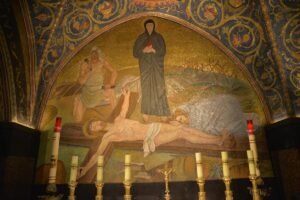
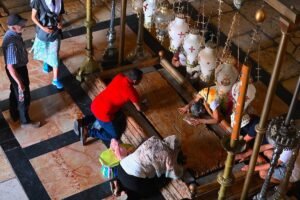
Station XIII – Jesus is taken down from the cross
The Stone of Anointing commemorates when His body was prepared for burial.

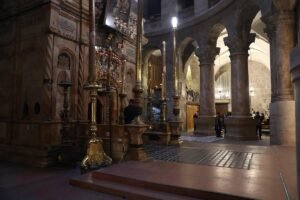
Station XIV – Jesus is laid in the tomb
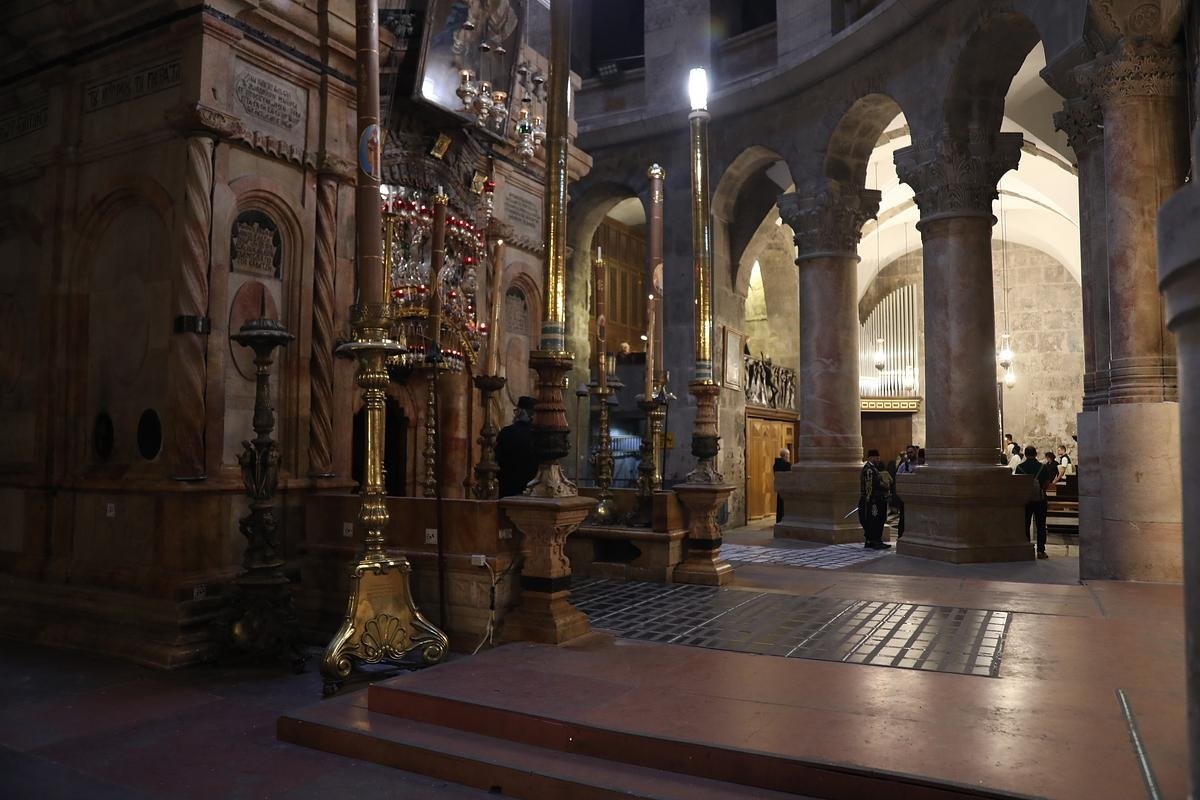
The Holy Sepulchre itself marks the burial site and the place of the Resurrection.

Visitor Information

  • Location: Starts at Lion’s Gate, ends at Church of the Holy Sepulchre, Old City, Jerusalem
  • Best Time to Visit: Friday afternoon for the Franciscan procession; early morning for quieter reflection.
  • Admission: Free, open to all.
  •  Suggested Tour Integration: Combine with a full Old City walking tour, visiting the Holy Sepulchre, Christian Quarter markets, and Mount of Olives.
Your Attractive Heading