Garden of Gethsemane & Church of All Nations – A Place of Agony and Prayer

Among Jerusalem’s oldest olive trees and a solemn basilica, Gethsemane recalls Christ’s agony and prayer before His Passion.

Overview

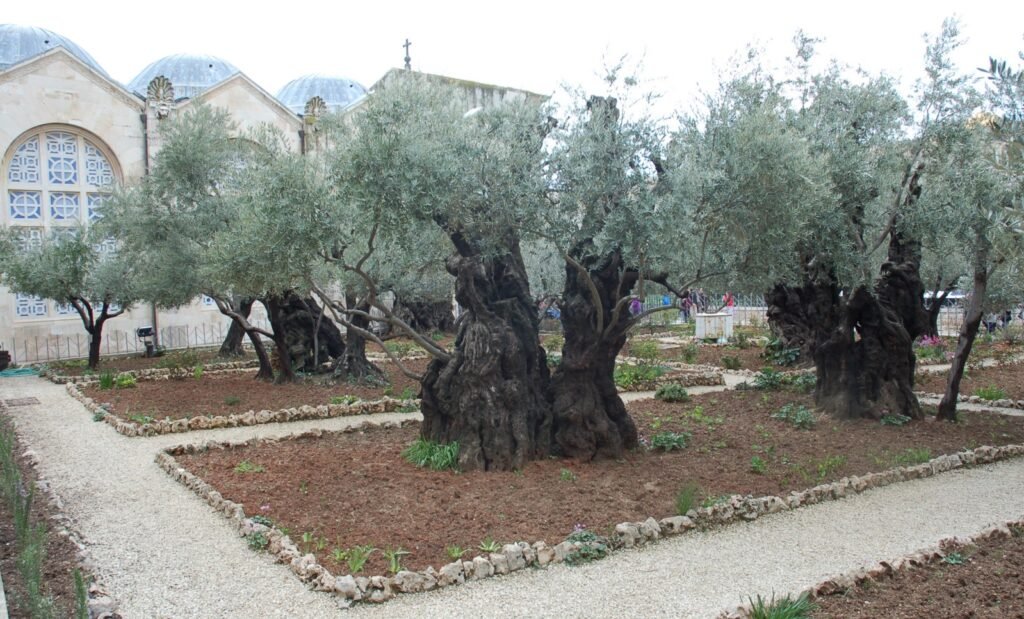
At the foot of the Mount of Olives, across the Kidron Valley from Jerusalem’s Old City, lies the Garden of Gethsemane, one of Christianity’s most sacred sites. Here, under the shade of ancient olive trees, Jesus prayed on the night of His arrest, entering into profound agony (Luke 22:39–46). Next to the garden stands the striking Church of All Nations, also known as the Basilica of the Agony, built between 1919 and 1924 with contributions from 12 countries.

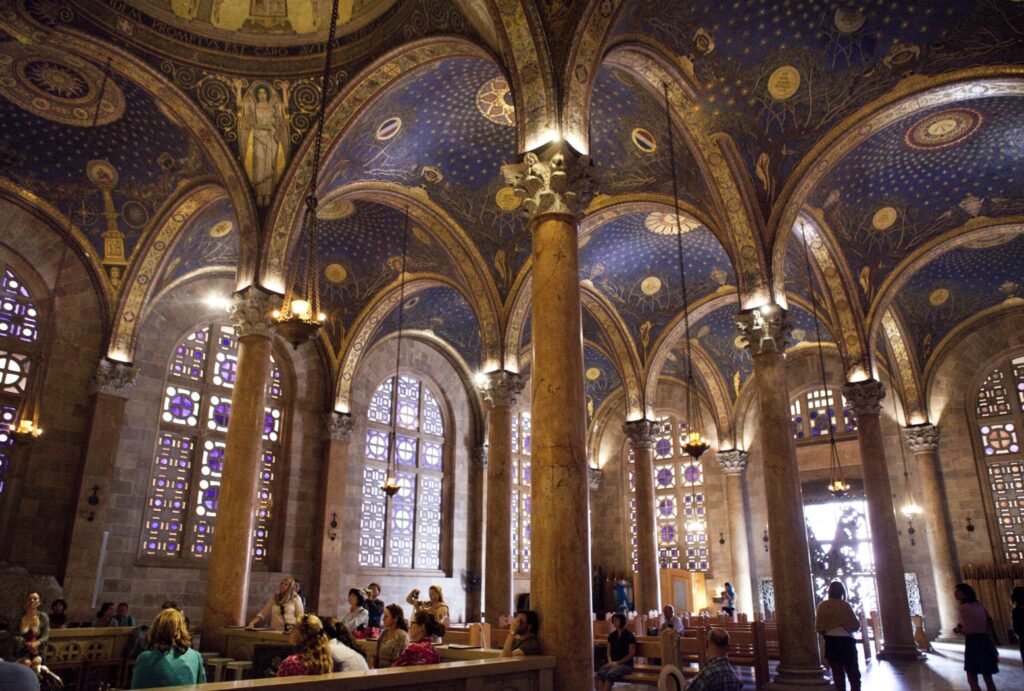
Inside the church, the atmosphere is dim and contemplative, with a rocky outcrop before the altar believed to be the very place where Jesus prayed. Its beautiful mosaic façade and purple-hued interior create a sense of solemn devotion, making it a central stop for pilgrims.

Spiritual & Cultural Significance

For Christians, Gethsemane embodies themes of prayer, suffering, and surrender. The ancient olive trees, some over 900 years old, are living symbols of endurance and continuity with the biblical narrative. The site invites pilgrims to reflect on Jesus’ humanity and His submission to God’s will.

The Church of All Nations carries a global character, its name reflecting the international effort to build it. The church’s mosaics depict scenes of Christ’s agony, betrayal, and ultimate acceptance of His passion, underscoring its central role in the Easter story.

Culturally, the site reflects Jerusalem’s universal significance: people of all nations and backgrounds gather here in prayer, echoing the message of unity in suffering and hope.

Highlights & Experiences

Pray among the ancient olive trees in the Garden of Gethsemane.

Enter the Church of All Nations, with its solemn mosaics and purple light
.
See the Rock of Agony, the place linked to Jesus’ prayer before His arrest.

Admire the international character of the basilica, built with global contributions.

Experience a powerful moment of reflection, central to the Holy Week narrative

Visitor Information

  • Location: Foot of the Mount of Olives, across the Kidron Valley, Jerusalem
  • Hours: Daily, 8:00 am–12:00 pm; 2:00–6:00 pm
  • Admission: Free, donations welcome
  • Contact: Tel: +972 2-626-6450
  • Suggested Tour Integration: Visit after Dominus Flevit on the Mount of Olives walk, then continue to the Church of St. Mary Magdalene nearby.