Overview
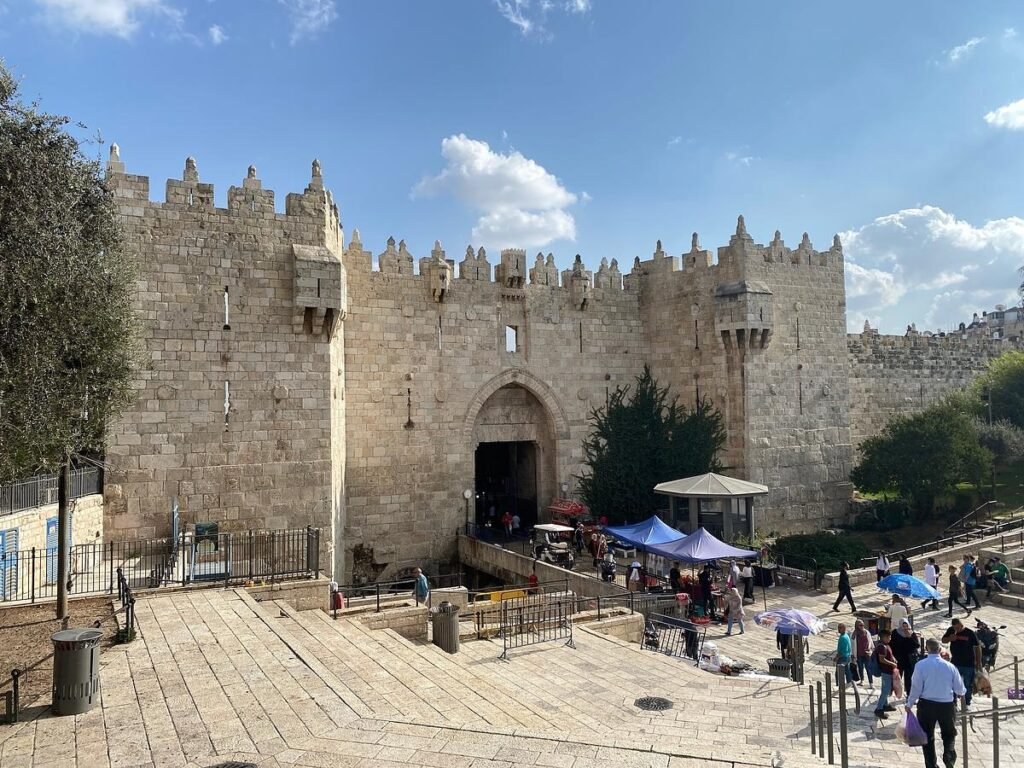
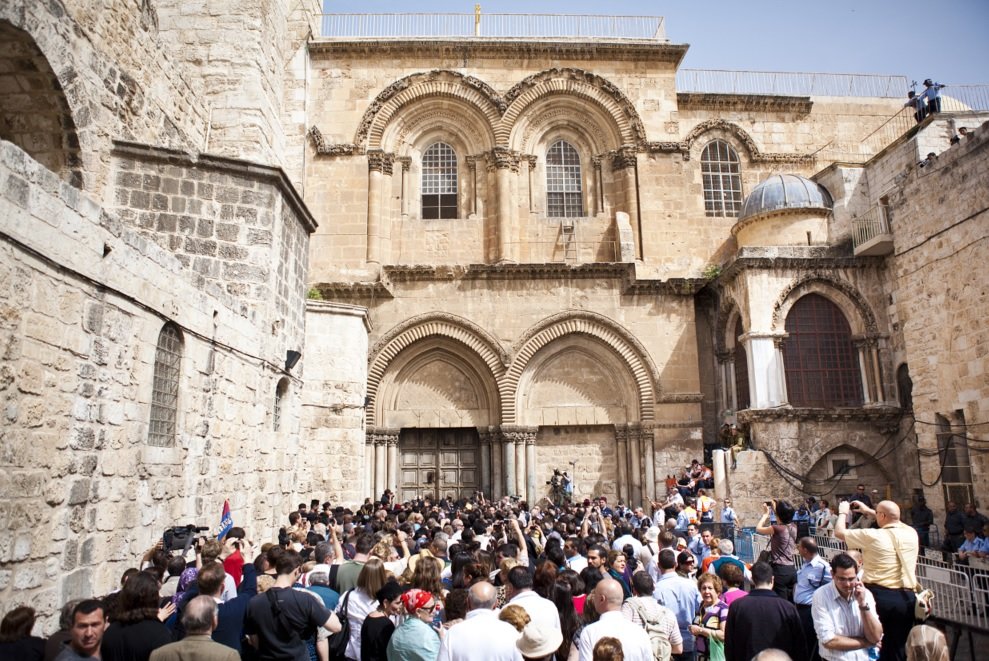
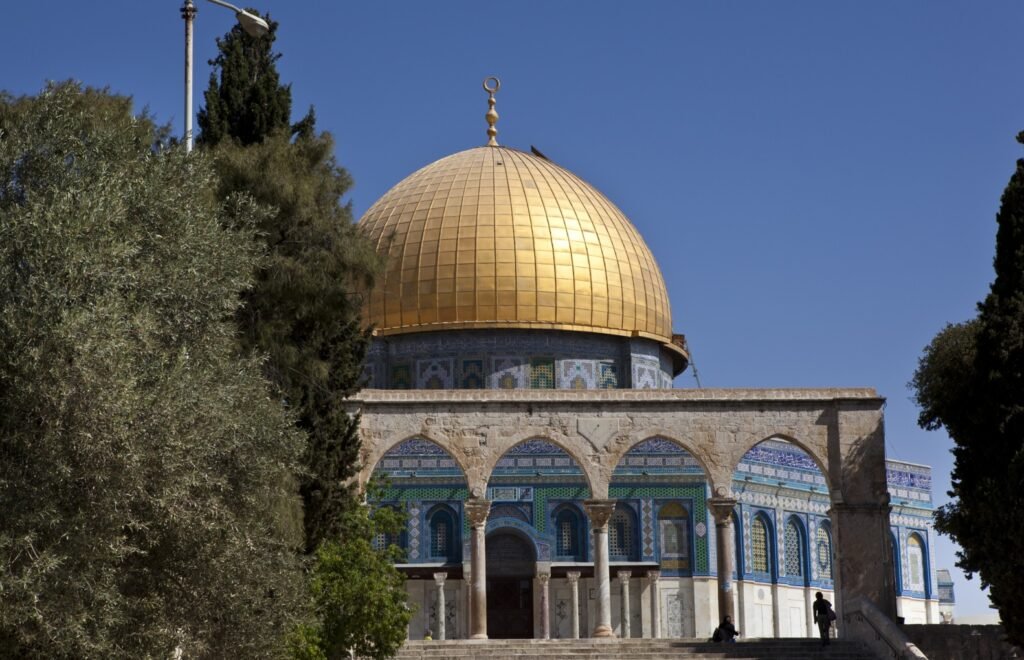
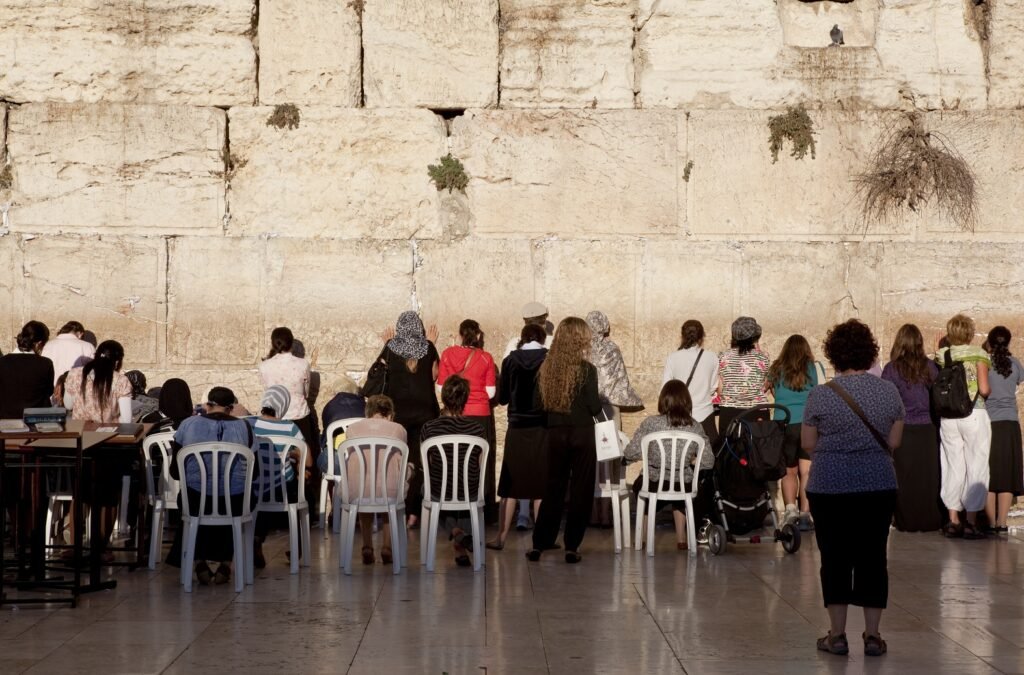
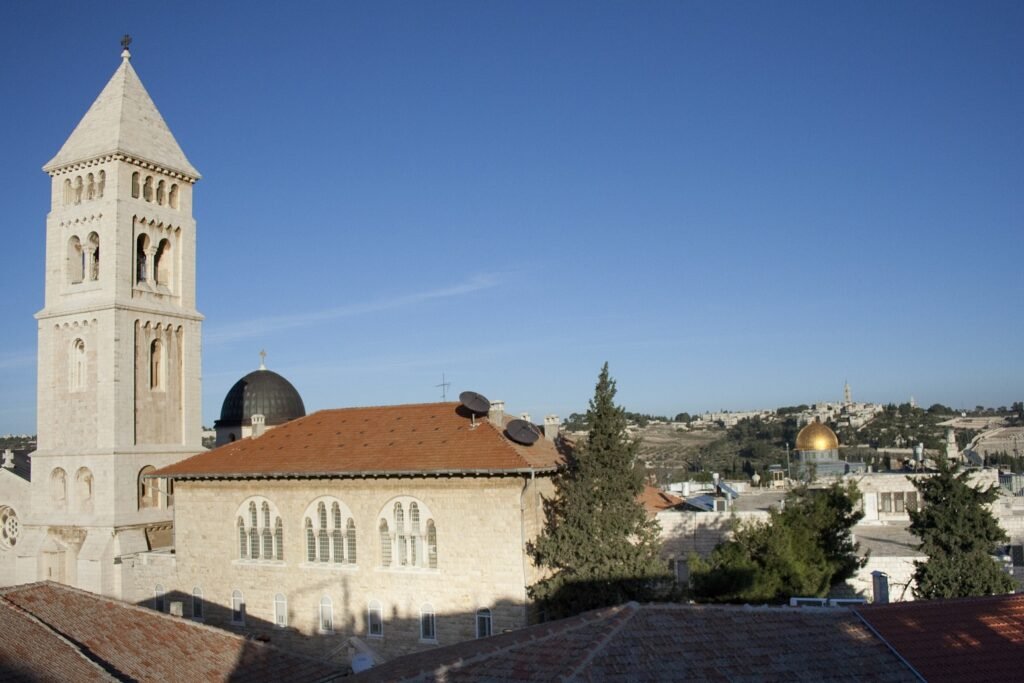
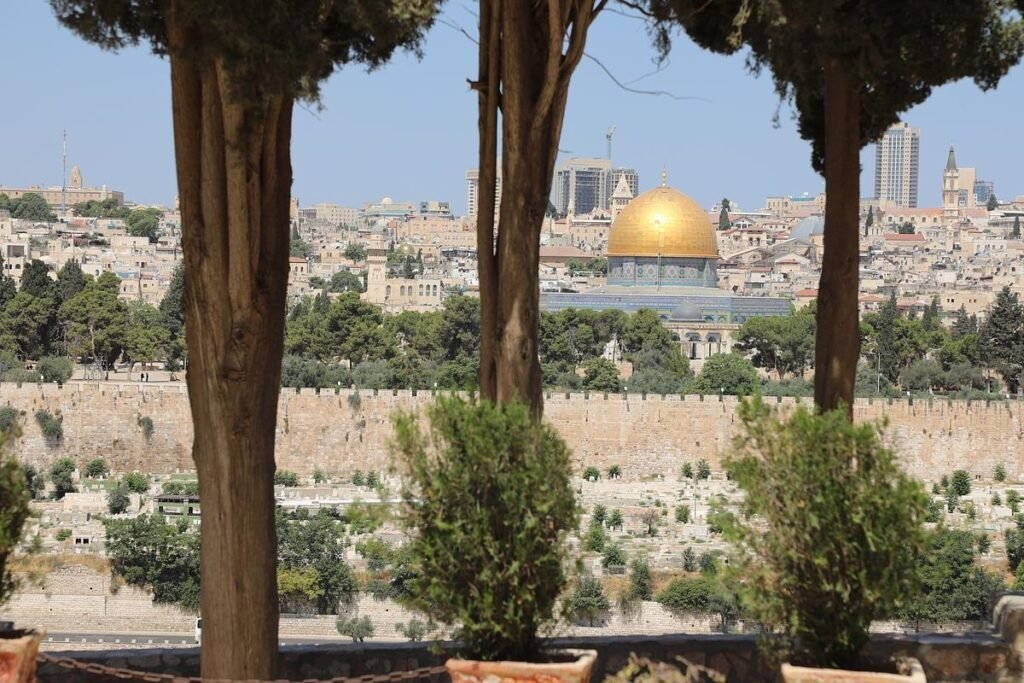
Encircled by its iconic Ottoman walls, the Old City of Jerusalem is a living mosaic of faith, culture, and history. Within less than one square kilometer, it contains some of the most sacred sites in the world — the Western Wall, the Church of the Holy Sepulchre, and the Al-Aqsa Mosque with the Dome of the Rock. Divided into the Jewish, Christian, Muslim, and Armenian Quarters, its narrow alleys, bustling markets, and centuries-old homes reflect the city’s diverse and layered identity.
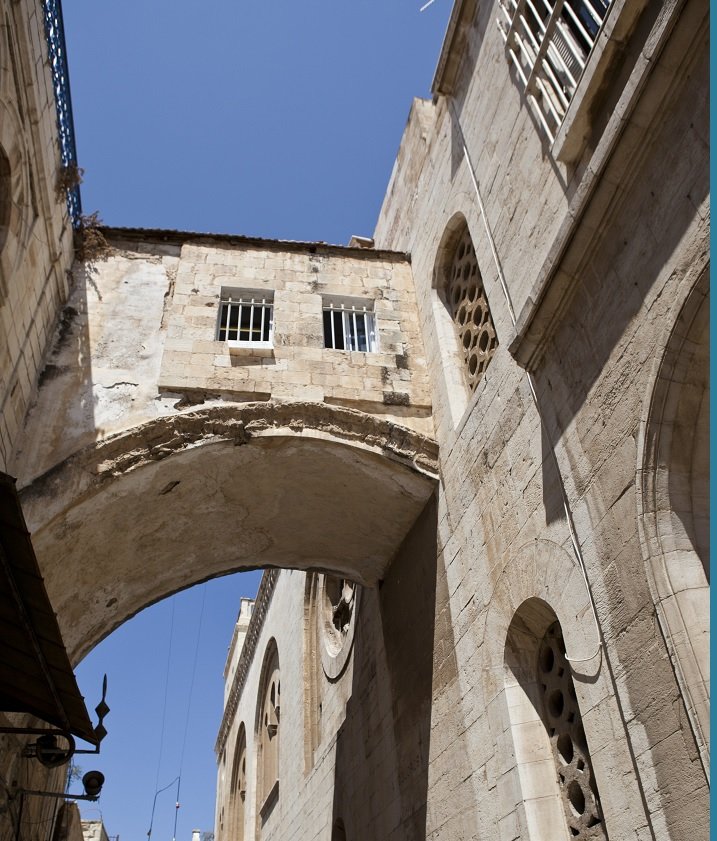
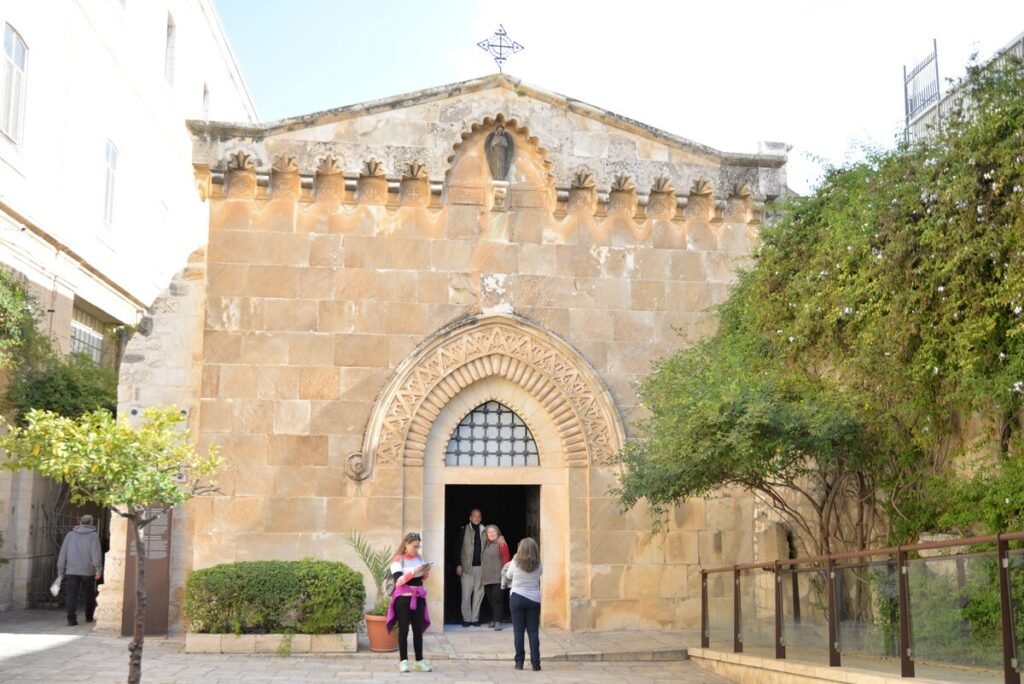
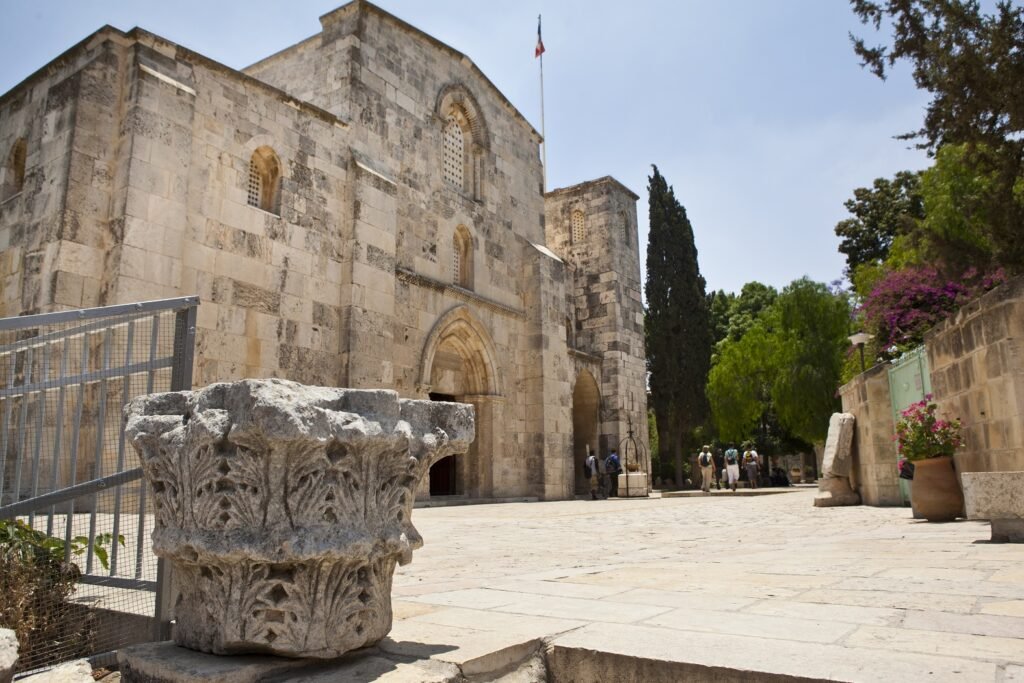
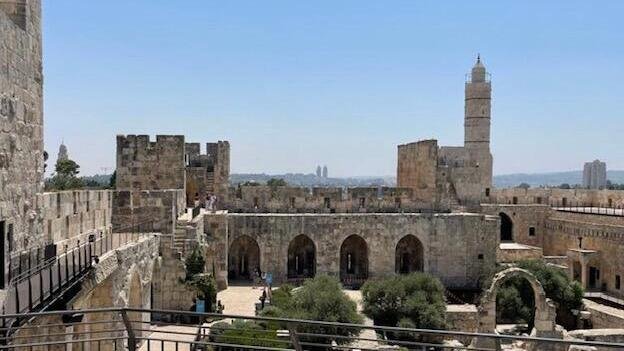
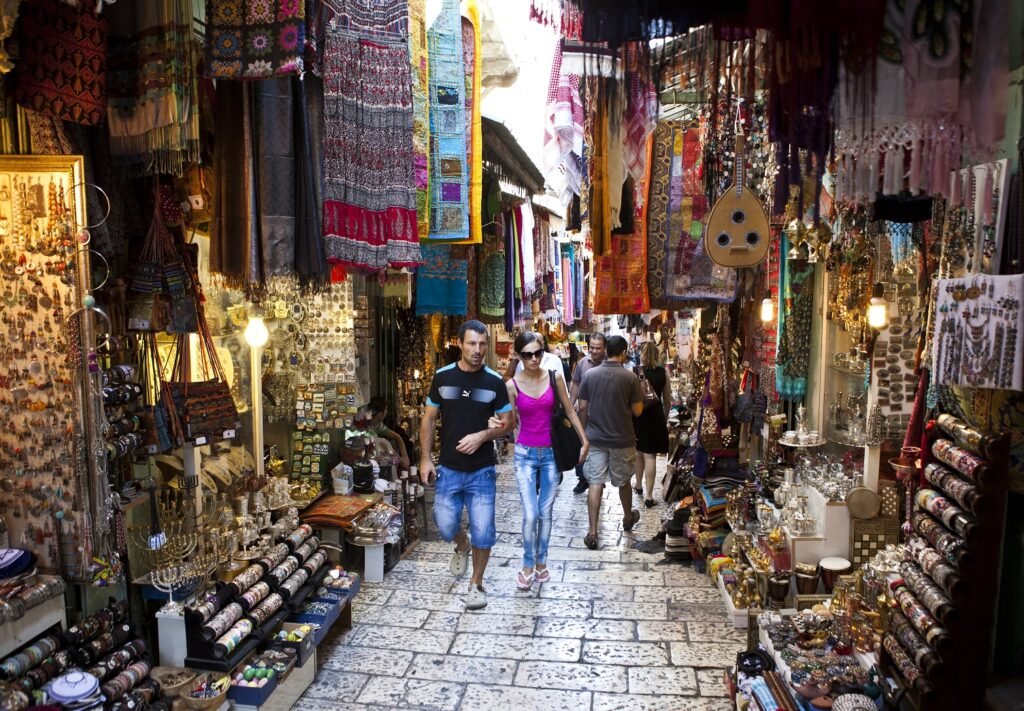
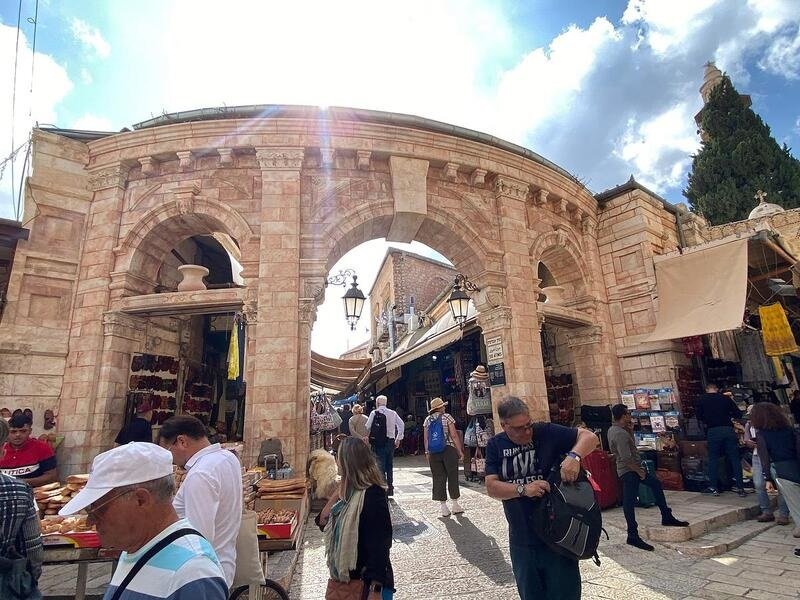
Walking through the Old City is a journey through time. Roman arches, Crusader churches, Mamluk fountains, and Ottoman gates coexist with vibrant souqs where shopkeepers sell spices, textiles, and souvenirs. Every stone bears witness to millennia of devotion, conflict, and coexistence.
Spiritual & Cultural Significance
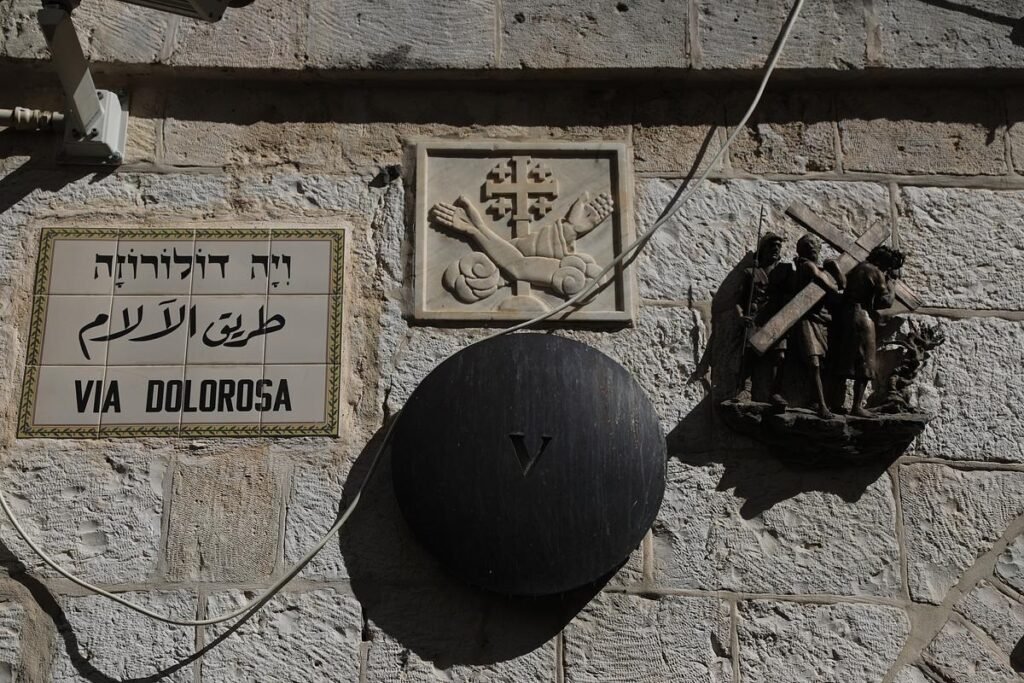
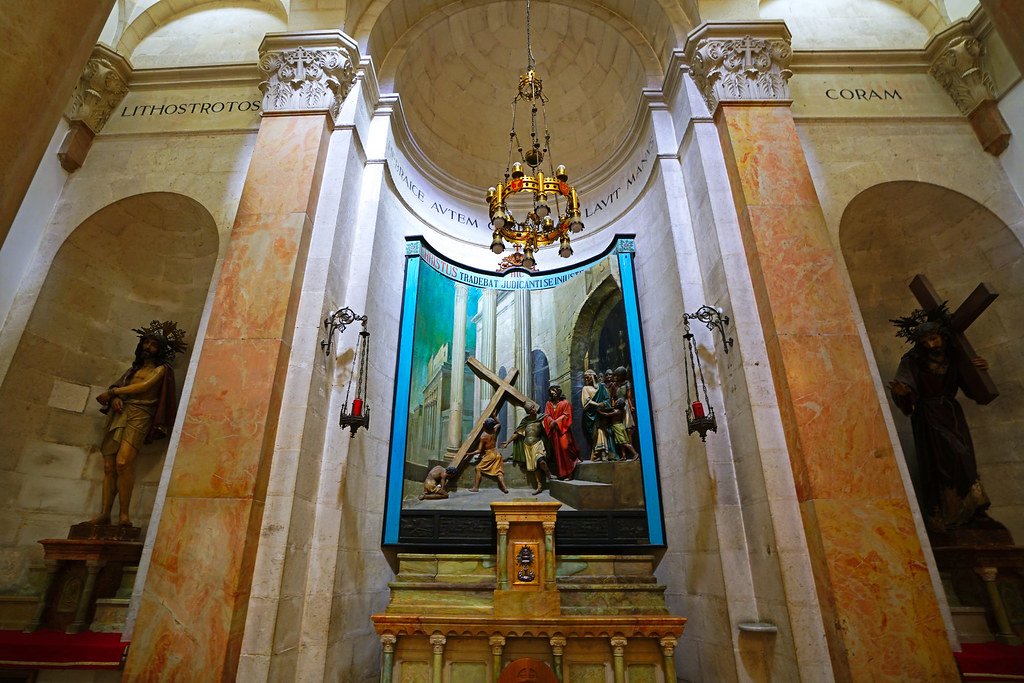
The Old City is revered across Judaism, Christianity, and Islam. For Jews, it is home to the Temple Mount and the Western Wall, remnants of the Second Temple and the focus of prayer and longing. For Christians, it holds the path of the Via Dolorosa and the site of Jesus’ crucifixion and resurrection. For Muslims, it encompasses the Haram al-Sharif, from where the Prophet Muhammad is believed to have ascended to heaven during the Night Journey.
Culturally, the Old City is not only a sacred space but also a vibrant urban community. Generations of families live within its walls, preserving traditions while adapting to modern realities. Festivals, processions, and daily life intertwine, offering visitors a unique immersion into Jerusalem’s heart.
The Four Quarters of Jerusalem’s Old City
The Old City of Jerusalem is divided into four historic quarters, each with its own character, traditions, and living heritage. Walking through them feels like moving between worlds, yet together they form a single vibrant heart that has pulsed for centuries.
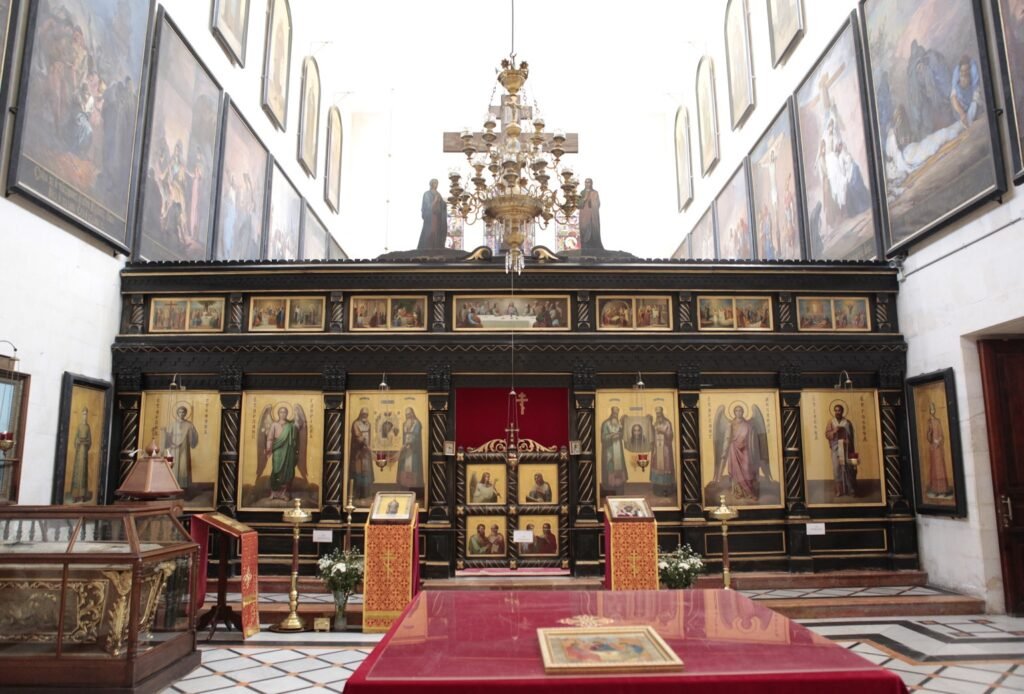
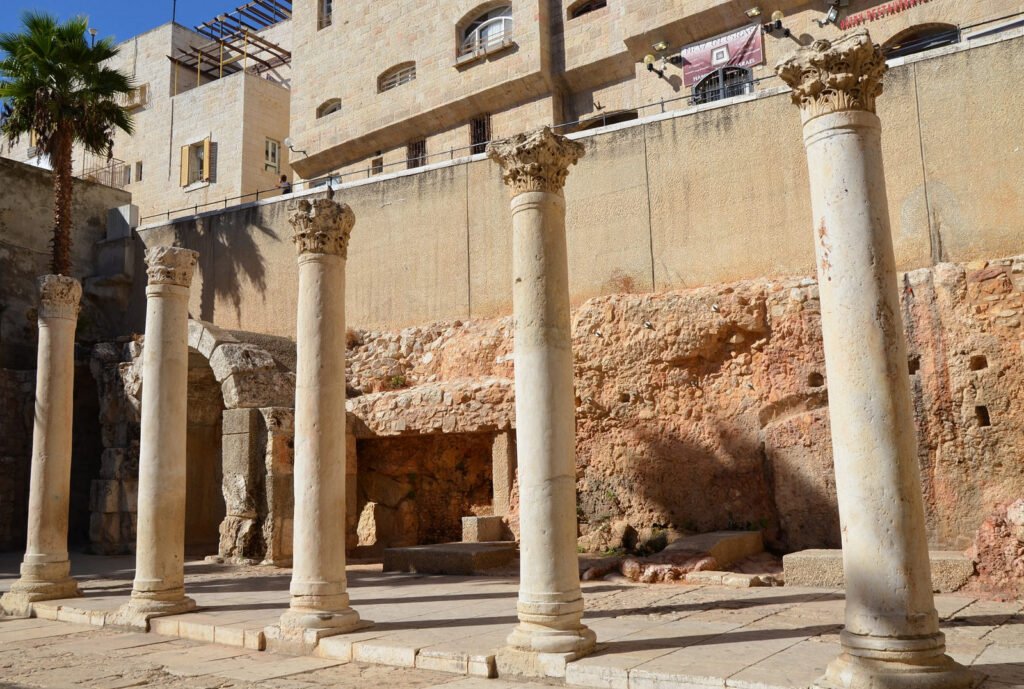
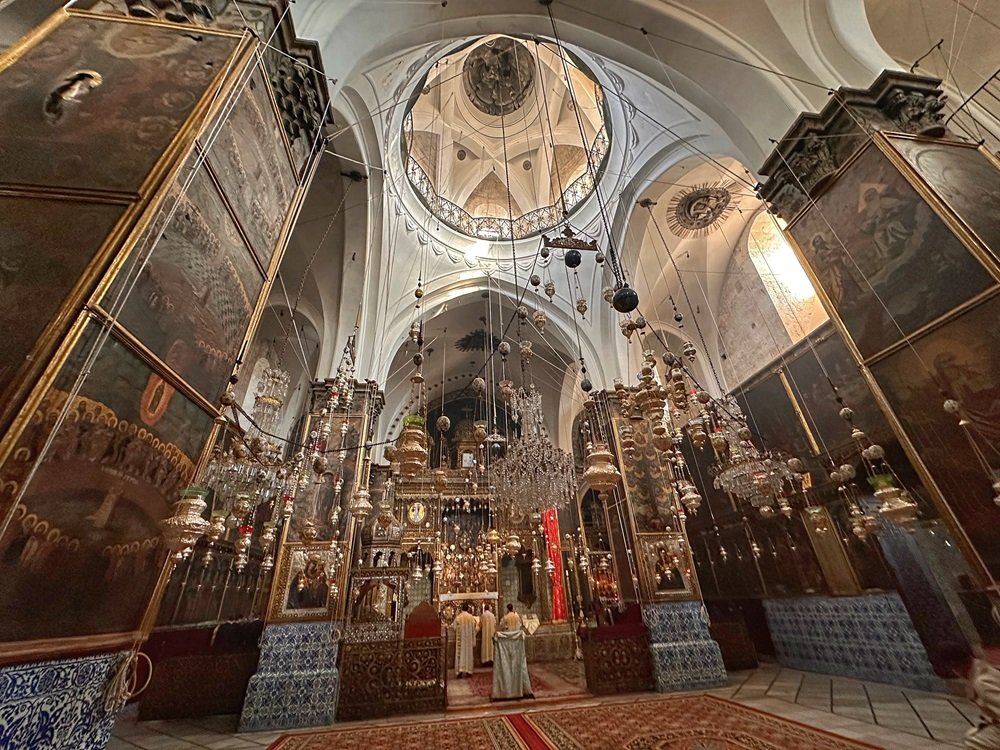
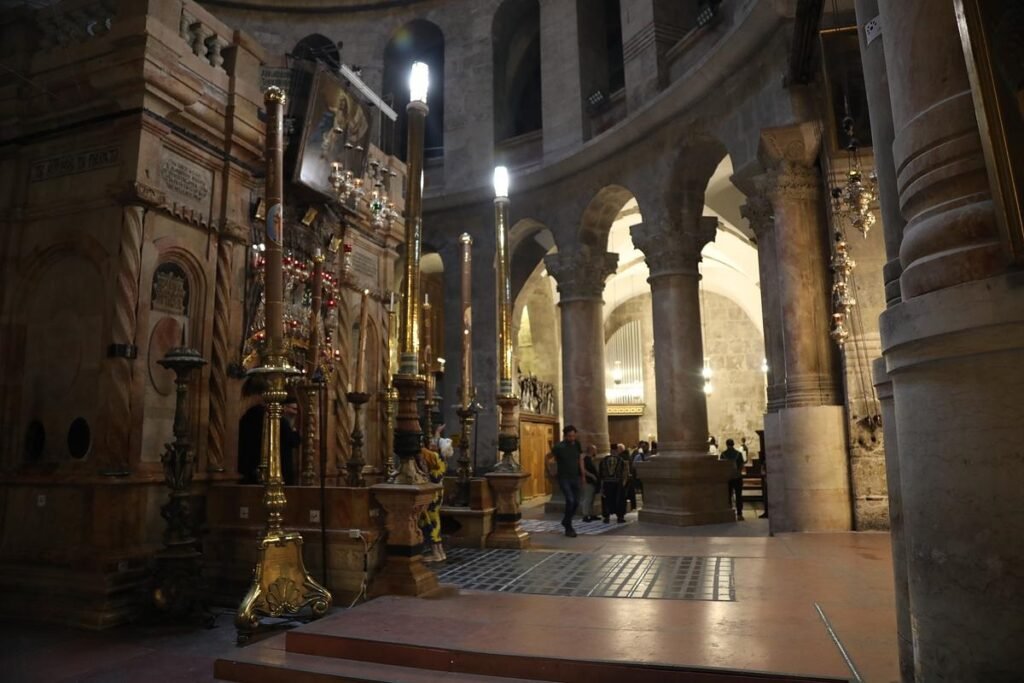
The Christian Quarter is home to the Church of the Holy Sepulchre, winding streets lined with pilgrim hostels, and markets selling crosses, rosaries, and icons. The Muslim Quarter is the largest and most bustling, with lively souqs, schools, mosques, and family homes, where daily life blends seamlessly with sacred landmarks like the Via Dolorosa. The Jewish Quarter, rebuilt after 1967, combines ancient ruins like the Cardo with modern synagogues and access to the Western Wall. Finally, the Armenian Quarter, the smallest, is a quiet enclave preserving the traditions of one of the world’s oldest Christian communities.
Sites and Attractions in the Old City