Overview
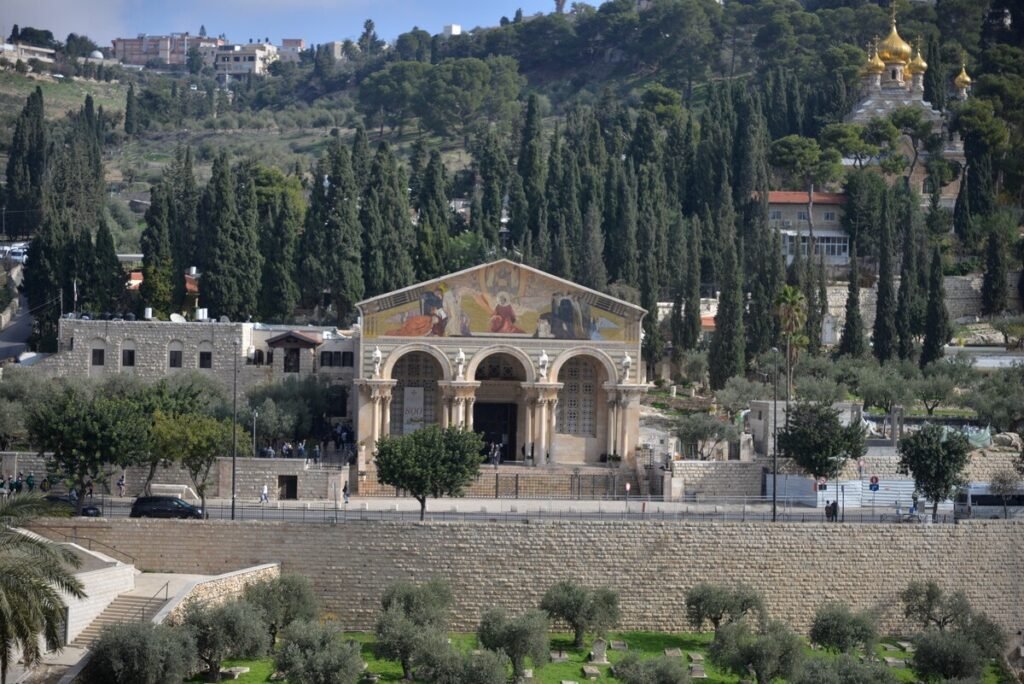
The Mount of Olives, rising to the east of Jerusalem’s Old City, is one of the most iconic and spiritually significant places in the Holy Land. From its summit, visitors are treated to sweeping views across the Old City walls, the Dome of the Rock, and the valleys stretching toward the Dead Sea. For millennia, the mount has been closely linked with faith, history, and prophecy, making it a pilgrimage destination for Jews, Christians, and Muslims alike.
The slopes of the Mount of Olives are dotted with ancient olive trees, churches, monasteries, and one of the world’s oldest continuously used Jewish cemeteries. In Christian tradition, it is associated with key events in the life of Jesus, including His teaching of the Lord’s Prayer, His weeping over Jerusalem, and His agony in the Garden of Gethsemane. In Jewish and Islamic traditions, the mount is linked to messianic and end-time prophecies, further reinforcing its role as a sacred landscape.
Spiritual & Cultural Significance
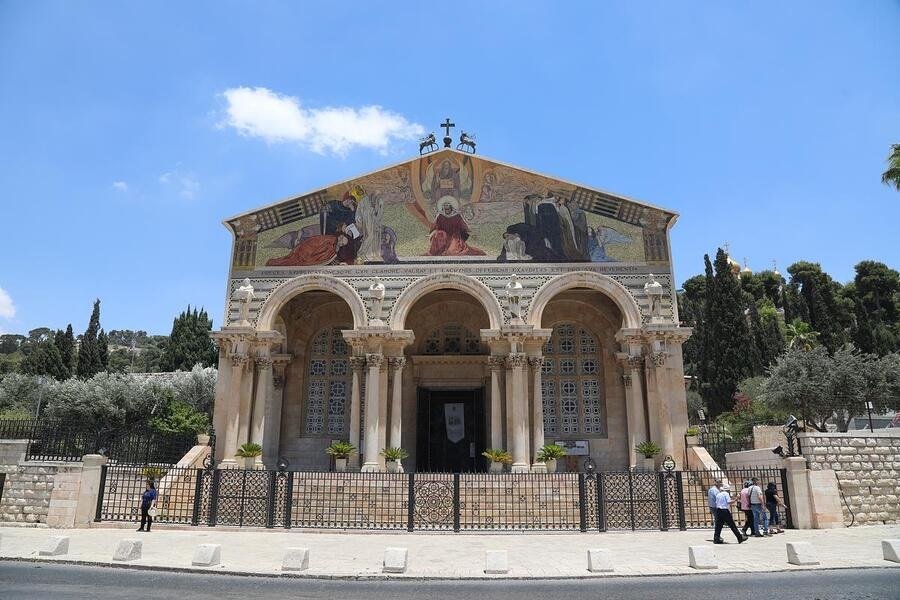
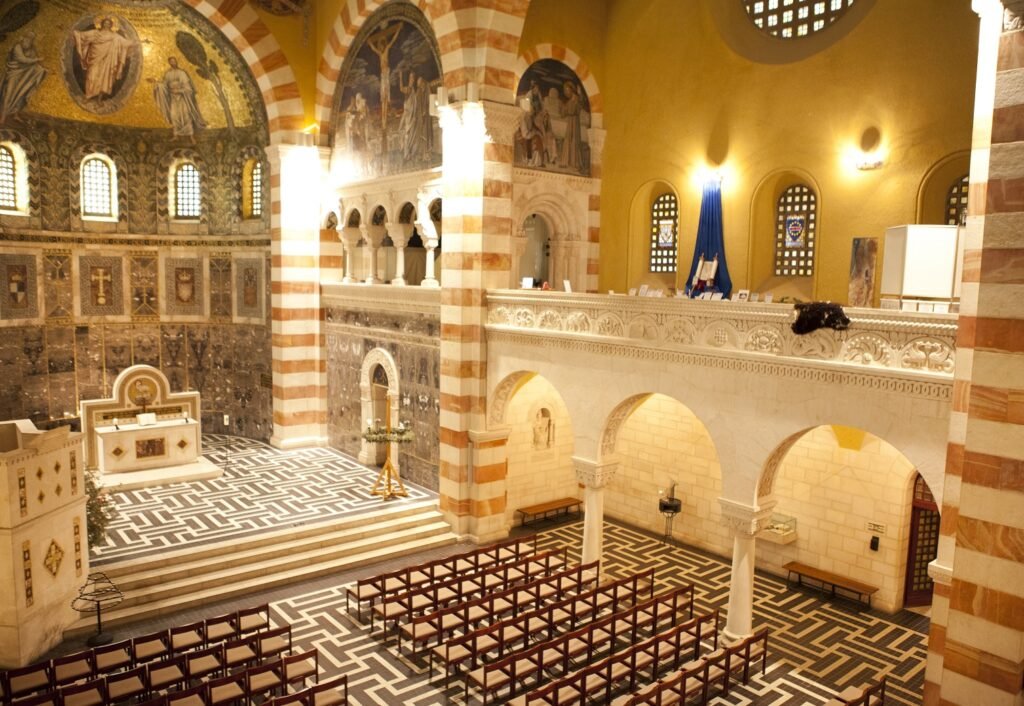
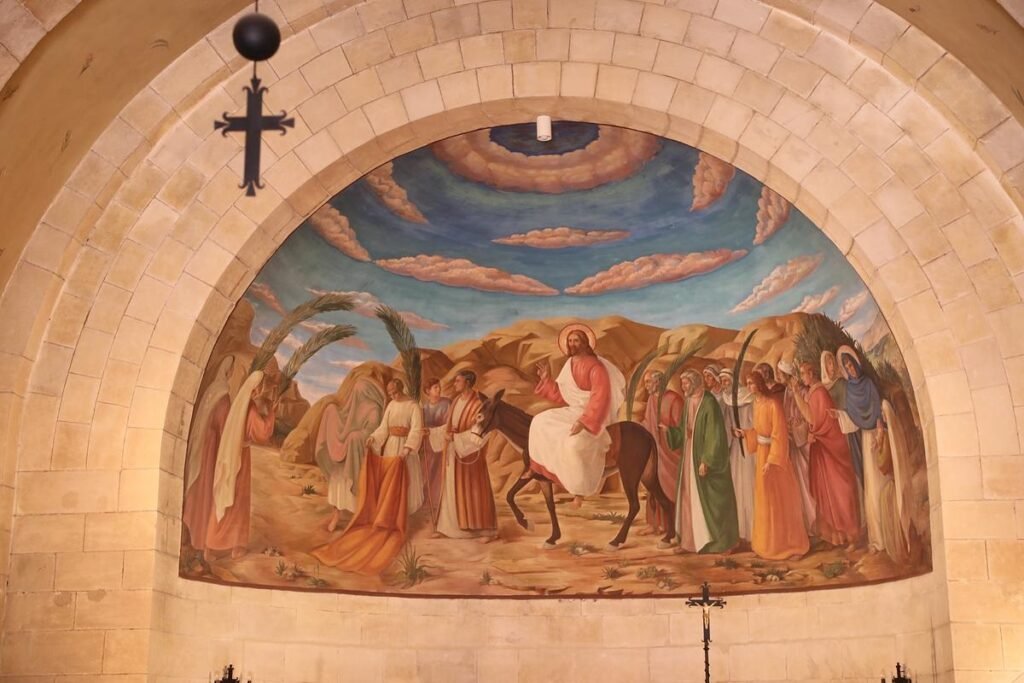
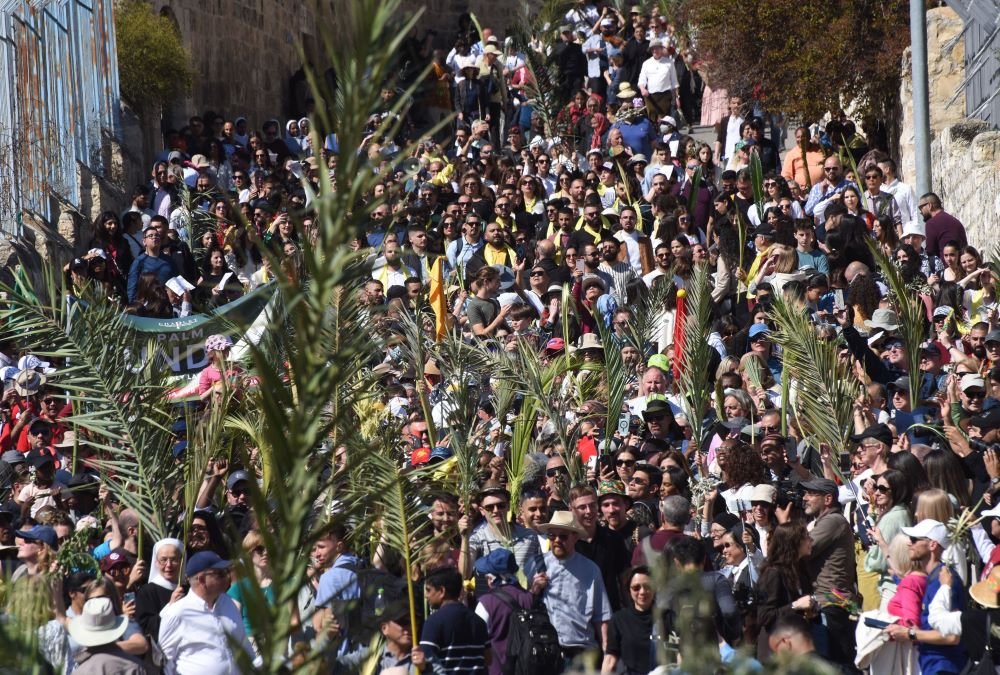
The Mount of Olives carries deep symbolic weight across three faiths. For Christians, it is the setting of Jesus’ triumphal entry into Jerusalem, His prayer in Gethsemane, and His ascension into heaven. Several churches and chapels commemorate these events, including the Chapel of the Ascension, Pater Noster Church, Dominus Flevit, and the Church of All Nations.
For Jews, the mount’s ancient cemetery — in continuous use for over 3,000 years — is a sacred burial place. Many believe it will be the site of resurrection when the Messiah comes. For Muslims, traditions also tie the mount to the Day of Judgment and the final gathering of humanity.
Sites and Attractions on the Mount of Olives