Old City Souqs – Jerusalem’s Living Markets

Jerusalem’s Old City souqs blend Crusader-era markets, medieval alleys, and vibrant trade still alive today.

Overview

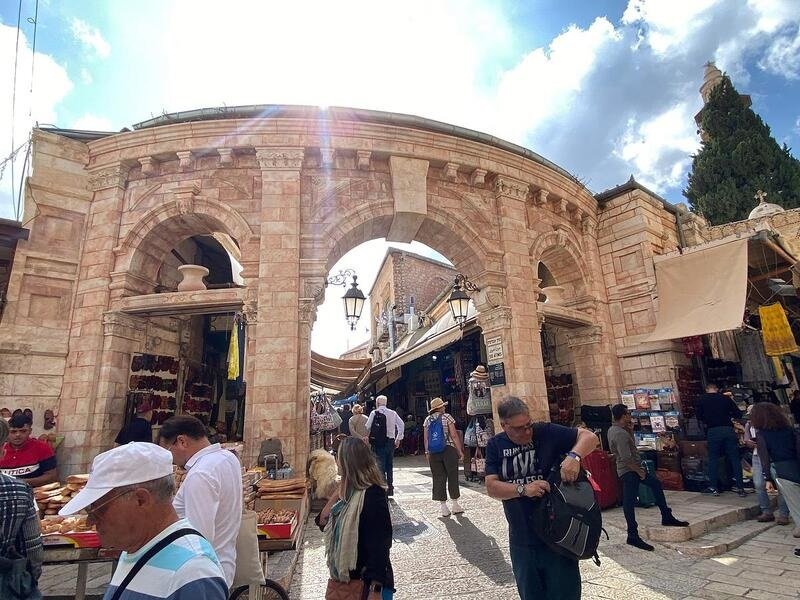
The souqs of Jerusalem’s Old City are among the most atmospheric places to explore, where history and daily life come together in a maze of vaulted alleys. Dating back to Byzantine and Crusader times, these markets once served pilgrims, merchants, and local residents.

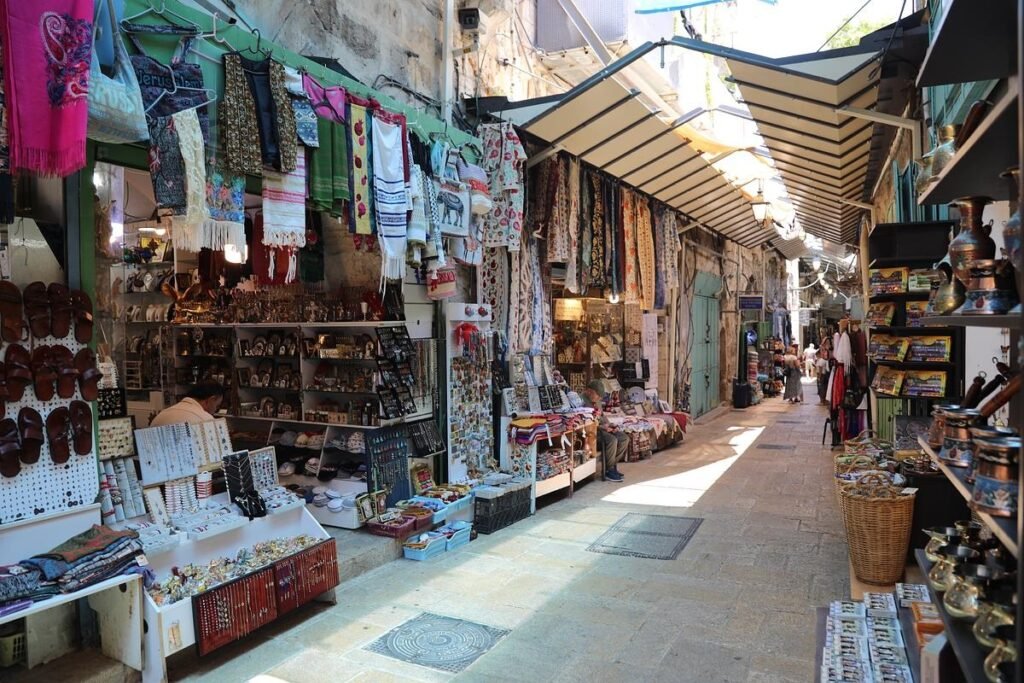
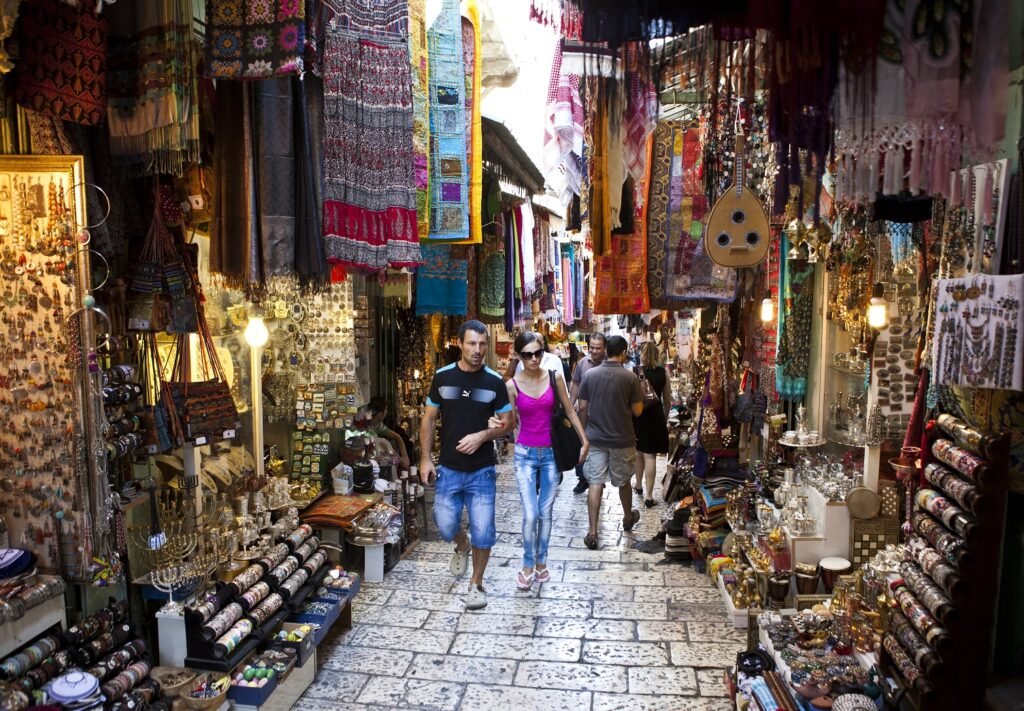
Today, they remain the beating heart of the Old City, filled with shops selling spices, textiles, jewelry, ceramics, olive wood, sweets, and everyday necessities. Walking through the souqs is not just shopping — it’s an immersion in centuries of trade, tradition, and community life.

Historical & Cultural Significance

The Old City souqs reflect Jerusalem’s long-standing role as a crossroads of cultures. The Crusader markets — including the Spice Market (Suq al-‘Attarin), the Butcher Market, and the Goldsmith Market — were designed with vaulted stone ceilings and arcades to shelter buyers and sellers. Nearby, the Muristan area, once home to Crusader hospitals and pilgrim hostels, still bustles with small shops and cafes.

The Souq Khan al-Zeit, stretching north from Damascus Gate, has been a central artery for trade since Mamluk times, lined with textiles, household goods, and bakeries. Together, these markets form a living museum of commerce, where medieval architecture and modern life blend seamlessly.

Highlights & Experiences

Stroll through the Spice Market, with its intoxicating aromas of cumin, sumac, saffron, and fresh herbs.
Visit the Butcher Market and Goldsmith Market, Crusader-era vaulted lanes still alive with trade.
Explore the Muristan, near the Church of the Holy Sepulchre, with its mix of shops, cafes, and historic ruins.
Wander the Souq Khan al-Zeit, the Old City’s main commercial artery, stretching toward Damascus Gate.
Shop for handmade crafts, textiles, jewelry, and food, supporting local artisans and families.

Visitor Information

  • Location: Throughout the Old City, especially Christian & Muslim Quarters
  • Hours: Typically 9:00–19:00 daily (closed Friday afternoons and some holidays)
  • Contact: N/A – open public markets
  • Entry: Free
  • Note: Narrow and busy; best to explore on foot with comfortable shoes. Bargaining is common.