Overview
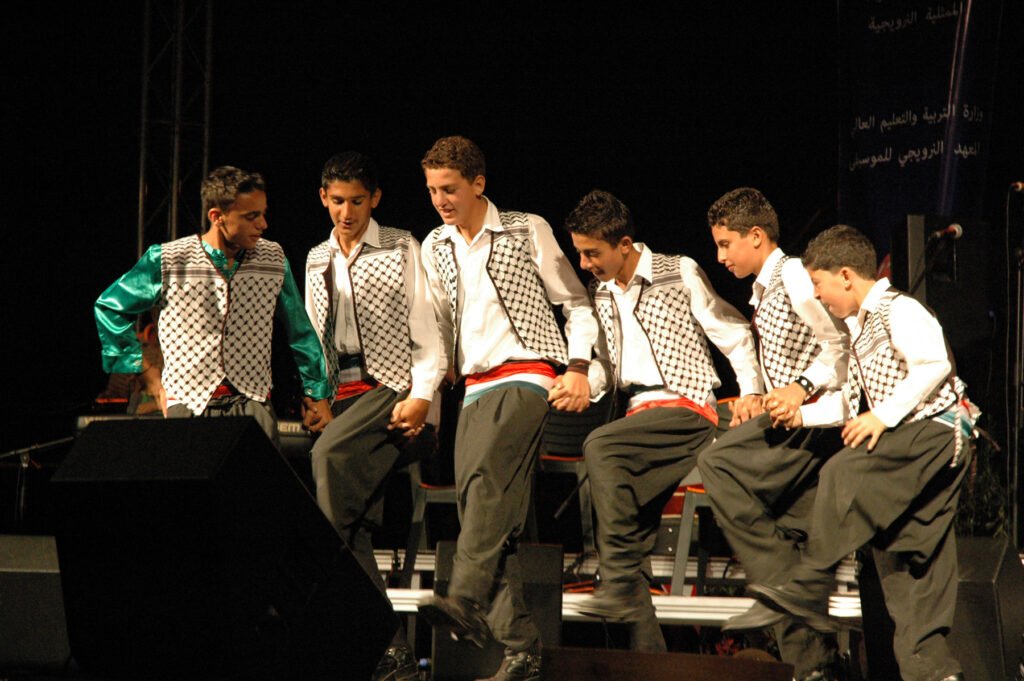
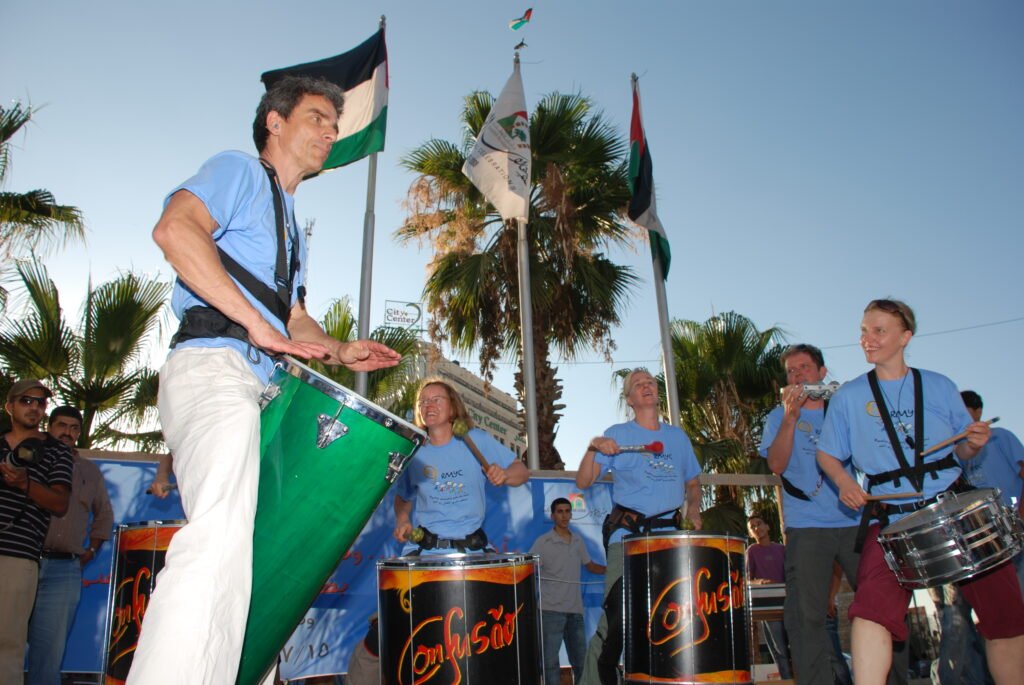
Palestinian festivals bring together music, dance, food, and community in vibrant celebrations of heritage and solidarity. From small village fairs to internationally recognized cultural events, these gatherings showcase resilience and joy. For visitors, festivals are an opportunity to share in local traditions, meet people, and experience Palestinian culture at its most lively and welcoming.
At the same time, these events often carry deep cultural meaning. Many celebrate seasonal cycles such as the olive harvest, while others highlight literature, film, or the arts. Whether in a bustling city or a rural village, festivals reflect Palestine’s creativity and enduring spirit.
The Experience
Each festival offers its own unique atmosphere. In Bethlehem, the Christmas festivities draw pilgrims and visitors from around the world. In Jenin or Ramallah, cultural festivals highlight Palestinian theater, film, and literature. Rural festivals, such as the Artas Lettuce Festival or olive harvest celebrations, bring together entire communities in song, dance, and food.
Visitors are often welcomed to join the celebrations — dancing dabke, sharing meals, or browsing stalls selling crafts and local produce. As a result, festivals are not only events to observe but also immersive experiences where guests become part of the community.
Cultural & Social Significance
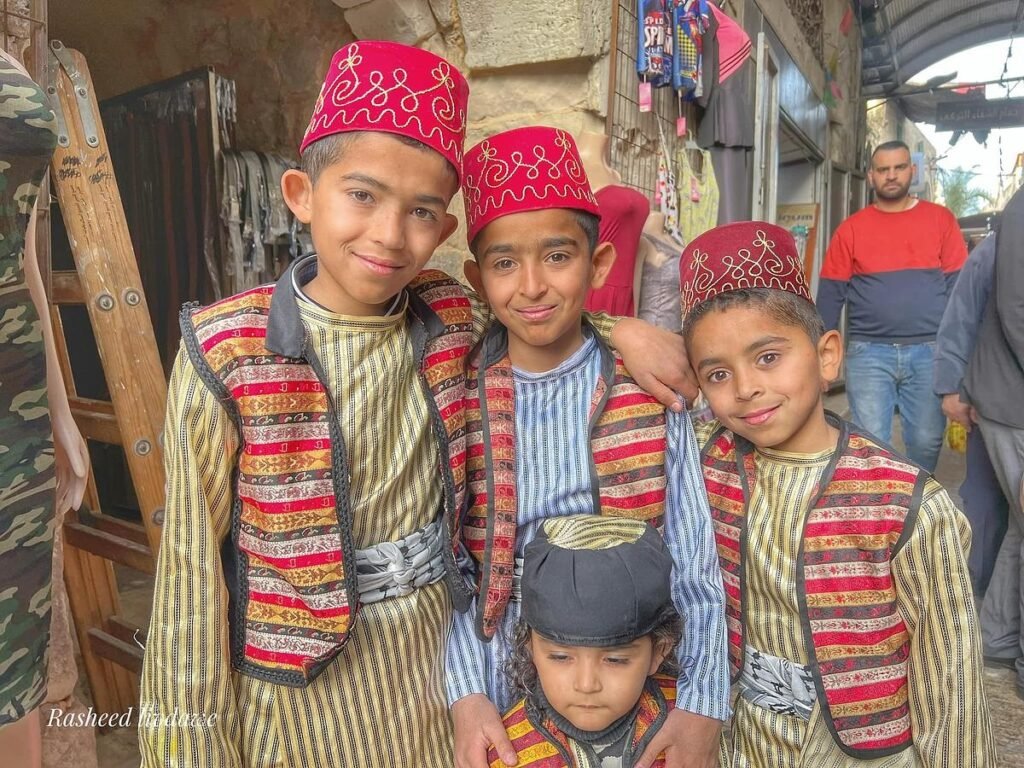
Celebration of Heritage: Festivals preserve traditions of music, dance, food, and folklore.
Community Solidarity: They strengthen social bonds and invite visitors into shared joy.
Cultural Innovation: Events often combine traditional arts with contemporary Palestinian creativity.
Seasonal Rhythms: Many festivals mark agricultural cycles, such as planting and harvest.
Practical Information
Where: Major cities (Bethlehem, Ramallah, Jenin, Jerusalem) and villages such as Artas.
When: Year-round, with highlights at Christmas, Easter, Ramadan, olive harvest season, and summer cultural festivals.
Duration: From one-day village events to week-long city festivals.
Tips: Join with openness — participate in dabke, try local foods, and ask locals about the festival’s meaning.