
Nearby Towns, Villages & Neighborhoods – East Jerusalem
Explore the historic towns, villages, and neighborhoods of East Jerusalem, where faith, heritage, and daily life intertwine on the city’s eastern slopes
East Jerusalem is more than its holy sites within the Old City walls — it is also shaped by the surrounding Palestinian towns, villages, and neighborhoods. From the slopes of the Mount of Olives to the northern and southern hills, these communities reflect centuries of resilience and heritage. Each place has its own identity: Silwan’s deep archaeological roots, Sheikh Jarrah’s cultural life, Bethany’s Gospel associations, and Shuafat’s unique refugee story. Exploring them offers insight into the living fabric of Jerusalem, where tradition, struggle, and hospitality coexist side by side.
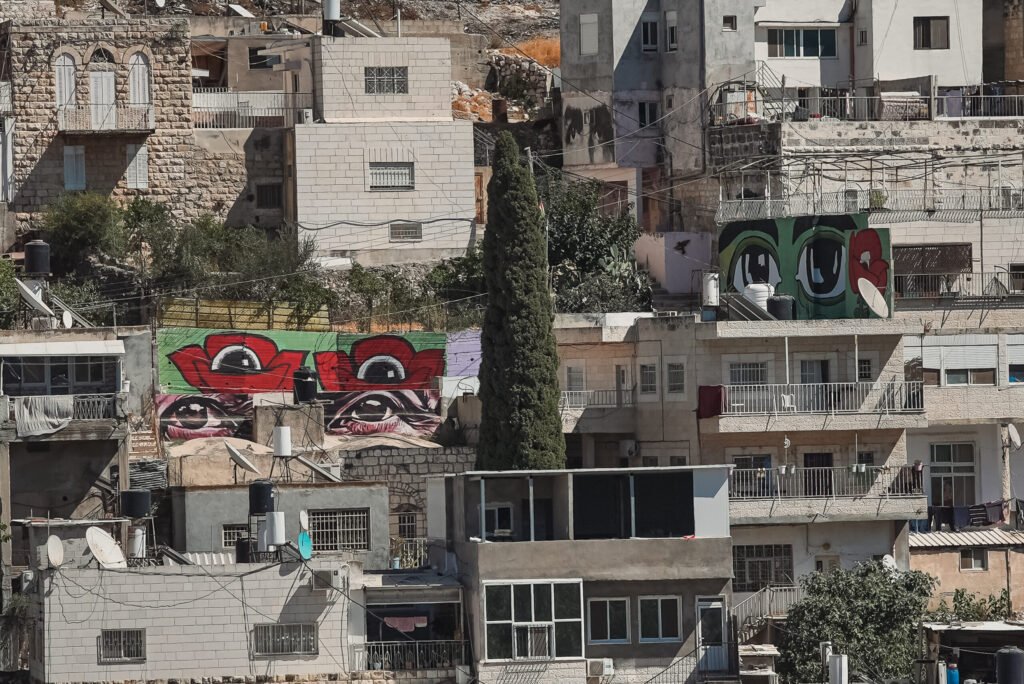
Silwan (Wadi Hilweh)
Silwan lies directly south of the Old City walls, built along the slopes facing the ancient Kidron Valley. Archaeologists have identified this area with biblical Jerusalem, sometimes called the “City of David,” though for its residents, Silwan is first and foremost a vibrant Palestinian neighborhood.
Despite ongoing pressures of settlement expansion, Silwan remains alive with family homes, narrow winding streets, and traditional stone houses. Visitors can glimpse both the neighborhood’s modern reality and its deep historical layers. Exploring Silwan highlights not only Jerusalem’s biblical past but also its present-day challenges and resilience.
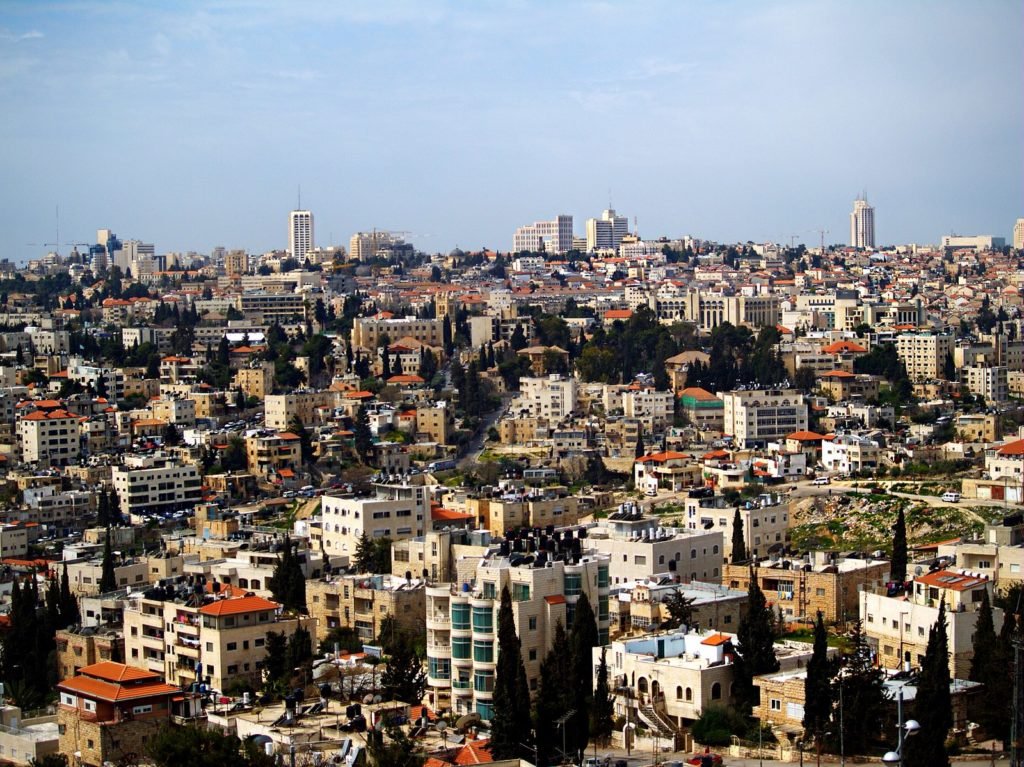
Sheikh Jarrah
Sheikh Jarrah, just north of the Old City, is one of East Jerusalem’s most well-known neighborhoods. In the late Ottoman and Mandate eras, it became a prestigious residential area, with elegant stone houses surrounded by gardens. Today, it is central to the struggle over property rights and displacement, making it a symbol of Palestinian endurance.
At the same time, it is also a living community, home to schools, cultural organizations, and families who maintain its traditions. Walking through Sheikh Jarrah allows visitors to appreciate both its architectural beauty and its significance as a site of cultural identity and resilience.
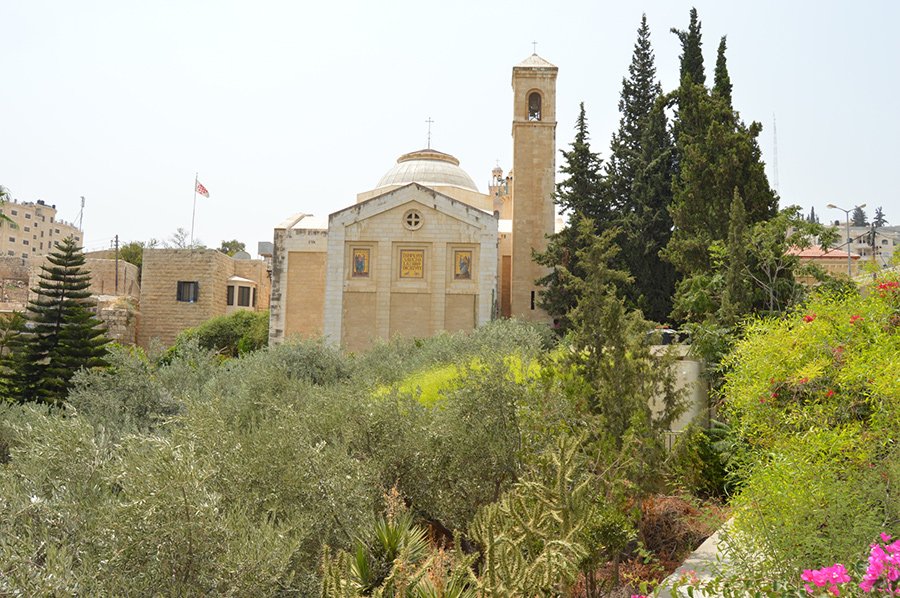
Mount of Olives Communities
The Mount of Olives is not only a site of churches and shrines but also home to several Palestinian communities, including At-Tur, Bethphage, and Al-Eizariya (Bethany). At-Tur stretches across the ridgeline and is known for its bustling main street and local schools. Bethphage is closely tied to the story of Palm Sunday, marked by a Franciscan church.
Just beyond lies Bethany, famous for the Tomb of Lazarus and its welcoming local community. Together, these villages and neighborhoods blend living traditions with some of Christianity’s most important holy places, offering pilgrims and visitors a deeper encounter with faith and daily life.
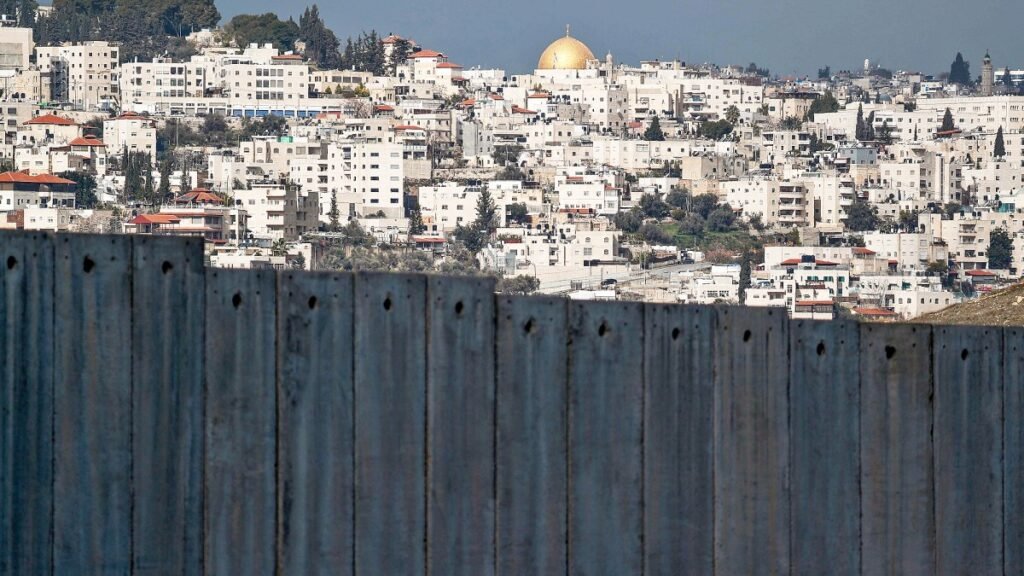
Abu Dis
Abu Dis sits on the eastern outskirts of Jerusalem, where the city meets the desert hills. Historically a village, it has grown into a bustling town while retaining its traditional character. Abu Dis is home to Al-Quds University, the largest Palestinian university in Jerusalem, making it a center for education and student life.
Visitors can see its mosques, shops, and lively neighborhoods, while also catching impressive views across to the Old City. Despite the separation barrier that divides it from Jerusalem, Abu Dis remains a symbol of Palestinian academic achievement and community vitality.
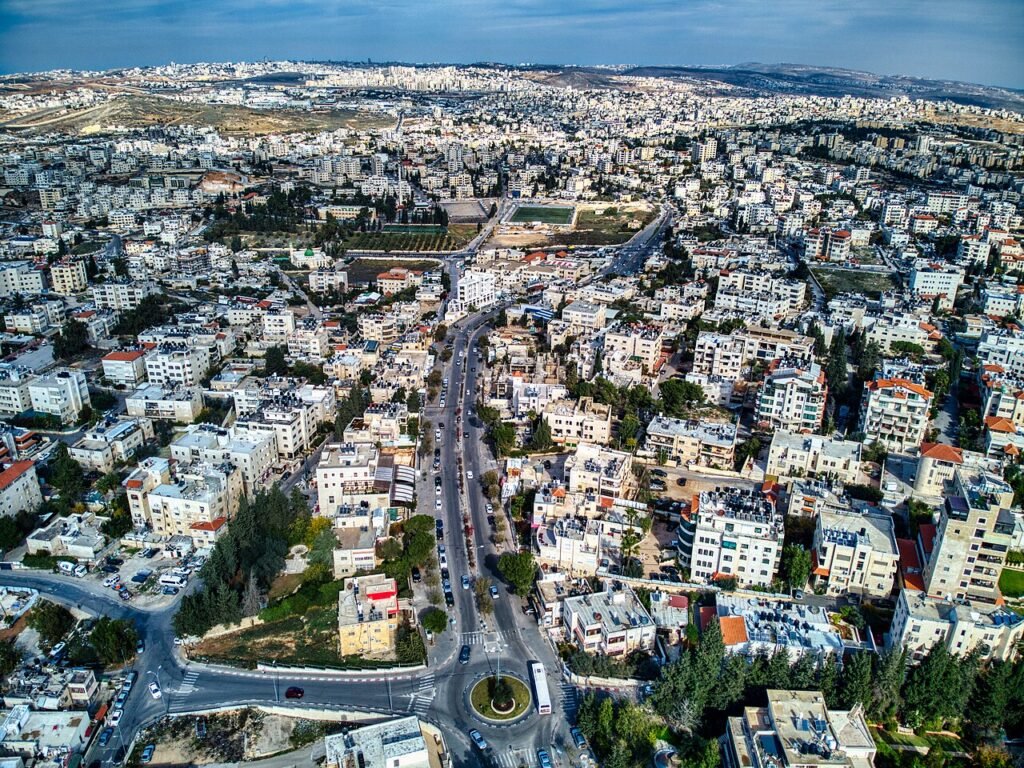
Beit Hanina
Beit Hanina, north of Jerusalem, is a community that combines historic village roots with modern development. It has become one of the main residential areas for Palestinians in East Jerusalem, home to professionals, schools, and businesses. Despite urban pressures, Beit Hanina retains traces of its past through traditional homes and agricultural land on its outskirts.
For visitors, it offers a glimpse of Palestinian daily life away from tourist crowds. It also serves as a reminder that East Jerusalem is not just sacred stones and monuments but a living city, where families and communities thrive amid ongoing challenges.
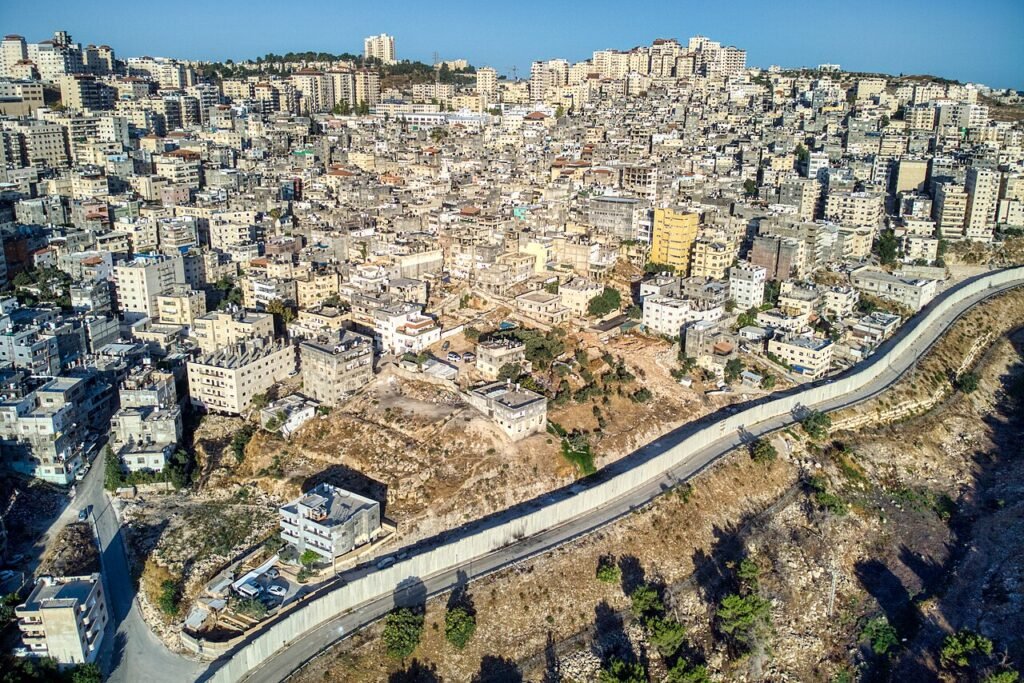
Shuafat & Shuafat Refugee Camp
Shuafat, located to the northeast of Jerusalem, is a large Palestinian neighborhood that also contains the only refugee camp within Jerusalem’s municipal boundaries. Established in 1965, Shuafat Refugee Camp is home to thousands of Palestinians displaced in 1948 and their descendants. Despite overcrowding and difficult conditions, it has developed into a community with markets, schools, and youth initiatives.
The wider Shuafat area outside the camp includes residential neighborhoods with shops, mosques, and cultural spaces. Visiting or learning about Shuafat highlights both the challenges of displacement and the resilience of daily Palestinian life in Jerusalem.
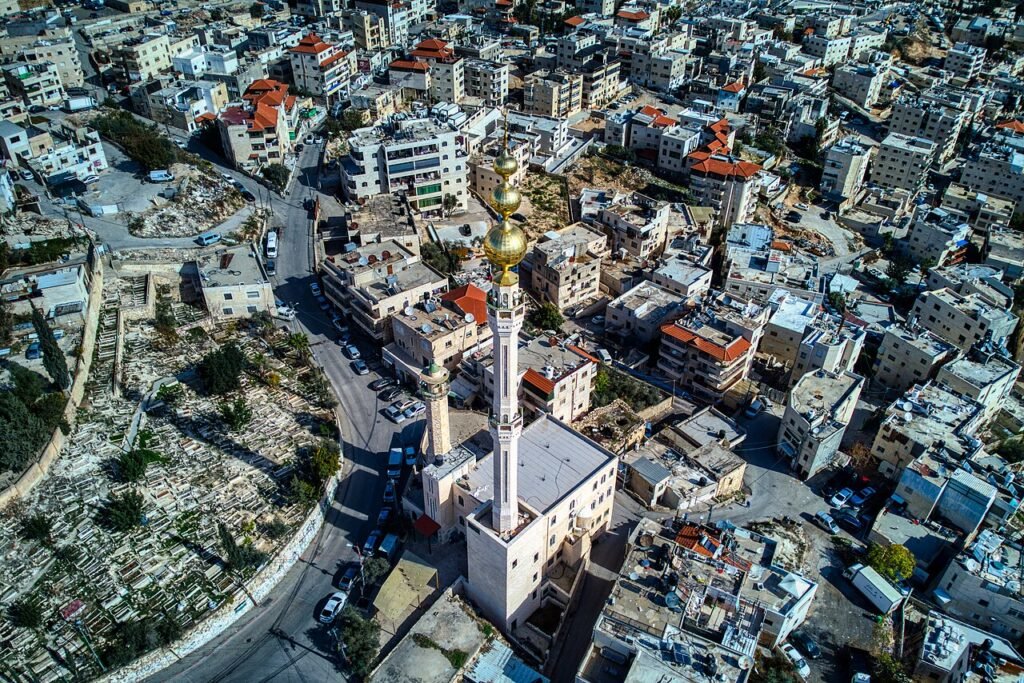
Isawiya
Isawiya is a hillside community on the slopes of Mount Scopus, just east of the Hebrew University campus. Originally a village, it has grown into a dense neighborhood, balancing urban pressures with strong community identity. Its narrow streets are filled with small shops, local eateries, and family homes, offering visitors a chance to encounter Palestinian life beyond the tourist centers.
Despite frequent challenges due to its location and restrictions, Isawiya is marked by resilience and hospitality. For those interested in understanding Jerusalem beyond its monuments, Isawiya provides an authentic view of daily life.
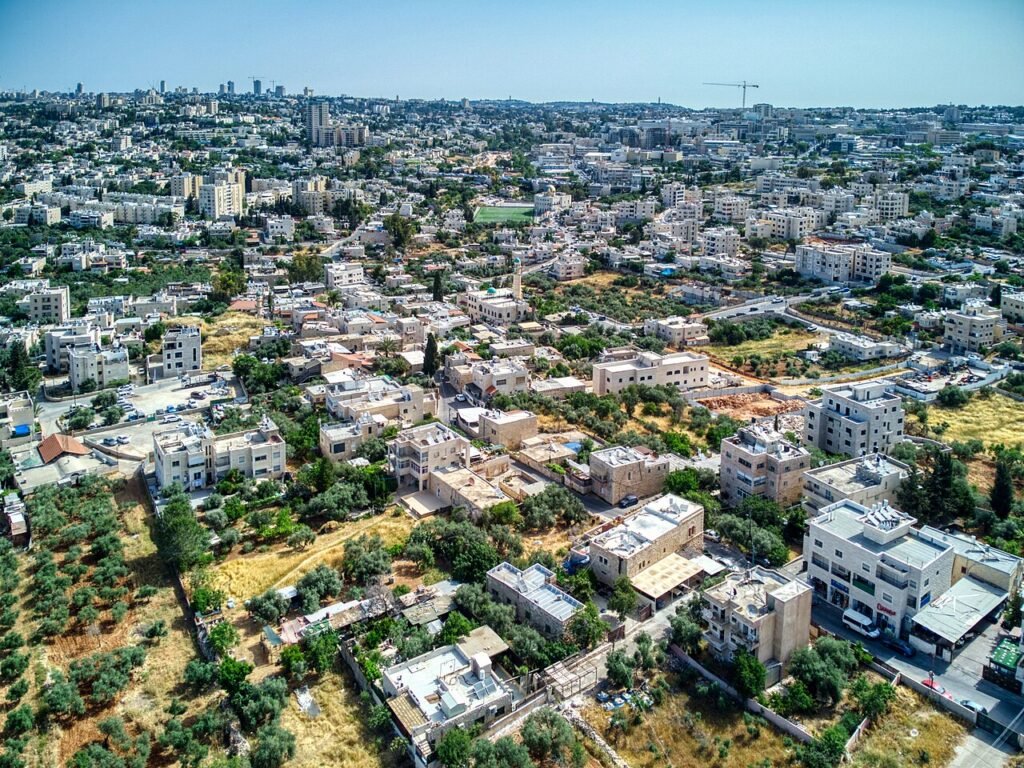
Beit Safafa
Beit Safafa lies in the south of Jerusalem and carries a unique story of division and reunification. After 1948, the village was cut in two, with one part under Jordanian rule and the other under Israeli control, until the city’s unification in 1967. Today, it is a thriving Palestinian neighborhood that retains much of its village atmosphere. Families maintain old stone homes and gardens, while newer developments house a growing population.
Beit Safafa symbolizes both the fragmentation and continuity of Palestinian life in Jerusalem, making it a meaningful place for visitors to explore.
Search Sites and Attractions in Palestine
Search by type of attraction and location
