Al-Aqsa Mosque & Dome of the Rock –
The Noble Sanctuary

A sacred sanctuary for Muslims and a symbol of Jerusalem, Al-Aqsa and the Dome of the Rock embody centuries of faith, beauty, and resilience.

Overview

The Al-Aqsa Mosque and Dome of the Rock, together forming Al-Haram al-Sharif (The Noble Sanctuary), are among the most significant religious sites in the world. This vast esplanade, covering 144,000 square meters, lies at the heart of Jerusalem’s Old City and is revered as the third holiest site in Islam, after Mecca and Medina.

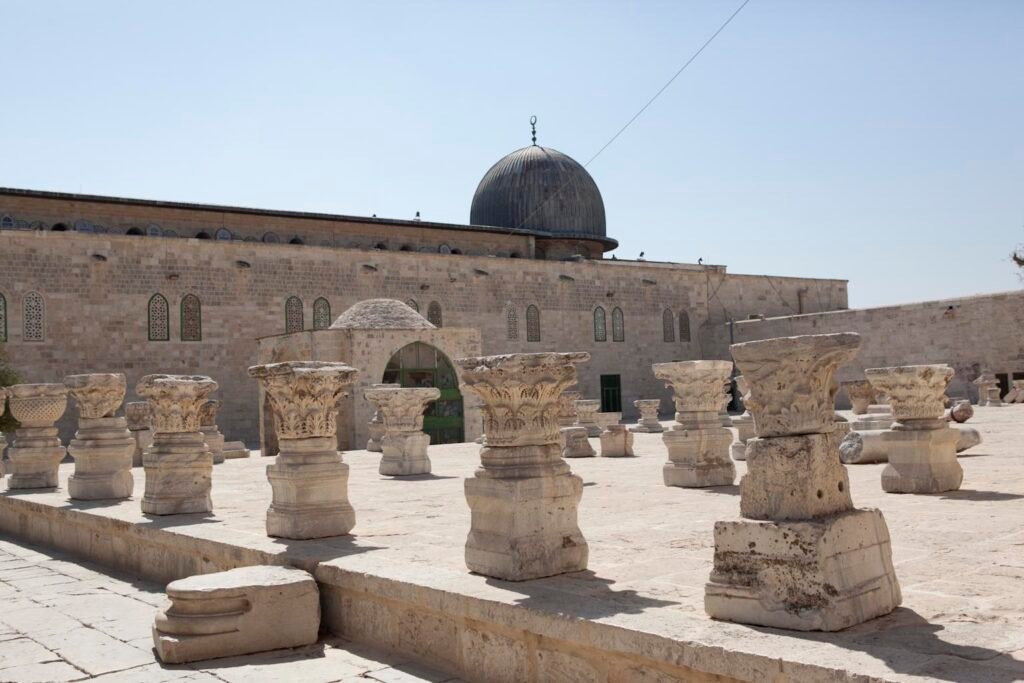
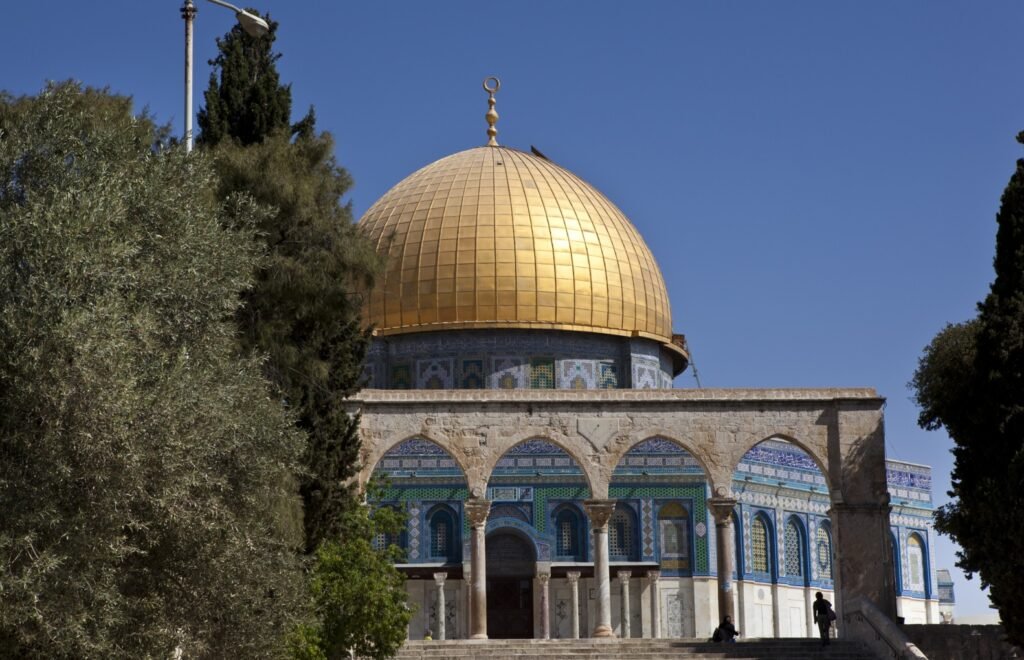
The Al-Aqsa Mosque, with its silver-gray dome, stands on the southern edge of the compound. It is a functioning mosque that can hold thousands of worshippers at once. The Dome of the Rock, with its iconic golden dome and dazzling Ottoman-era tiles, is one of the most recognizable landmarks in Jerusalem. Built in 691 CE, it is the oldest surviving Islamic monument in the world.

Beyond their architectural beauty, these structures embody more than 1,300 years of devotion, resilience, and heritage. For Muslims, the Noble Sanctuary is inseparable from faith and identity, while for visitors of all backgrounds, it represents a breathtaking example of sacred architecture and cultural history.

More to See

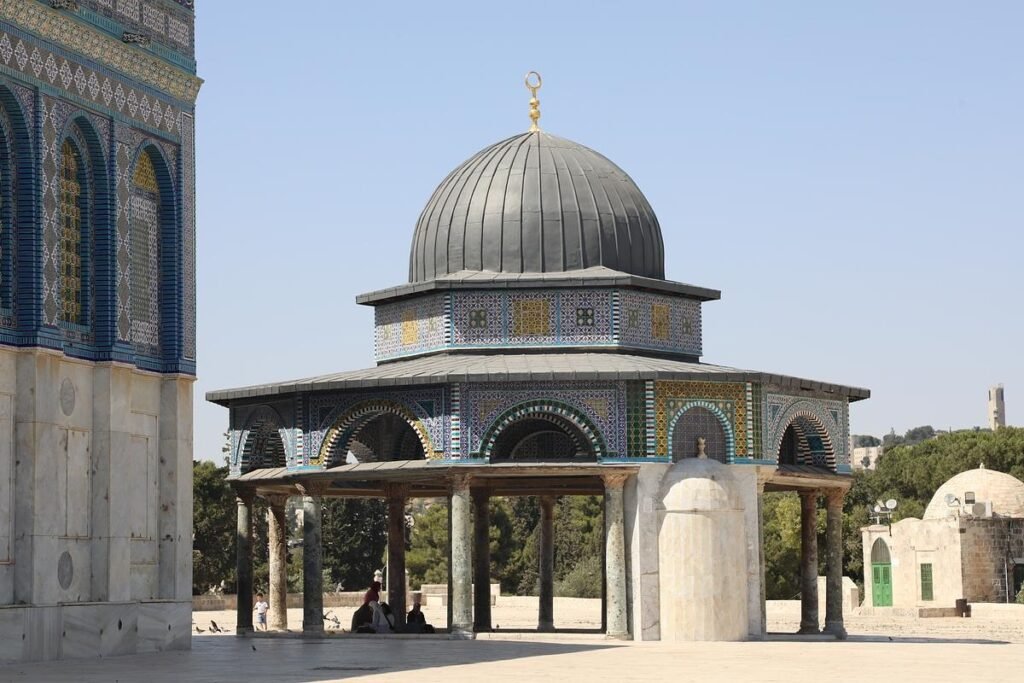
Within the Noble Sanctuary (Haram al-Sharif), visitors encounter not only the famed Dome of the Rock and Al-Aqsa Mosque but also several smaller shrines and historic landmarks. The Dome of the Chain, located beside the Dome of the Rock, is an elegant open-sided structure dating to the 7th century, traditionally associated with justice and divine order.

Nearby, the Dome of the Spirits is a simple yet evocative shrine, often linked with ancient Temple traditions. The Islamic Museum, housed in a former madrasa, preserves centuries of Islamic art, manuscripts, and artifacts. Finally, the Golden Gate (Bab al-Rahma) on the eastern wall — long sealed — carries deep religious and messianic symbolism for Muslims, Jews, and Christians alike.

Spiritual & Cultural Significance

The Noble Sanctuary holds immense importance in Islam. According to tradition, it is from here that the Prophet Muhammad ascended to heaven during the Isra and Mi’raj (Night Journey). The Al-Aqsa Mosque itself is mentioned in the Qur’an, cementing its place as a site of deep spiritual reverence.

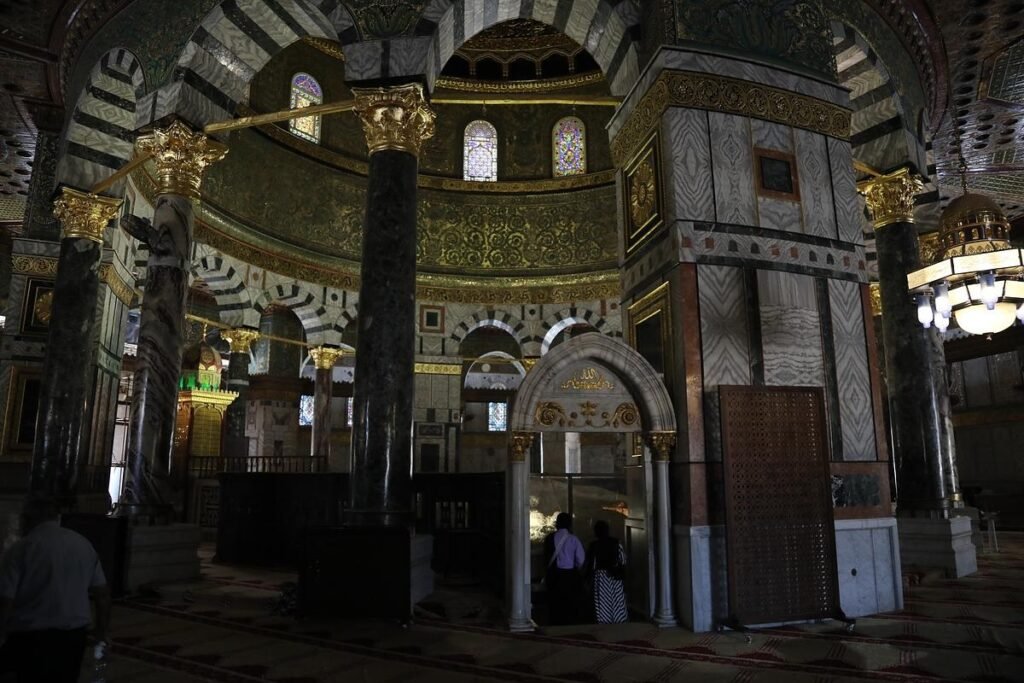
The Dome of the Rock, built by the Umayyad Caliph Abd al-Malik, covers the Foundation Stone, which has religious significance in Islam, Judaism, and Christianity. Its octagonal structure, interior mosaics, and calligraphy proclaim the unity of God and the universality of faith.

Culturally, the sanctuary is also a center of Palestinian identity. Despite restrictions and political challenges, it remains a living place of prayer, community, and continuity. For visitors, standing within its courtyards is to feel the weight of history, devotion, and beauty all in one space.

Highlights & Experiences

Admire the Dome of the Rock, one of the world’s most stunning monuments, with its golden dome and intricate tilework.

See the  Al-Aqsa Mosque, where daily prayers and Friday gatherings connect worshippers to centuries of devotion.

Walk through the courtyards of the Noble Sanctuary, shaded by olive trees and surrounded by fountains, gates, and arches.

Learn about Islamic art and architecture, from mosaics and inscriptions to Ottoman and Mamluk renovations.

Visitor Information

  • Location: Haram al-Sharif (Temple Mount), Old City, Jerusalem
  • Opening Hours for Non-Muslims: Sunday–Thursday, typically 7:30–11:00 am & 1:30–2:30 pm (hours vary; closed Fridays and during Muslim holidays).
  • Admission: Free. Modest dress required.
  • Guidelines when visiting: Click here for detailed guidelines of visits.
  • Access Restrictions: Entry into the mosques is usually limited to Muslims; however, non-Muslims may visit the courtyards during designated hours.
  • Suggested Tour Integration: Combine with a walking tour of the Old City, including the Western Wall, Islamic Quarter markets, and nearby Christian and Jewish holy sites.