The Sugar Mills of Jericho –
Industry in the Oasis

The Sugar Mills of Jericho reveal a medieval industry where sugarcane and aqueducts fueled trade across the region.

Overview

In the fertile plains of Jericho lie the ruins of the Sugar Mills, once the heart of a thriving medieval industry. From the 10th to the 15th centuries, Jericho was a major center for sugarcane cultivation and processing, producing a sweet commodity that was traded across the region and beyond. The mills, built near natural springs and aqueducts, ground and refined sugarcane, turning Jericho into an agricultural hub that blended ingenuity with natural resources.

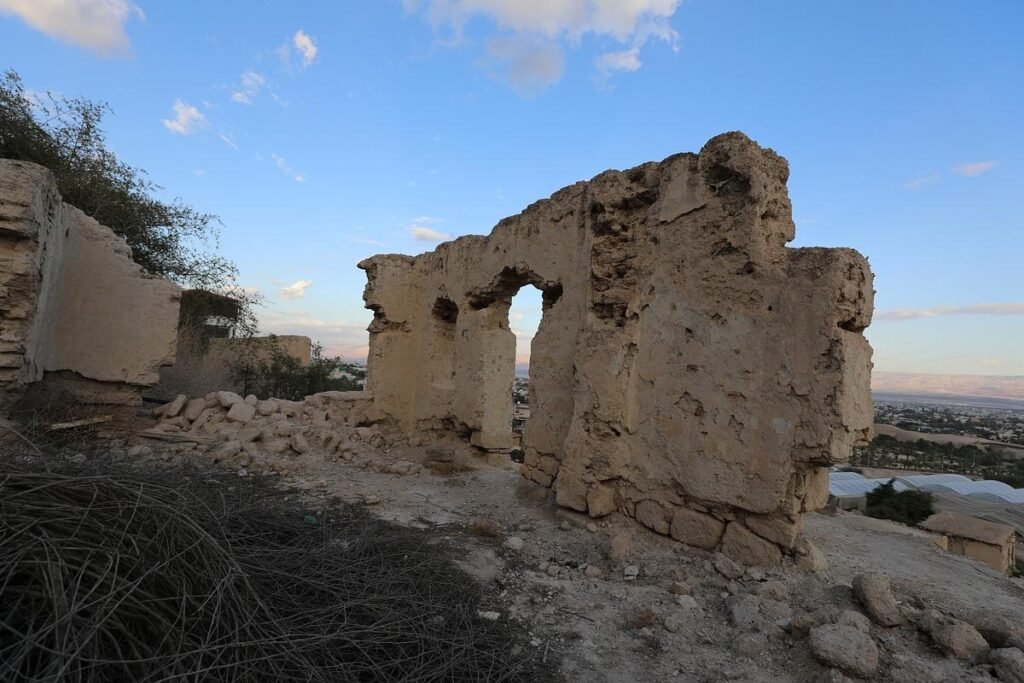
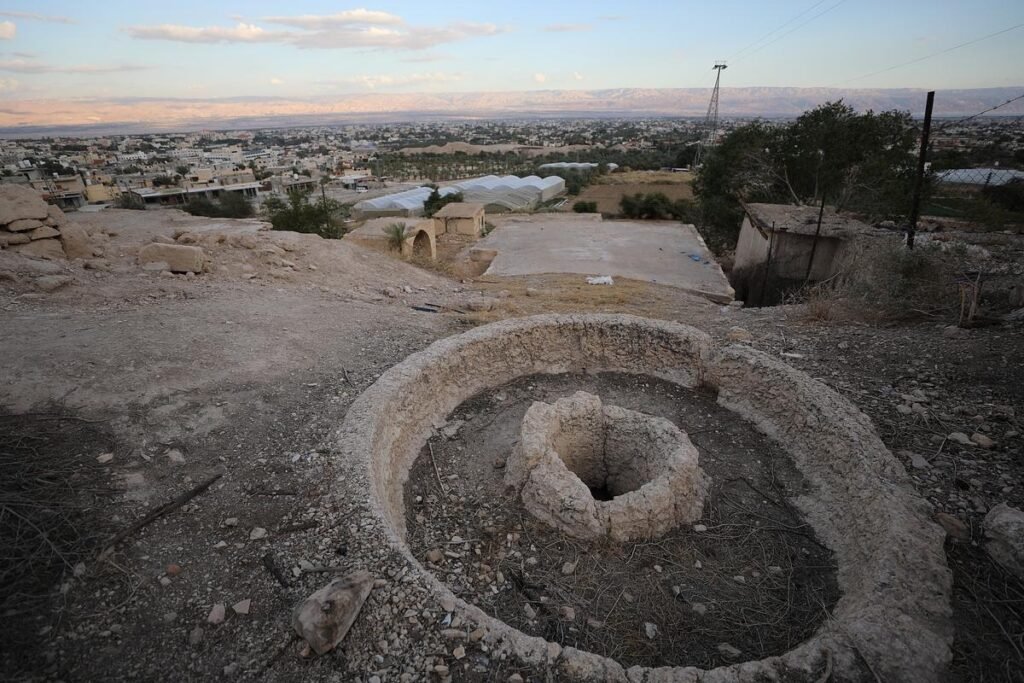
Today, visitors can walk among the remnants of this once-bustling industry, where stone channels, grinding mechanisms, and aqueducts still stand as testimony to Jericho’s role in medieval trade and agriculture.

Historical & Cultural Significance

The Sugar Mills highlight Jericho’s identity not only as a spiritual and cultural center but also as an economic powerhouse in the Middle Ages.

The mills tell the story of Palestinian ingenuity and adaptation to the land’s resources, reflecting how agriculture and trade supported communities for centuries.

Highlights of the Visit

Ruins of Sugar Mills: Explore the remains of medieval sugar-processing facilities.
Water Systems: See aqueducts and channels that powered the mills.
Historical Trade Links: Learn how Jericho’s sugar reached markets across the Levant.
Archaeological Insight: Understand the blend of farming, technology, and commerce in the oasis.
Unique Heritage: Discover an industrial site rarely seen in the Holy Land’s usual pilgrimage tours.

Visitor Information

  • Location: On the western edge of Jericho’s oasis, near Wadi Qelt
  • Access: Best reached by car or local guide; signage may be limited
  • Opening Hours: Open-air site, accessible year-round
  • Entrance Fee: Free
  • Tips: Combine with visits to Herod’s Palaces and Hisham’s Palace for a broader view of Jericho’s layered history