Solomon’s Pools – Ancient Reservoirs of Bethlehem

An ancient water system south of Bethlehem, Solomon’s Pools once supplied Jerusalem. Surrounded by pine forests, they remain a site of history, legend, and natural beauty.

Overview

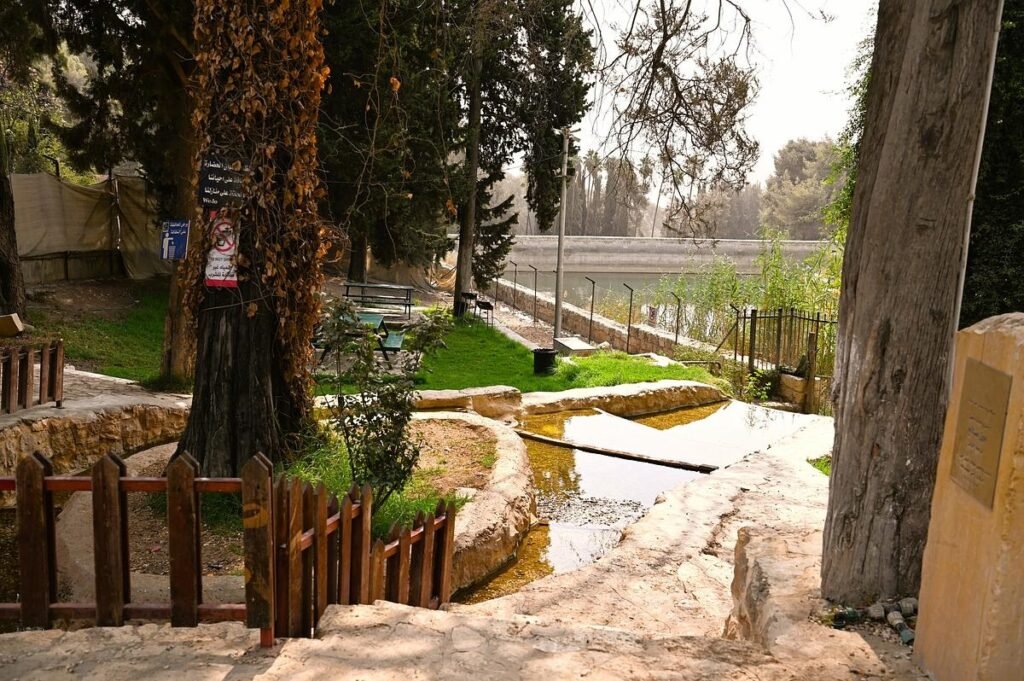
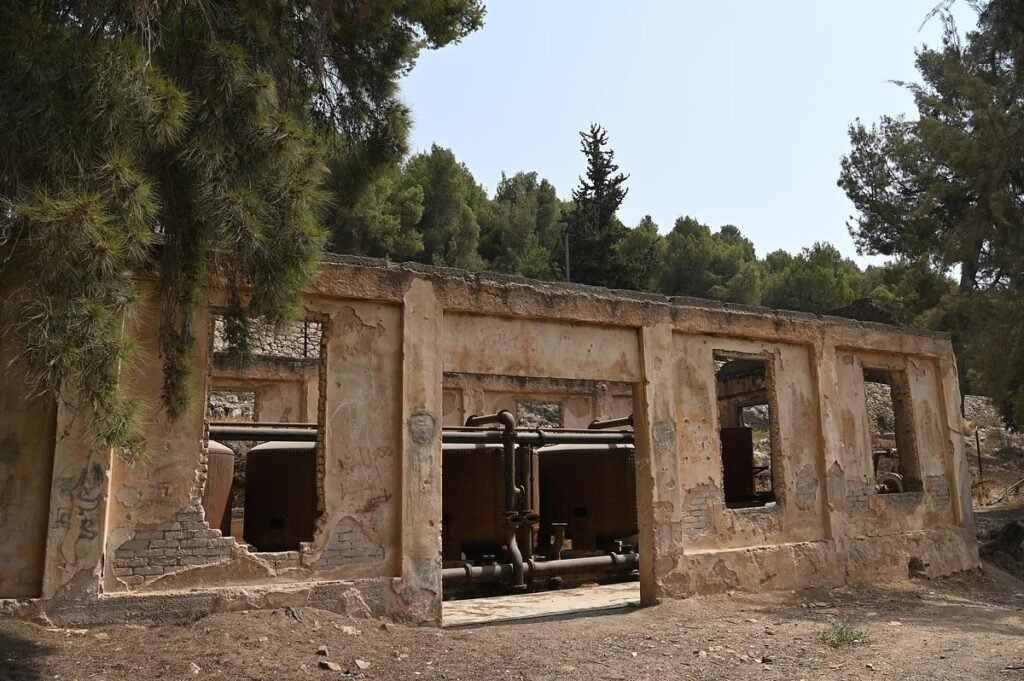
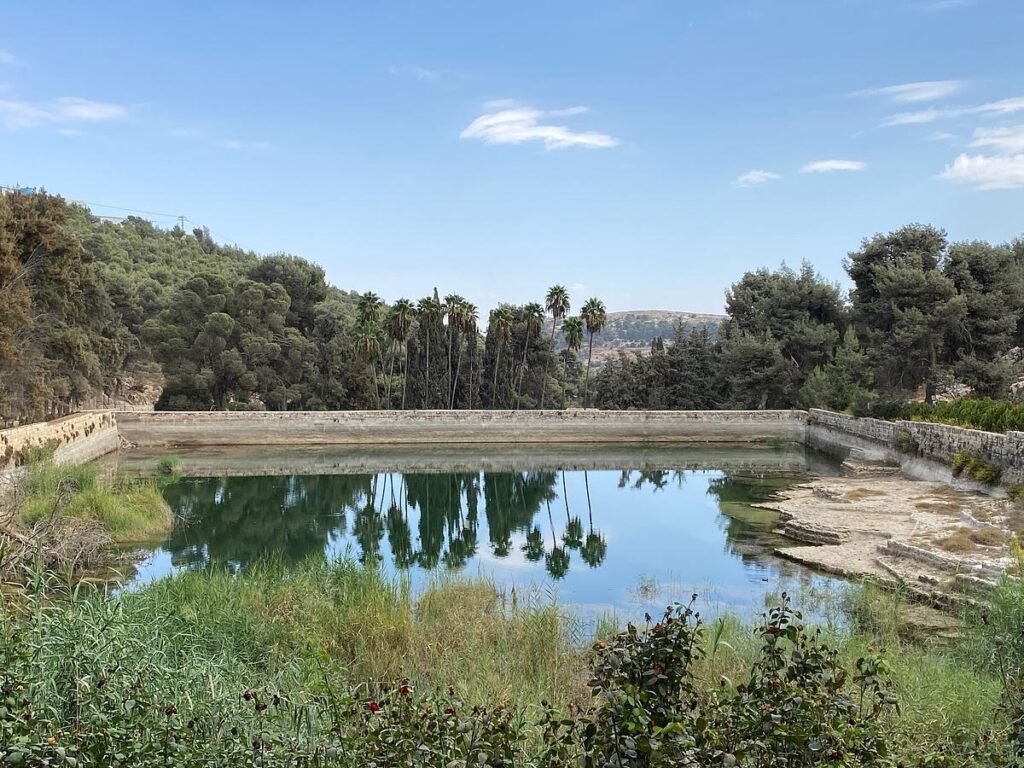
South of Bethlehem, near the village of Artas, lie the three large stone reservoirs known as Solomon’s Pools. Built during the Roman and Ottoman periods, they once supplied water to Jerusalem through a complex aqueduct system. Surrounded by pine forests and fertile fields, the pools remain an impressive example of ancient engineering and a peaceful site for visitors to explore.

At the same time, the site is steeped in legend. Local tradition links the pools to King Solomon, who is said to have built them to irrigate his gardens. Today, the area blends history, myth, and natural beauty, offering both cultural insight and a scenic escape.

Cultural & Social Significance

Solomon’s Pools highlight the importance of water in shaping the history of Palestine. As a vital supply system for Jerusalem, they symbolize the ingenuity of ancient builders and the interconnectedness of villages and cities across the land.

For local communities, the pools have long been a gathering place, tied to stories of kings and prophets as well as to daily agricultural life. Visiting today offers a chance to connect with both heritage and the environment, reflecting how natural resources and human creativity have sustained Palestine through the ages.

Highlights & Experiences

Three Ancient Reservoirs: Explore the massive stone pools built to collect and store water.
Historic Aqueducts: Learn how water was channeled from the pools to Jerusalem for centuries.
Natural Setting: Enjoy walks around the pine-covered hills and farmlands that surround the pools.
Legends of Solomon: Discover the traditions that tie the pools to biblical stories.
Nearby Attractions: Combine a visit with Artas Valley, Battir, or Bethlehem’s historic sites.

Visitor Information

  • Opening Hours: The site is open year-round, though hours vary and facilities are limited. It’s best to visit during daylight.
  • Entrance Fee: Generally free, but some areas may be part of guided tours.
  • Facilities: The site is not fully developed for tourism — limited signage, rest areas, or services. Carry water and wear comfortable shoes.
  • Accessibility: Terrain is uneven around the pools, so good footwear is recommended.
  • Photography: Allowed, but be cautious near steep edges of the reservoirs.