Overview
Palestinian cuisine is inseparable from its spices. Za’atar, sumac, cumin, and cinnamon are more than seasonings — they are the essence of dishes, the link between land and table, and a symbol of cultural identity. From the scent of freshly ground coffee spiced with cardamom to the tang of sumac sprinkled over msakhan, flavors in Palestine carry history and meaning.
At the same time, spices tell stories of trade, tradition, and resilience. For centuries, Palestine has been a crossroads of civilizations, and its spice blends reflect influences from across the region while remaining distinctly Palestinian. Exploring these flavors offers travelers a window into everyday life, from bustling markets to family kitchens.
The Experience
Visitors can discover Palestine’s spices in many ways:
Online & Souvenir Shopping: Many visitors bring home small bags of za’atar, sumac, or hand-ground coffee as edible souvenirs that connect them to their journey..
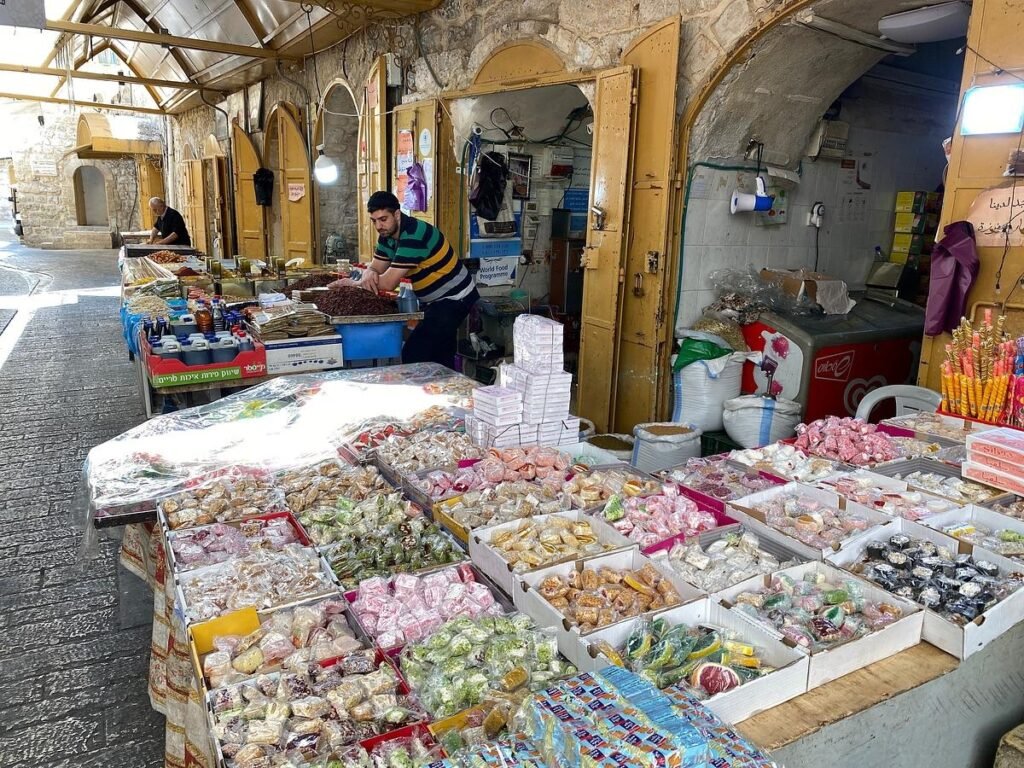
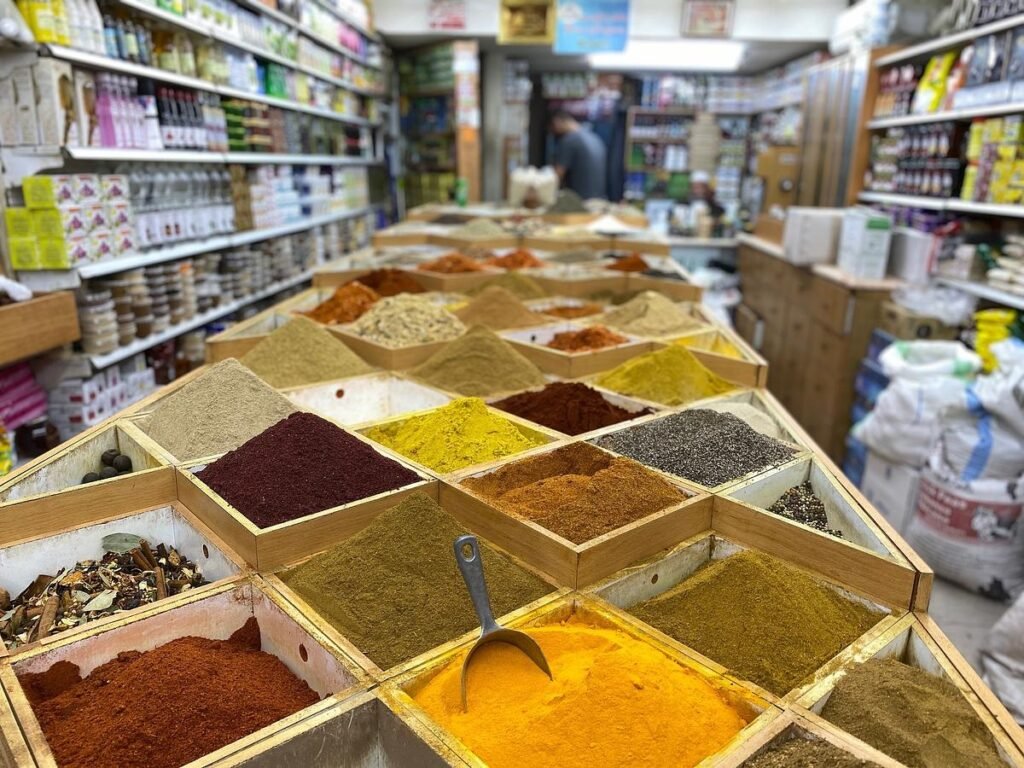
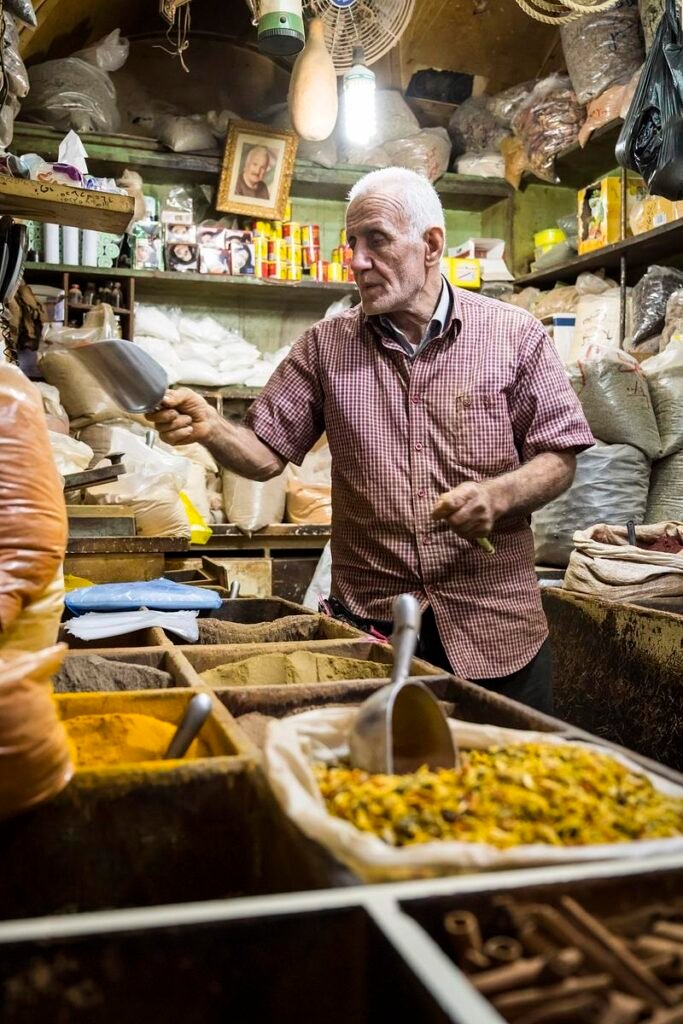
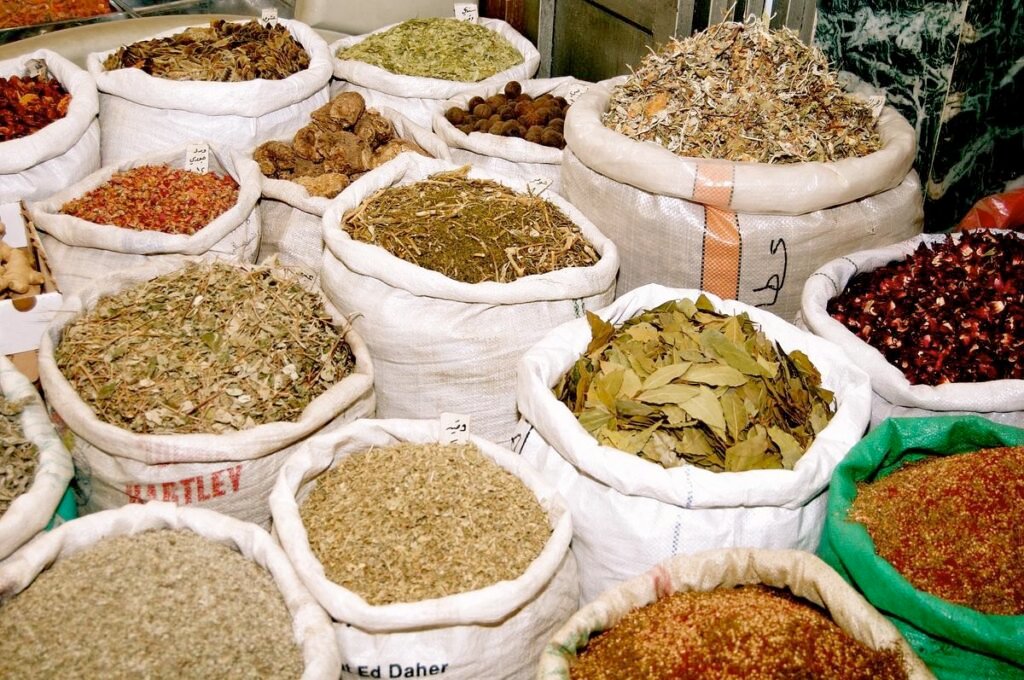
Market Tours: Souqs in Jerusalem, Nablus, Hebron, and Bethlehem are filled with colorful stalls where vendors sell za’atar, dried herbs, and spice blends. The air is fragrant, and conversations with shopkeepers reveal how each spice is used.
Cooking Classes: Preparing dishes like maqloubeh or msakhan with local families offers firsthand experience with how spices transform simple ingredients into flavorful meals.
Tastings & Pairings: Some tours include tastings of spice-infused olive oil, teas, or traditional dips like za’atar mixed with oil and bread.
Cultural & Social Significance
Everyday Tradition: Spices are present in every meal, from morning bread dipped in za’atar to evening stews.
Heritage & Identity: Certain blends are passed down through families, tying generations together.
Regional Variation: Spice mixes differ between towns and villages, reflecting local tastes.
Economic Support: Buying spices supports farmers, producers, and family-run shops in local markets.
Practical Information
Where: Old City markets of Jerusalem, Nablus souq, Hebron market, Bethlehem market.
Best Season: Year-round, though markets are most lively during religious festivals and harvest seasons.
What to Try: Za’atar, sumac, cumin, allspice, cinnamon, cardamom coffee.
Tips: Buy from trusted vendors, taste before purchasing, and ask locals for recipes or preparation tips.