Overview
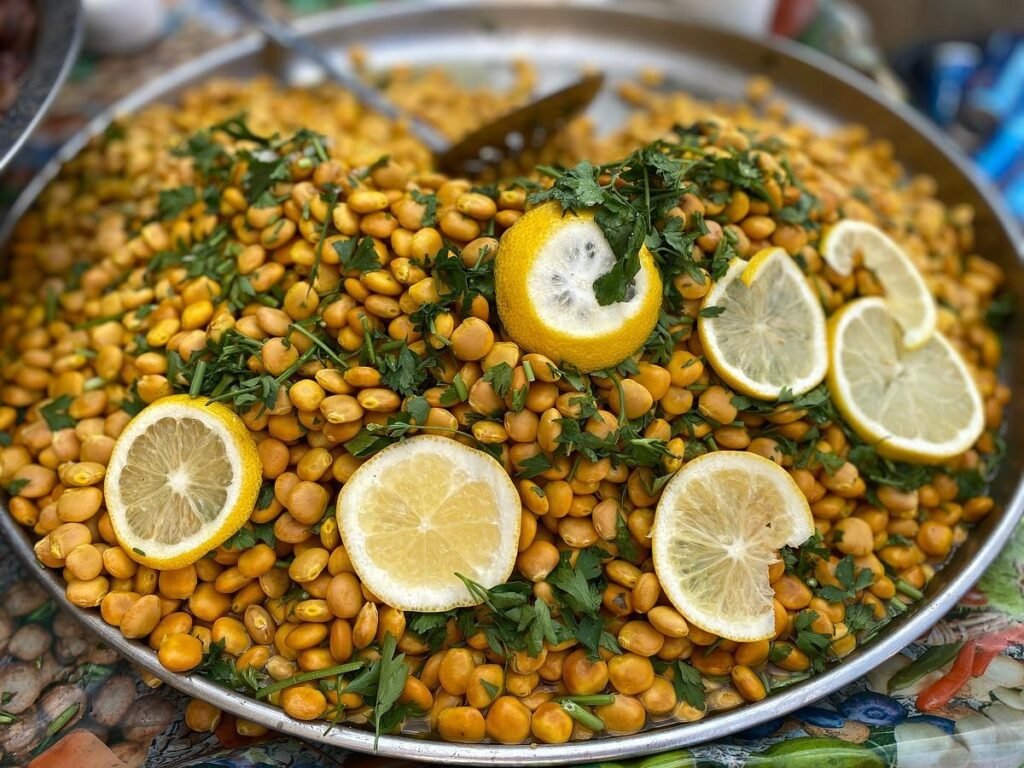
Palestinian cuisine tells the story of a people and a land — and with it, the culture, heritage, and hospitality that define Palestine. From fragrant olive oil and freshly baked bread to hearty stews and delicate pastries, food here is never just about eating. Each dish carries memory, tradition, and the flavors of resilience, rooted in centuries of farming, trade, and family life.
The Taste of Palestine Tour invites travelers to experience this heritage not only by tasting but also by participating. Guests step into family kitchens, walk through bustling markets, and join harvests in fertile valleys. Along the way, they encounter the people who make Palestinian cuisine so unique: farmers cultivating olives and grapes, women’s cooperatives preserving embroidery and recipes, and bakers whose wood-fired ovens fill the streets with irresistible aromas.
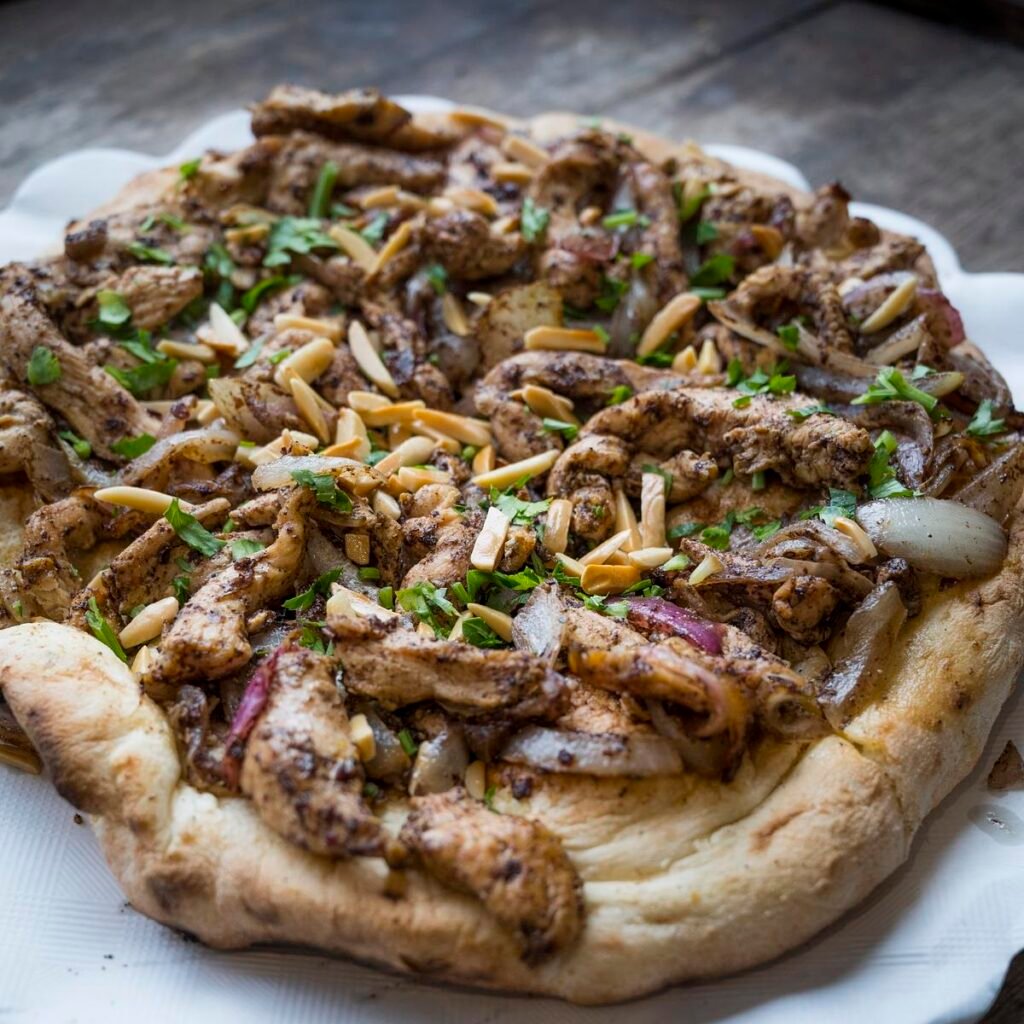
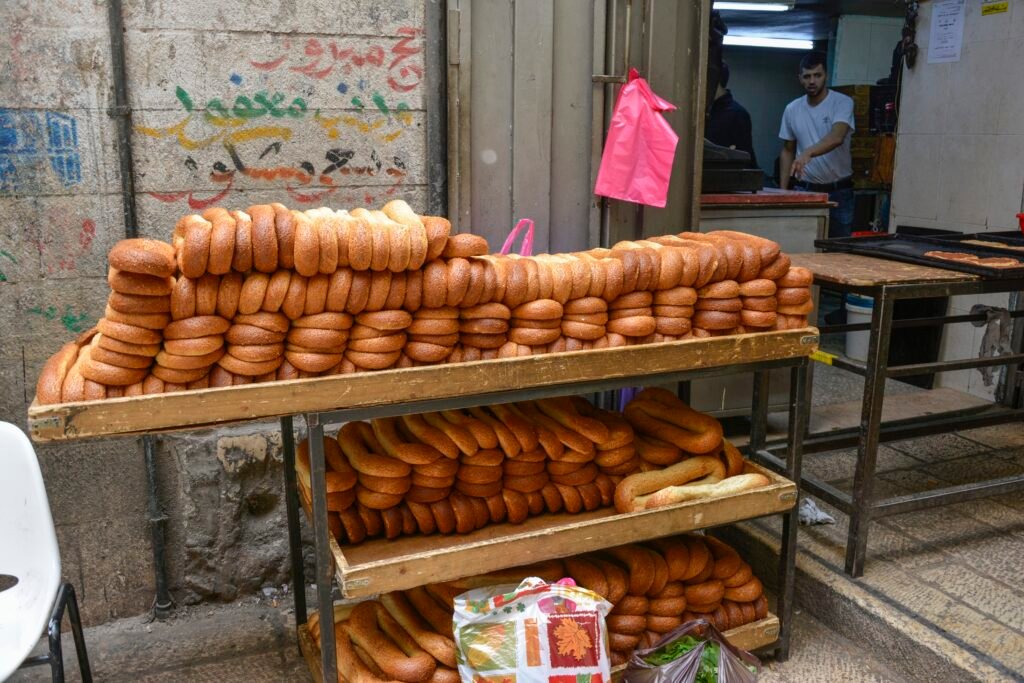
Food in Palestine is also a gateway to understanding community and culture. Every meal tells a story of generosity, of sharing what is available, and of welcoming strangers as friends. Travelers discover how dishes like msakhan and maqloubeh are tied to family gatherings, celebrations, and seasonal rhythms. Even simple staples like za’atar or ka’ak bread reveal the intimate relationship between Palestinians and their land.
At the same time, this journey is about more than cuisine. It is an invitation to connect with people, learn their stories, and witness a living tradition that continues despite challenges. Through cooking, tasting, and breaking bread together, visitors find that food becomes a language of resilience, creativity, and hope.
The Experience
The Taste of Palestine Tour is flexible — it can be arranged as a half-day, full-day, or multi-day journey (5–7 days typical). Each option combines food experiences with cultural encounters across Palestine’s cities and villages. Highlights may include:
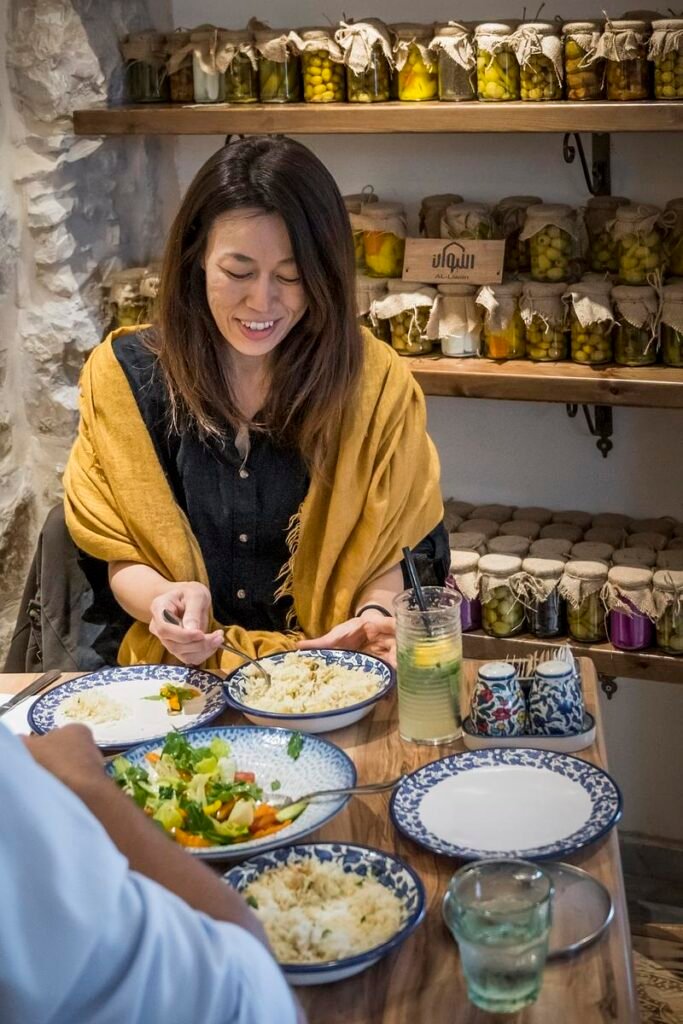
- Village Cooking Classes: Learn to prepare dishes like maqloubeh, msakhan, and ma’amoul with local families or women’s cooperatives.
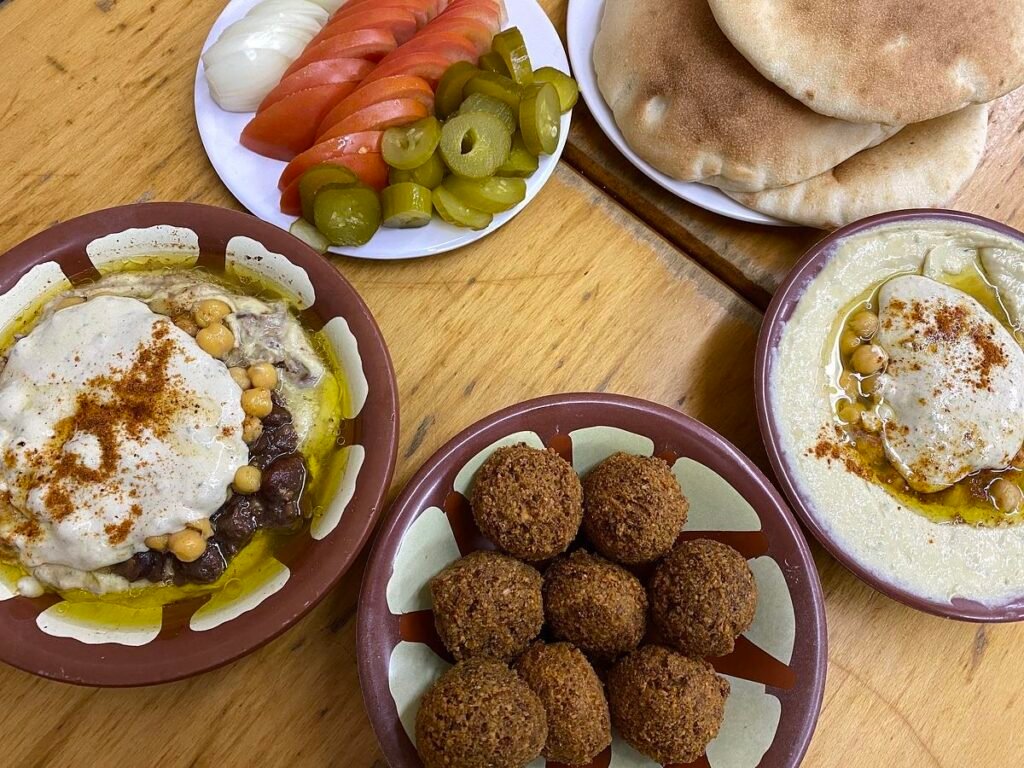
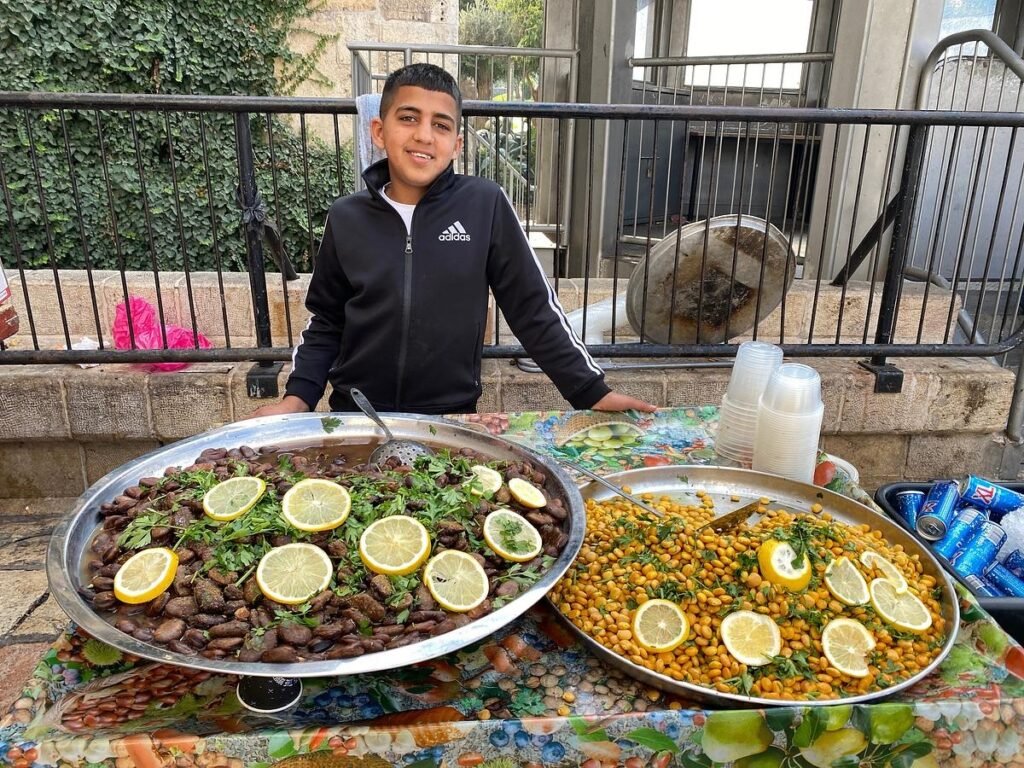
- Market Walks: Explore lively souqs in Bethlehem, Jerusalem, Nablus, or Ramallah, sampling falafel, fresh juices, and sweets.
- Olive Harvest & Oil Tasting: In autumn, join families in the groves to pick olives, press fresh oil, and celebrate with music and food.
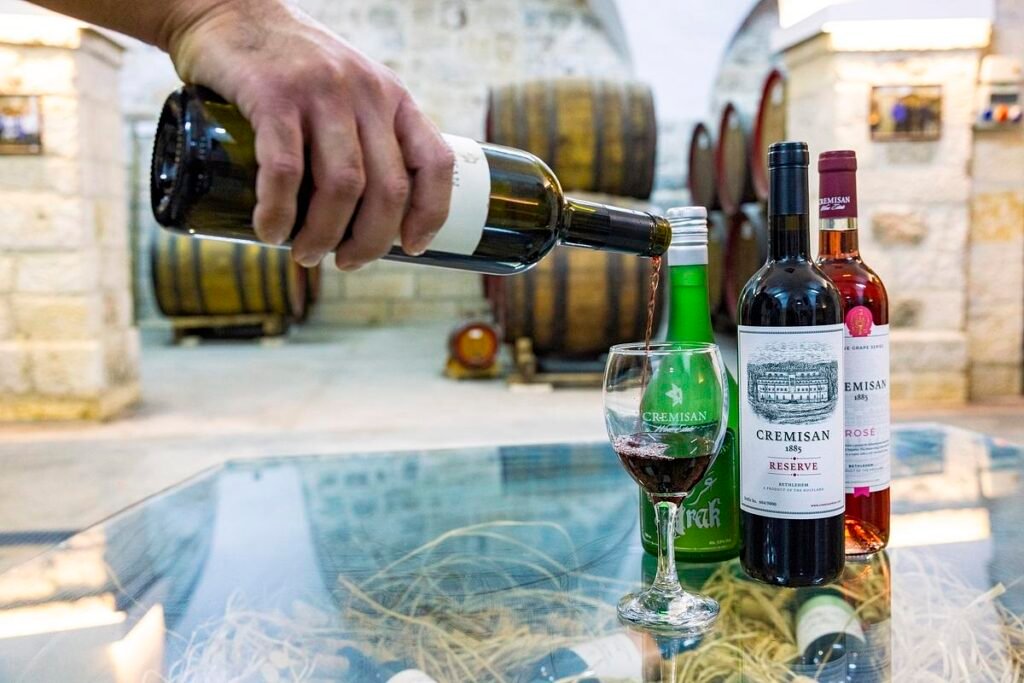
- Wineries & Breweries: Visit Cremisan Winery near Bethlehem or Taybeh Brewery to taste Palestinian wine and beer.
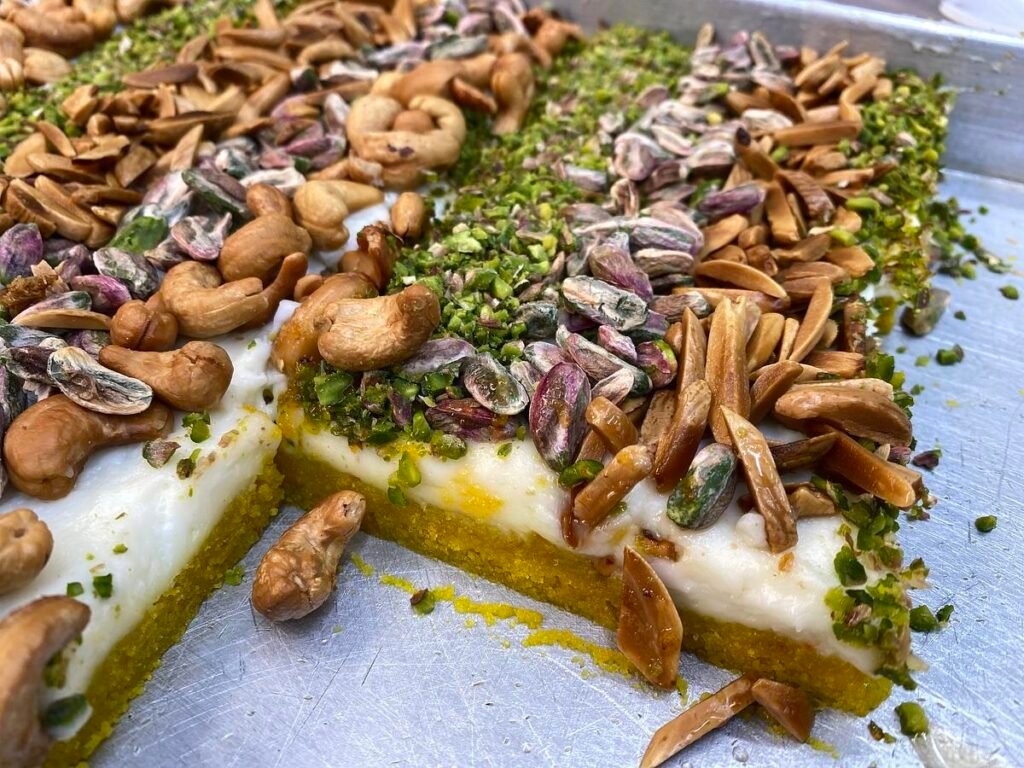
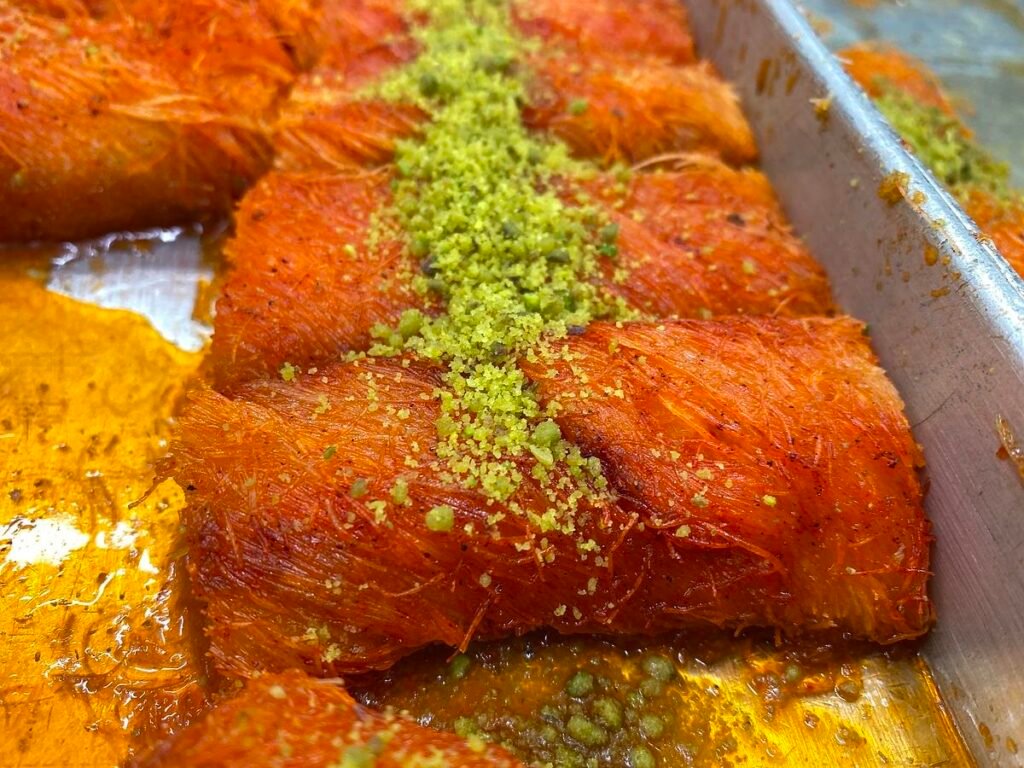
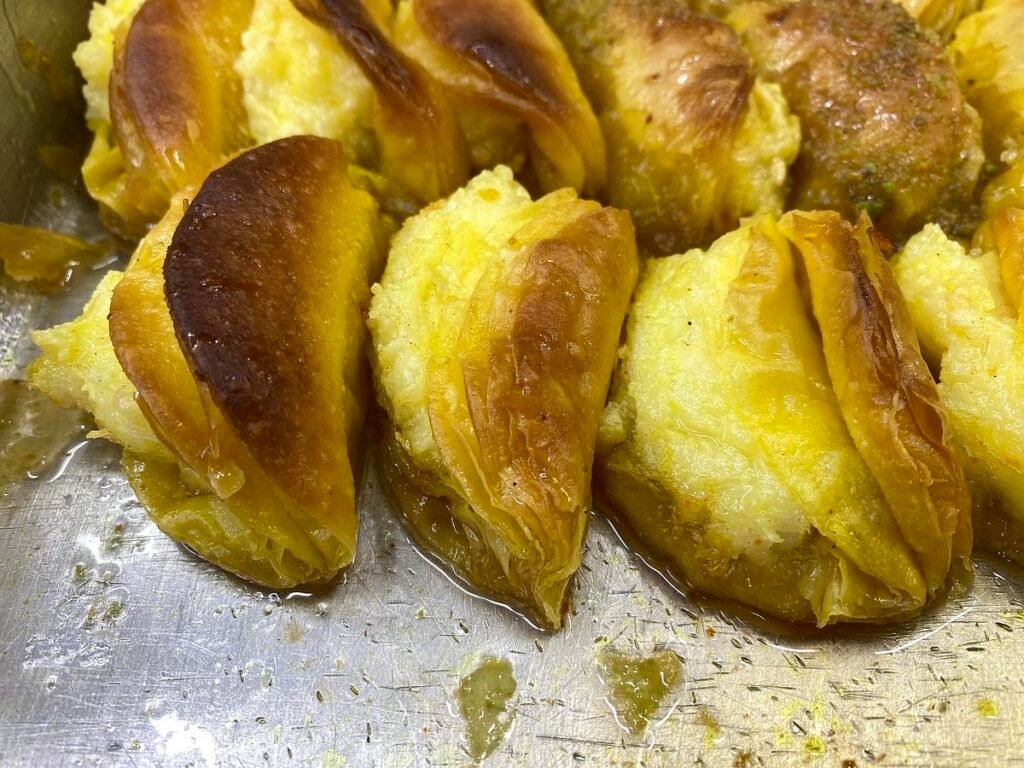
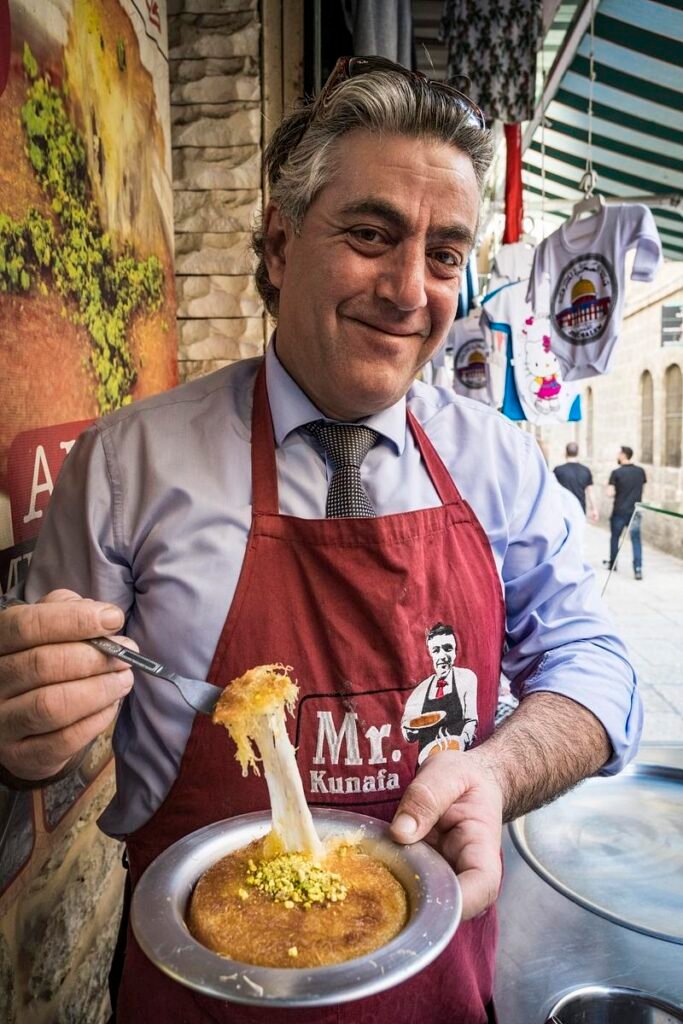
- Sweets & Bakeries: Try knafeh in Nablus, ka’ak bread in Jerusalem, and taboon bread baked in traditional ovens.
- Signature Tastings: Enjoy golden olive oil, fragrant za’atar, Cremisan wines, Taybeh Beer, and desserts that showcase the flavors of Palestine.
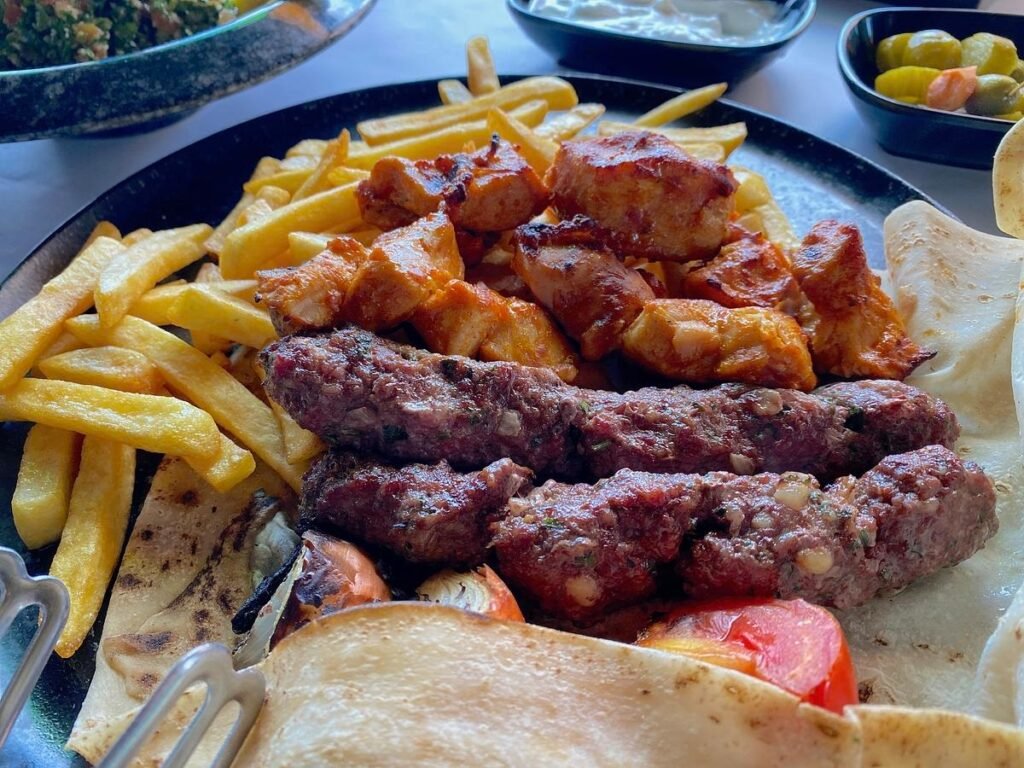
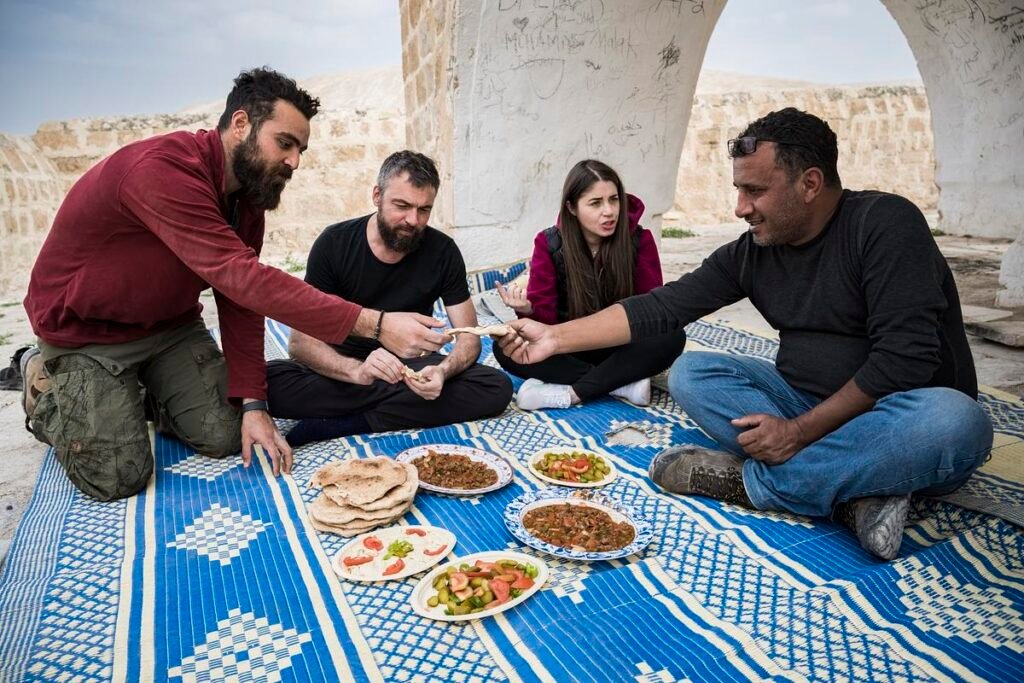
Meals are shared along the way — in homes, farms, and local restaurants — where conversation flows as easily as tea and coffee.
Cultural & Social Significance
Living Heritage: Each dish reflects centuries of tradition and connection to the land.
Community Encounters: Travelers engage directly with farmers, families, and women’s cooperatives.
Regional Diversity: From the northern hills of Nablus to the southern valleys near Hebron, each area has its own flavors.
Symbol of Resilience: Food traditions preserve identity and continuity in the face of challenges
Practical Information
Where: Bethlehem, Ramallah, Nablus, and villages across the West Bank.
Duration: 3–4 hours (half-day), with options for market add-ons.
Highlights: Hands-on cooking, recipe sharing, communal meal.
Tips: Wear comfortable clothing, come hungry, and be ready to roll up your sleeves.
Flavors of Palestine
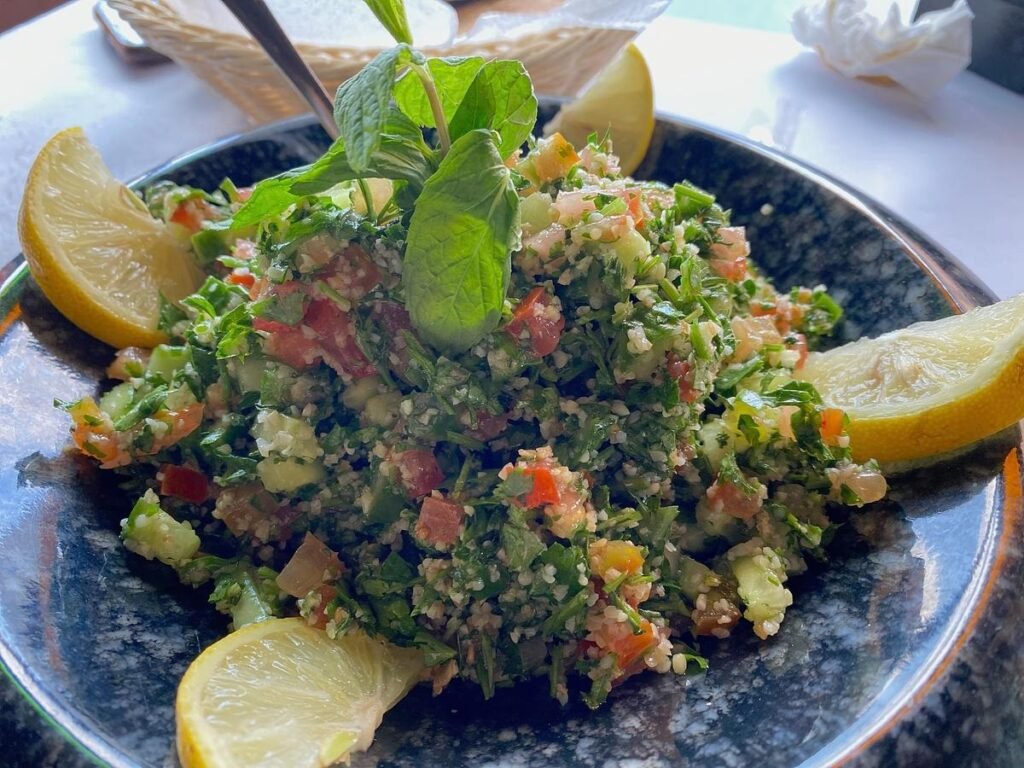
From golden olive oil and wood-fired breads to knafeh, maqloubeh, and msakhan, these are just some of the dishes and tastes you’ll discover on your culinary journey.