
Overview
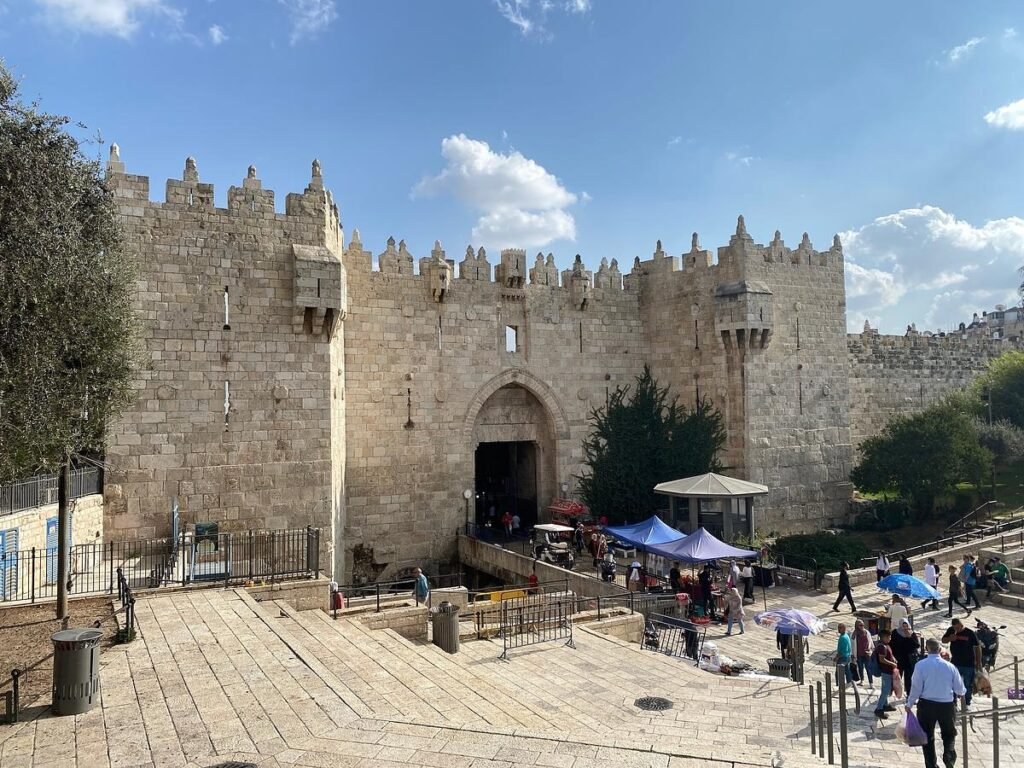
The Old City of Jerusalem is a crossroads of faith, history, and culture. Enclosed by ancient walls and divided into four quarters — Christian, Muslim, Jewish, and Armenian — it offers one of the most immersive walking experiences in the world. Every step here carries layers of meaning, from biblical landmarks to bustling souqs filled with life.
At the same time, the Old City is not a museum. It is home to thousands of residents, families, and artisans who keep its traditions alive. Walking through its narrow alleys offers both a journey into the past and an encounter with the living present.
Trail Experience
A walking tour of the Old City reveals highlights from all four quarters. Along the way, you may enter the Church of the Holy Sepulchre, visit the Western Wall, and walk sections of the Via Dolorosa. The Dome of the Rock and Al-Aqsa Mosque stand as symbols of faith and architectural beauty.
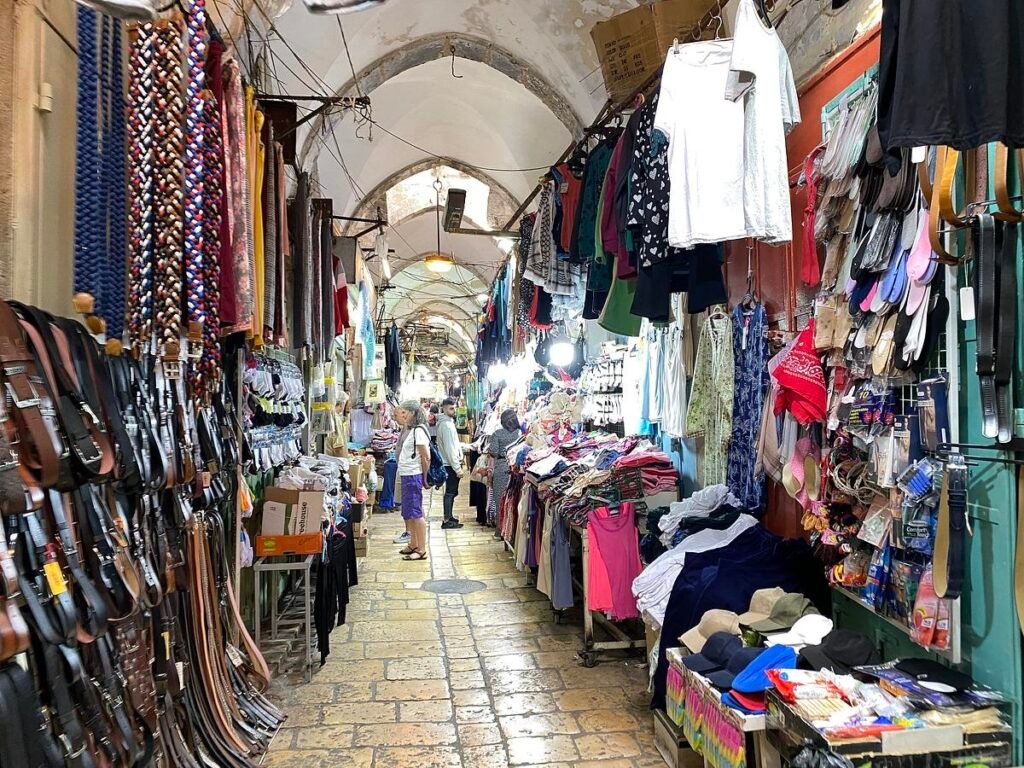
Beyond the sacred sites, the souqs are filled with color, scents, and sounds. Here, travelers can taste local foods, shop for handicrafts, and meet artisans carrying on age-old traditions. The mix of holy places and daily life makes the Old City one of Palestine’s most unforgettable experiences.

Cultural & Natural Significance
Sacred Sites: Central to Christianity, Islam, and Judaism, the Old City contains many of the world’s most important holy places.
Living Heritage: Residents maintain family homes, markets, and traditions within the walls.
Historic Walls & Gates: Built and rebuilt over centuries, the walls and gates reflect Jerusalem’s layered past.
Cultural Diversity: The four quarters reflect centuries of coexistence, tension, and resilience.
Practical Information
Starting Point: Jaffa Gate or Damascus Gate (depending on route).
Length: 3–5 km depending on sites visited.
Difficulty: Easy to moderate, with uneven streets and some steep alleys.
Best Seasons: Year-round, though spring and autumn offer mild weather.
Tips: Wear modest dress for religious sites, bring water, and allow time for security checks. Guided tours provide valuable context.

