
Food and Dining
Taste Palestine through traditional dishes like maqloubeh, musakhan, and knafeh. From bustling markets to home kitchens, food is a gateway to culture and community.
Overview
Palestinian cuisine is a delicious blend of history, tradition, and community. Rooted in the land, it combines fresh ingredients, fragrant spices, and recipes passed down for generations. Meals are more than food — they are celebrations of family, identity, and shared culture.
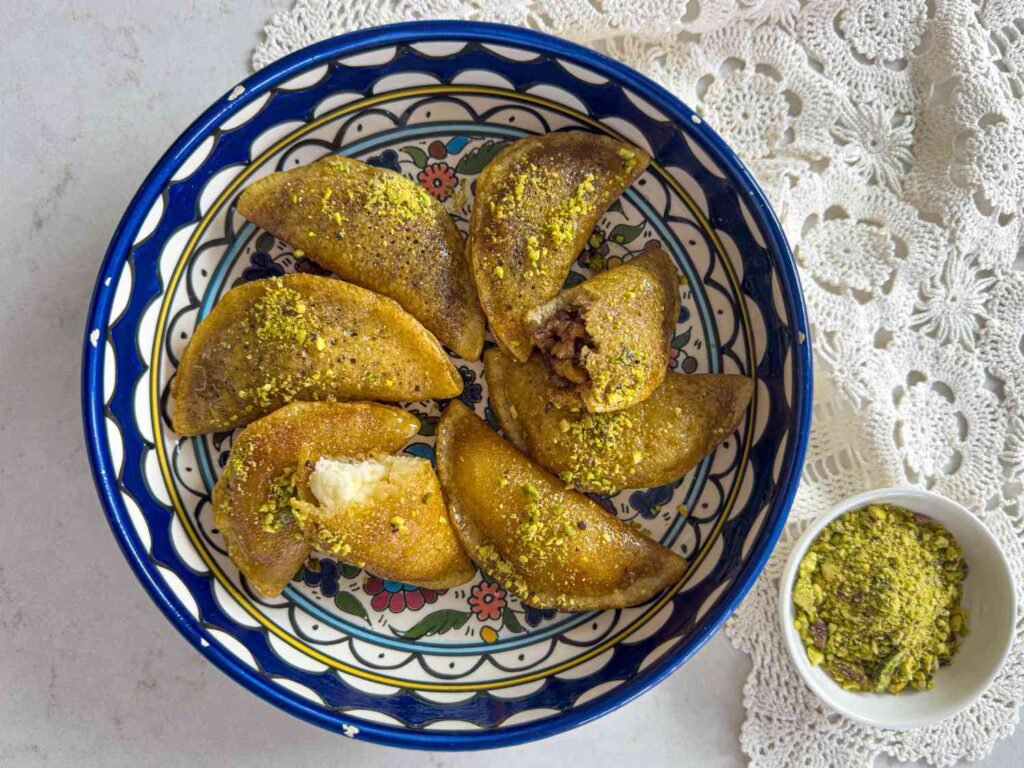
At the same time, food is one of the most enjoyable ways for visitors to connect with local people. Sitting around a family table, enjoying mezze in a village restaurant, or tasting knafeh fresh from a Nablus bakery often leads to warm encounters and lasting memories.
In addition, Palestine’s food scene is as diverse as its regions. Mountain towns serve hearty stews and oven-baked bread, while coastal and valley areas emphasize fresh vegetables, herbs, and olive oil. Urban centers like Ramallah and Bethlehem mix traditional dishes with modern cafés, bakeries, and breweries.
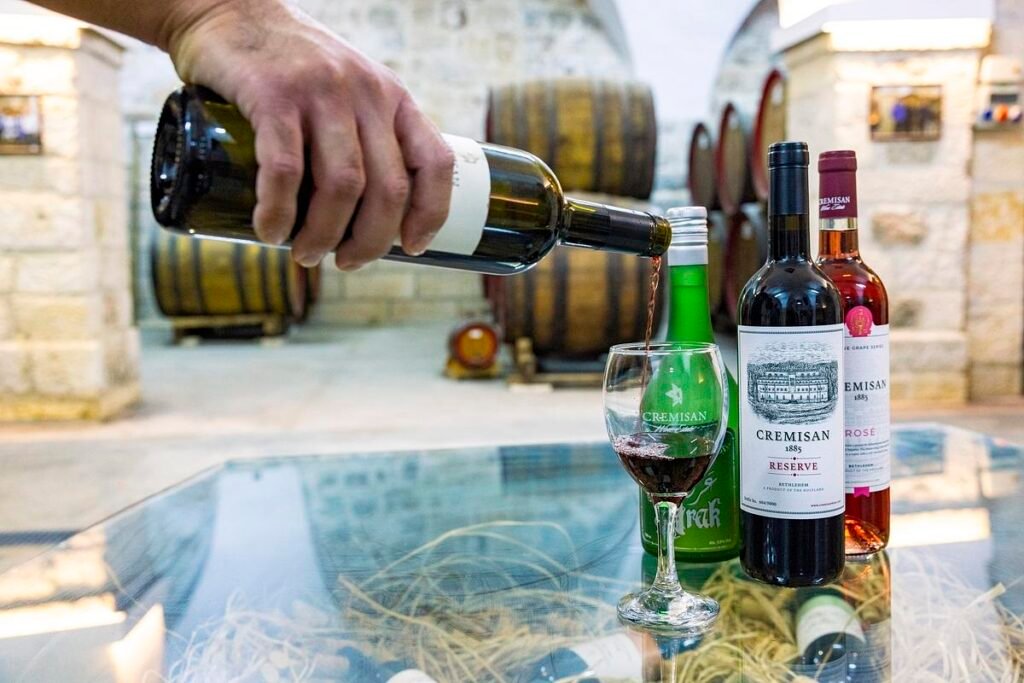
For travelers, every meal tells a story. From musakhan, the national dish, to a glass of Taybeh beer or locally made wine, Palestinian cuisine offers both deep heritage and contemporary creativity.
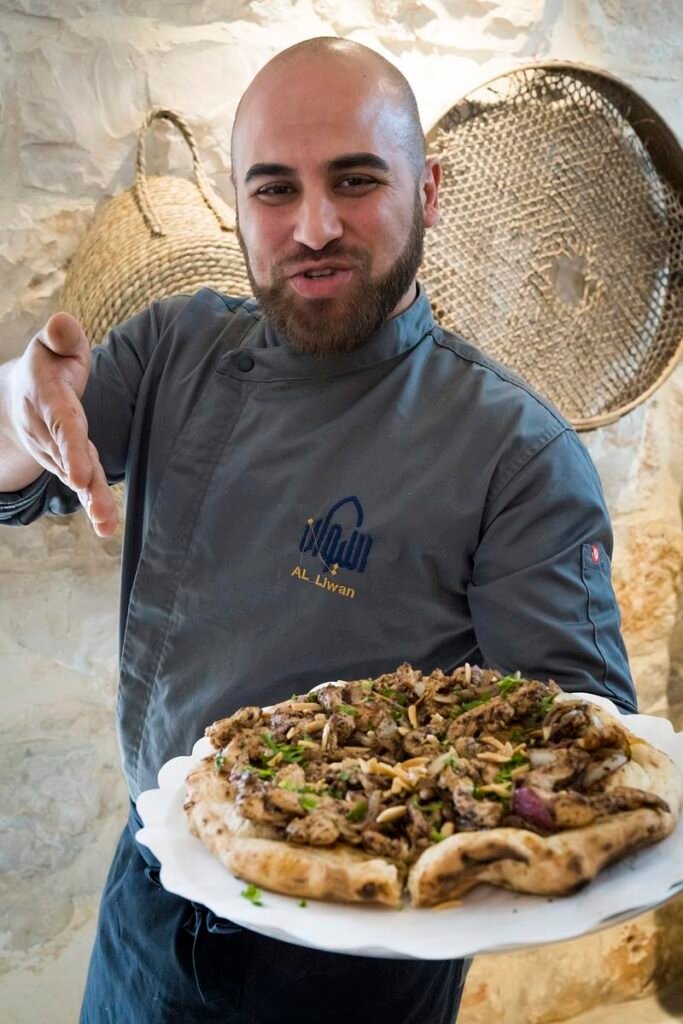
Must-Try Foods in Palestine

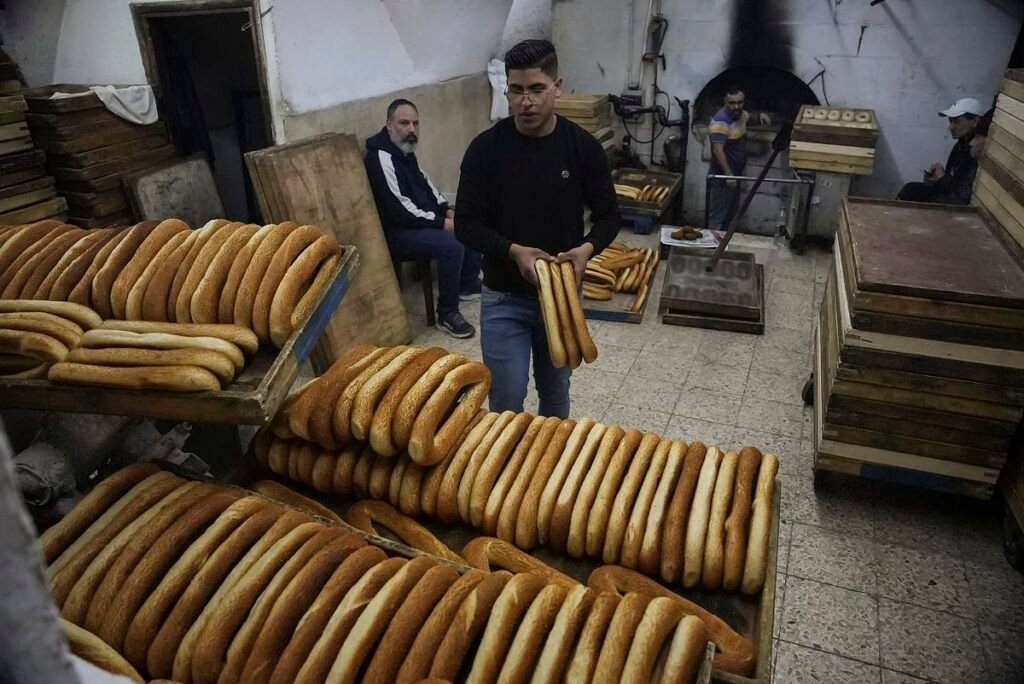


Traditional Drinks and Sweets




Dining Etiquette
- Hospitality: Guests are often offered tea, coffee, or a meal — it is polite to accept.
- Meals: Food is served family-style, with shared dishes at the center of the table.
- Dress: Modest attire is appreciated in family homes and village restaurants.
- Tips: A small gratuity is welcomed in restaurants and cafés.

