
Overview
Planning ahead makes your journey to Palestine smoother and more enjoyable. This section provides essential information on entry requirements, transportation, currency, and health so that you can travel with confidence. At the same time, it offers practical tips for navigating checkpoints and understanding local customs. By preparing in advance, you will save time, avoid common frustrations, and focus more on experiencing Palestine’s culture, history, and hospitality.
In addition, knowing how to get around and handle money will give you freedom and flexibility during your stay. Whether you are a solo traveler, part of a group, or visiting on a pilgrimage, these details will help ensure your visit is safe, rewarding, and memorable
Entry & Visa Requirements
- Borders: Most visitors enter Palestine through Israel, either via Ben Gurion Airport (Tel Aviv) or the Allenby/King Hussein Bridge from Jordan.
- Visas: Israel controls entry, and most Western passport holders receive a tourist visa on arrival. However, rules may vary, so it is wise to confirm before traveling.
- Passports: Always carry your passport with you, as you may be asked for identification at checkpoints.

Getting Around
Walking: Old Cities such as Bethlehem, Jerusalem, and Nablus are best explored on foot. At the same time, local guides can enrich the experience with stories and history.
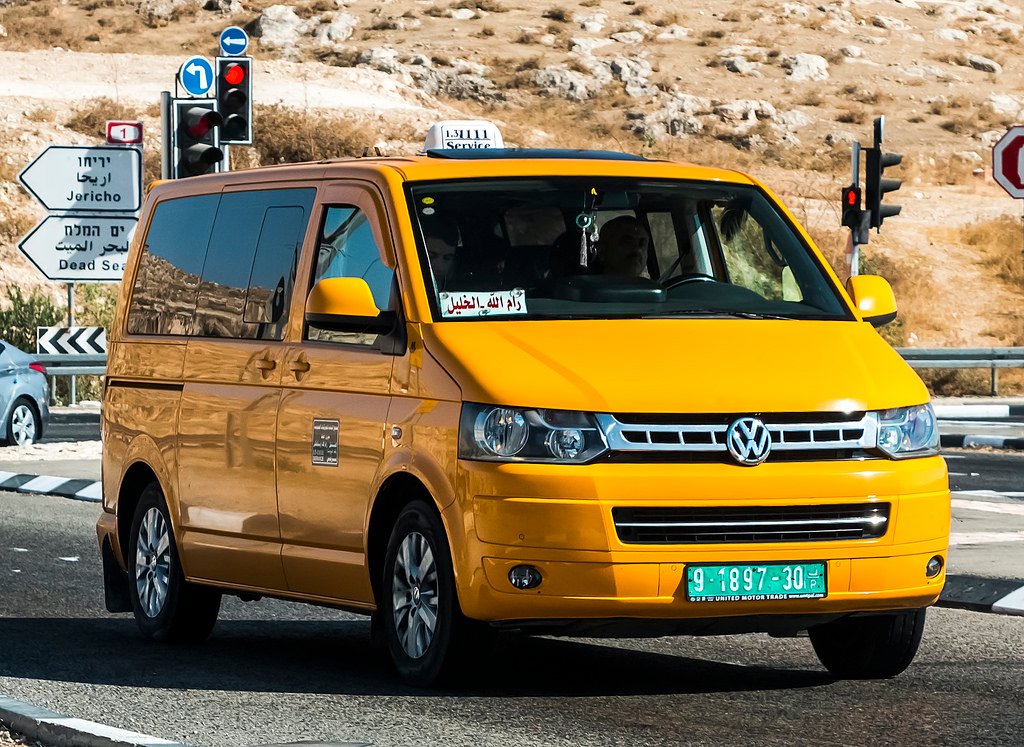
Shared Taxis (Service): The most common and affordable way to move between cities. They leave once full and follow fixed routes.
Private Taxis: Widely available in towns. For best results, agree on a fare in advance or make sure the meter is used.
Buses: Public buses connect many cities, though schedules can be irregular.
Currency & Payments
Currency: The Israeli Shekel (ILS/NIS) is used across the West Bank and Gaza.
Credit Cards: Accepted in hotels, larger shops, and restaurants. Smaller vendors prefer cash.
ATMs: Available in all major towns and cities. Therefore, it is easy to withdraw money as needed.
Currency Exchange: Exchange offices are common in city centers and near checkpoints, often offering better rates than banks.
Health & Safety Basics
Water: Tap water is safe in most urban areas, but bottled water is recommended.
Medical Care: Hospitals and clinics operate in all major towns. Pharmacies are easy to find.
Travel Insurance: Strongly recommended for all visitors.
General Safety: Violent crime is rare. Instead, the main challenges are checkpoints and delays rather than personal risk.
